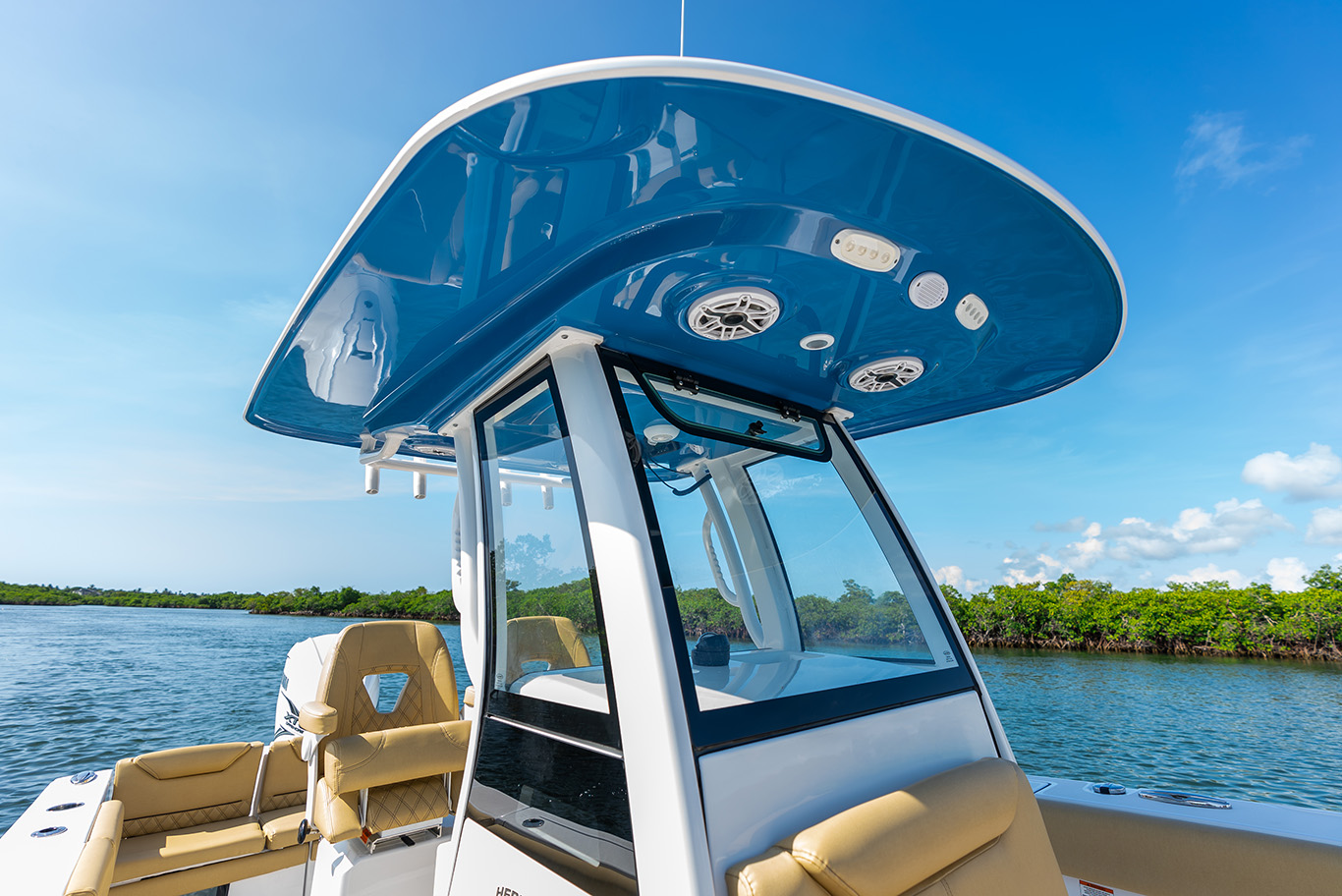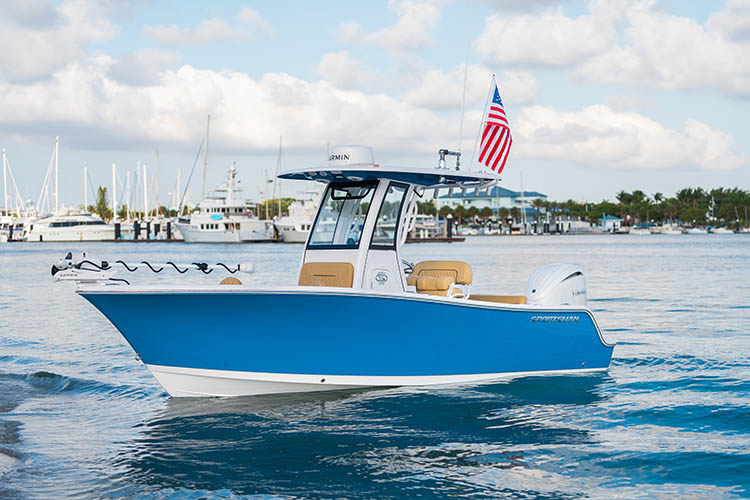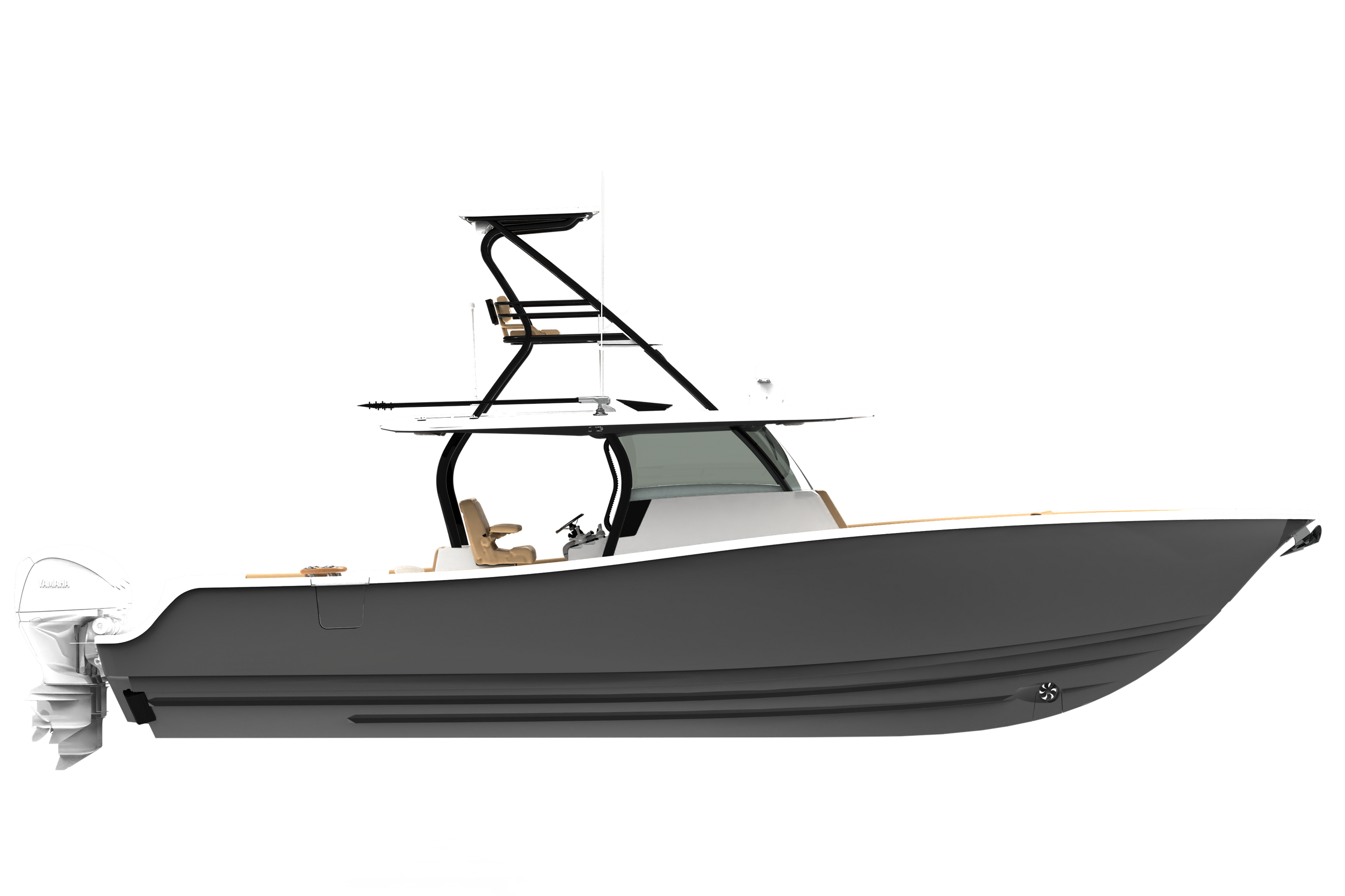
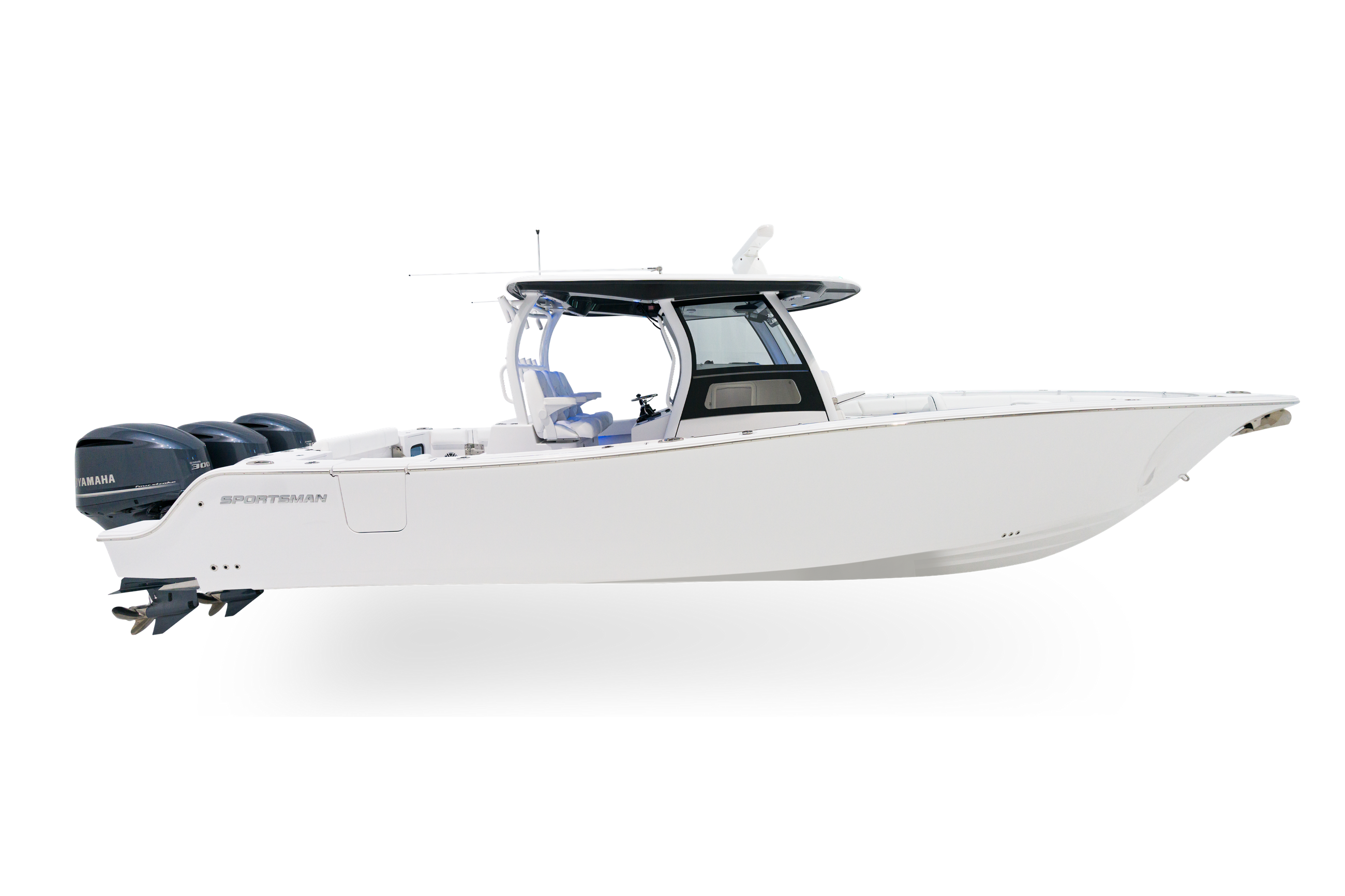
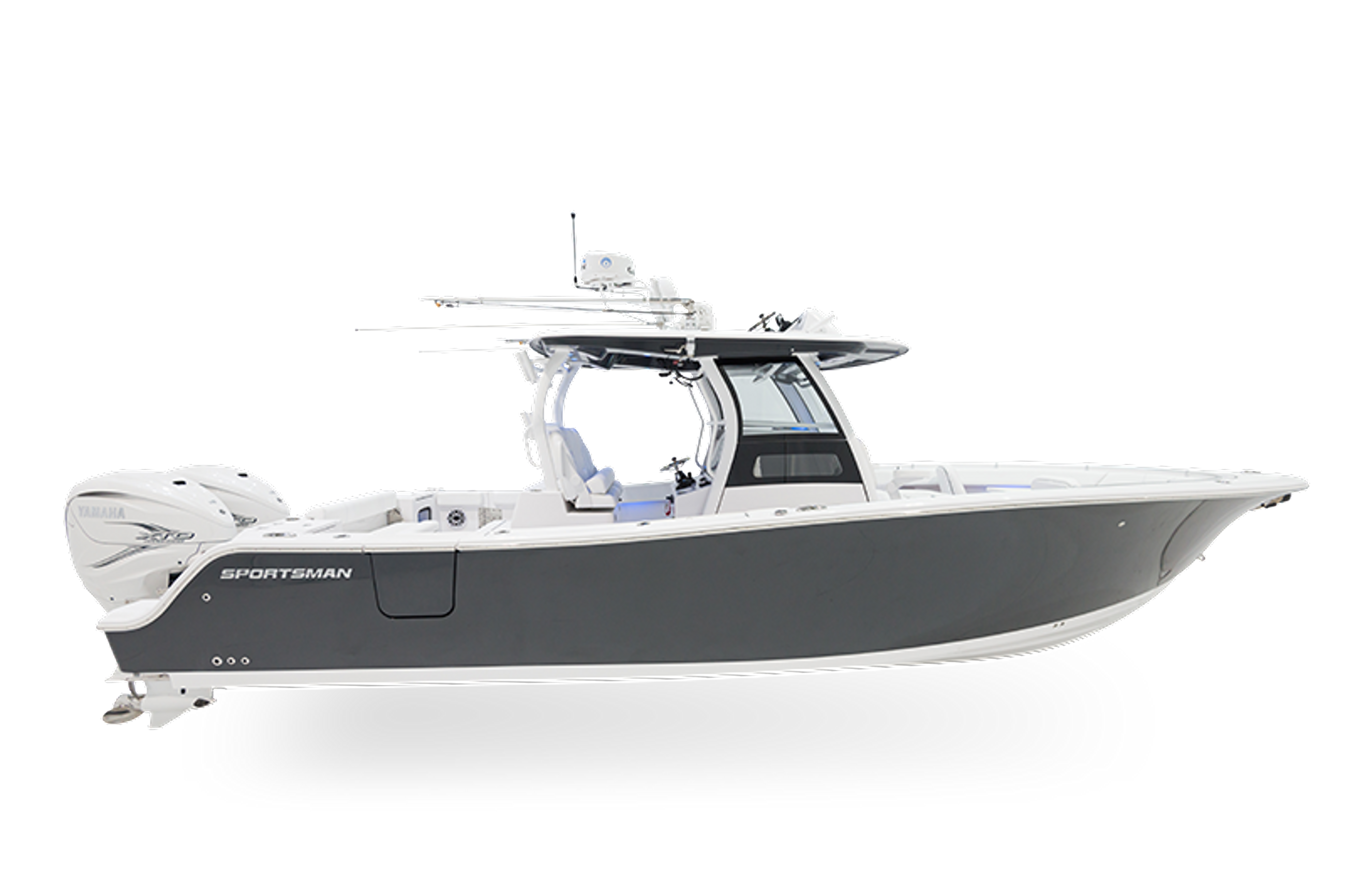
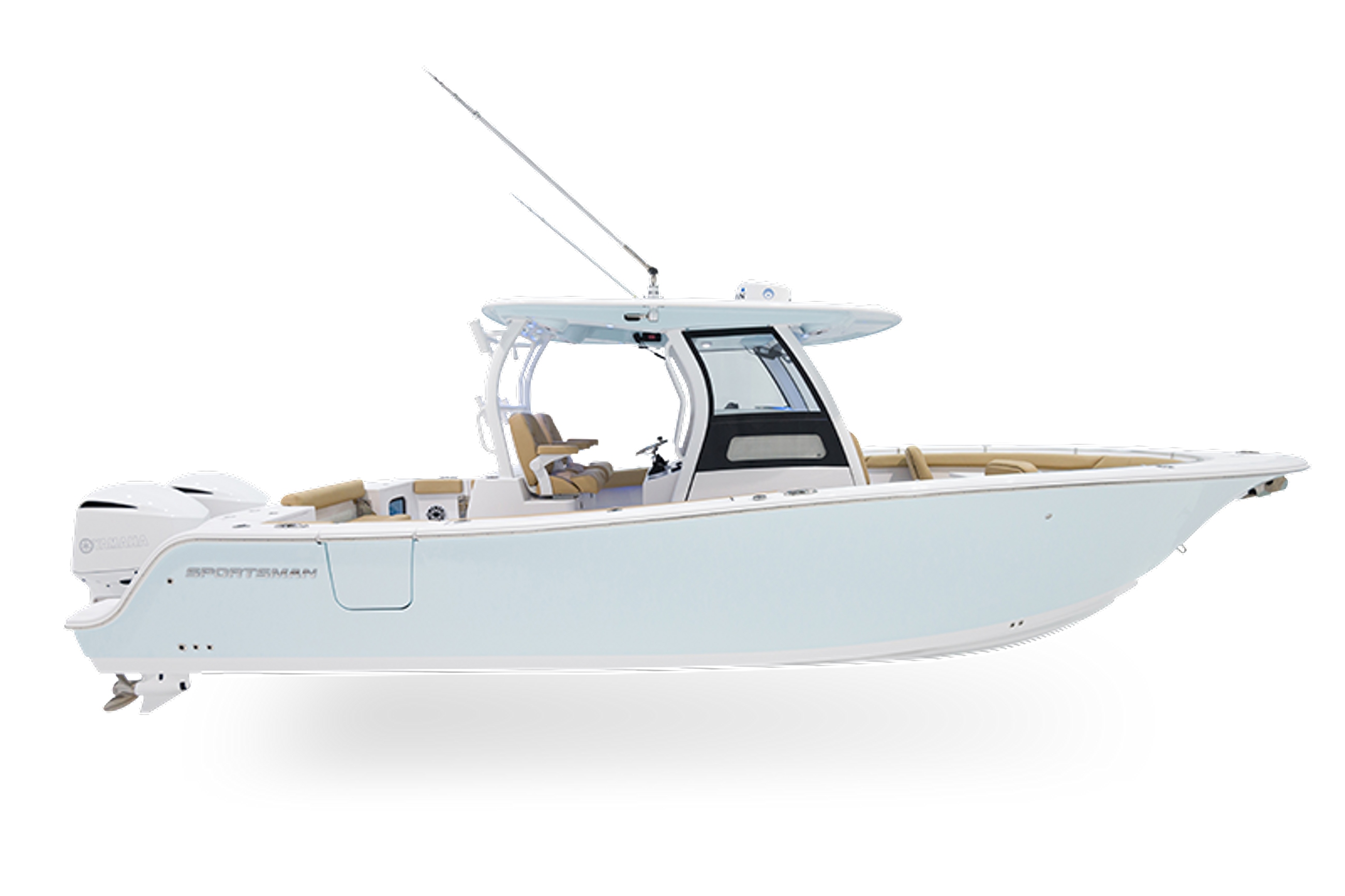
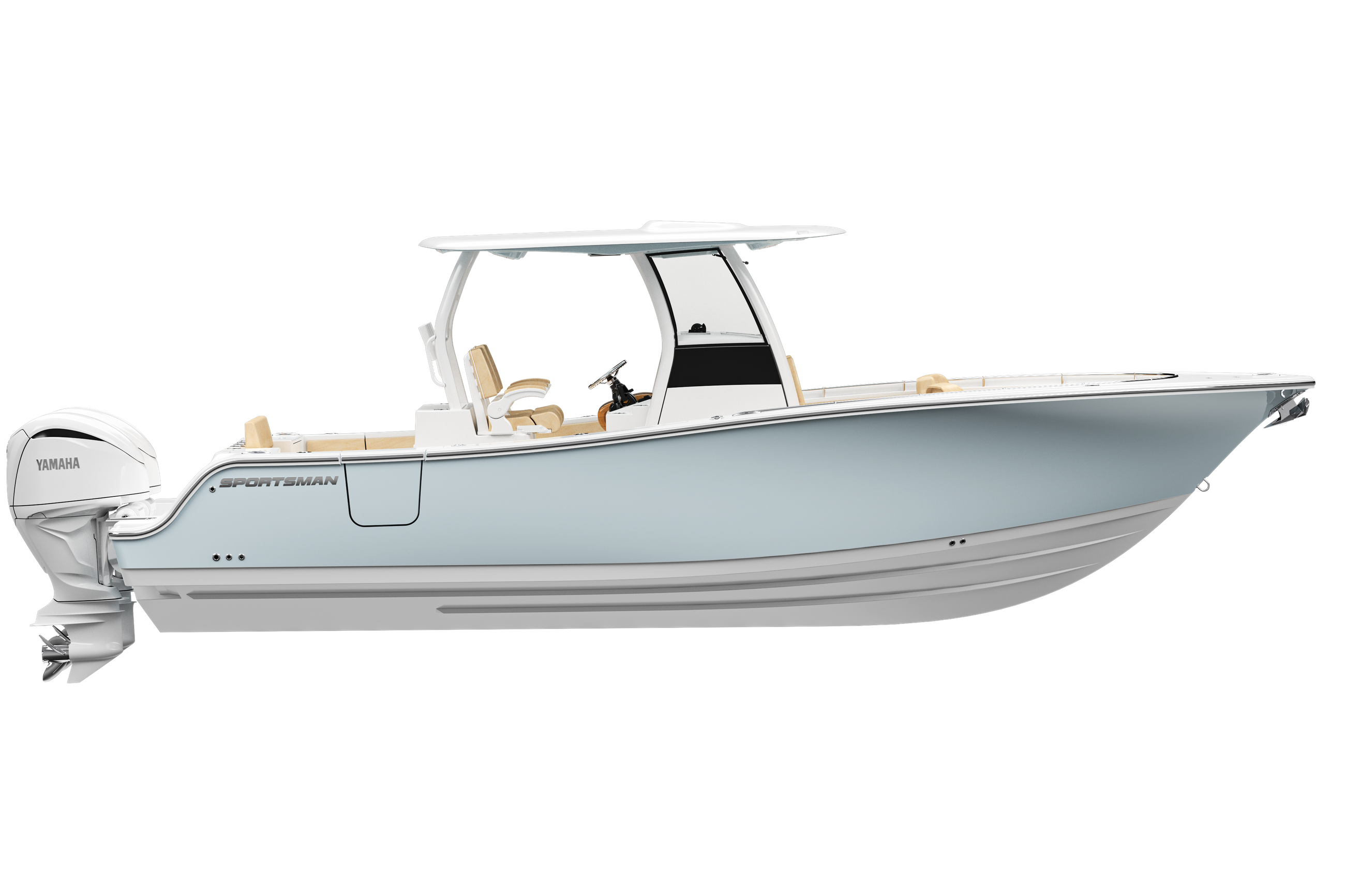
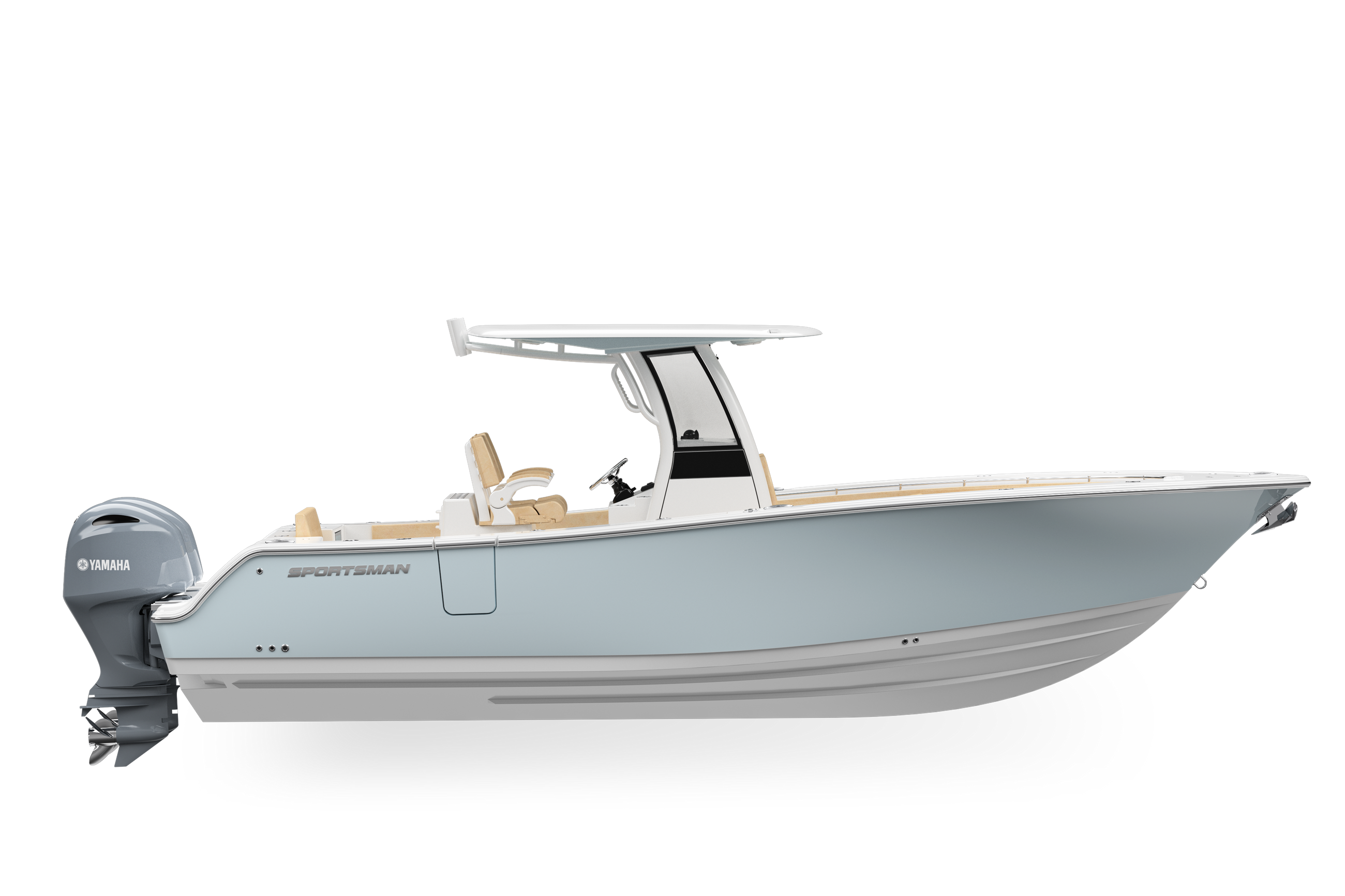
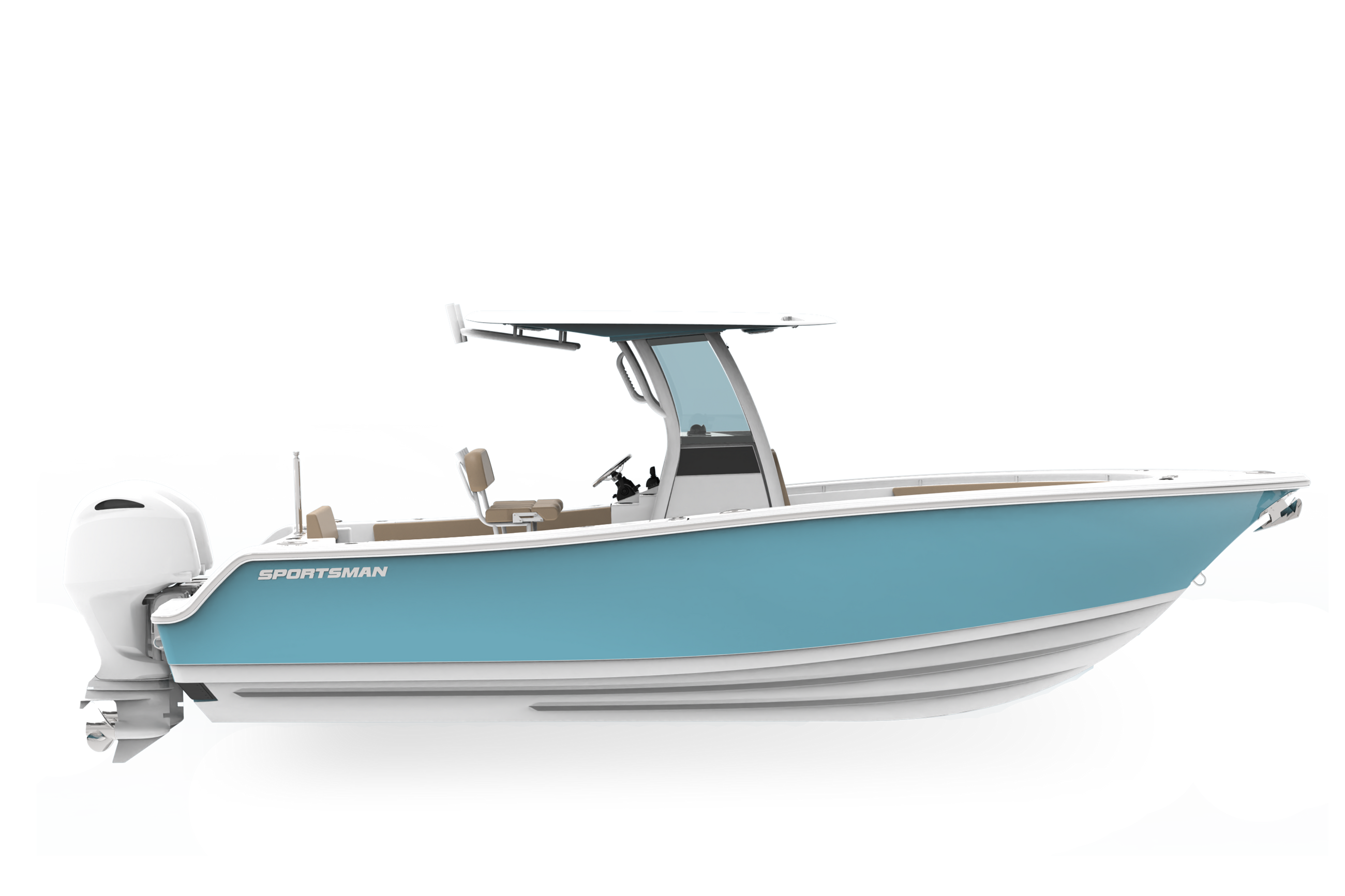
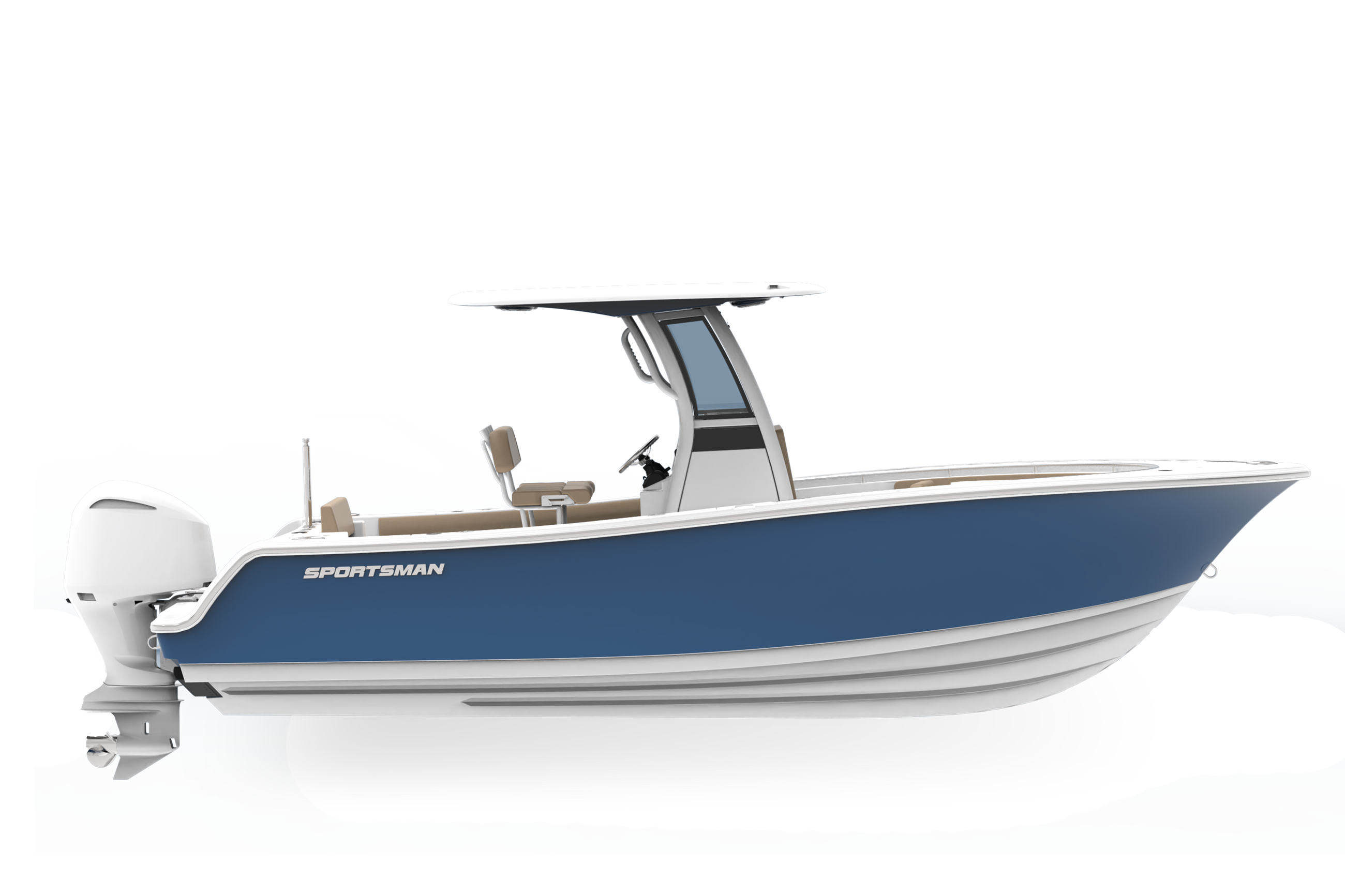
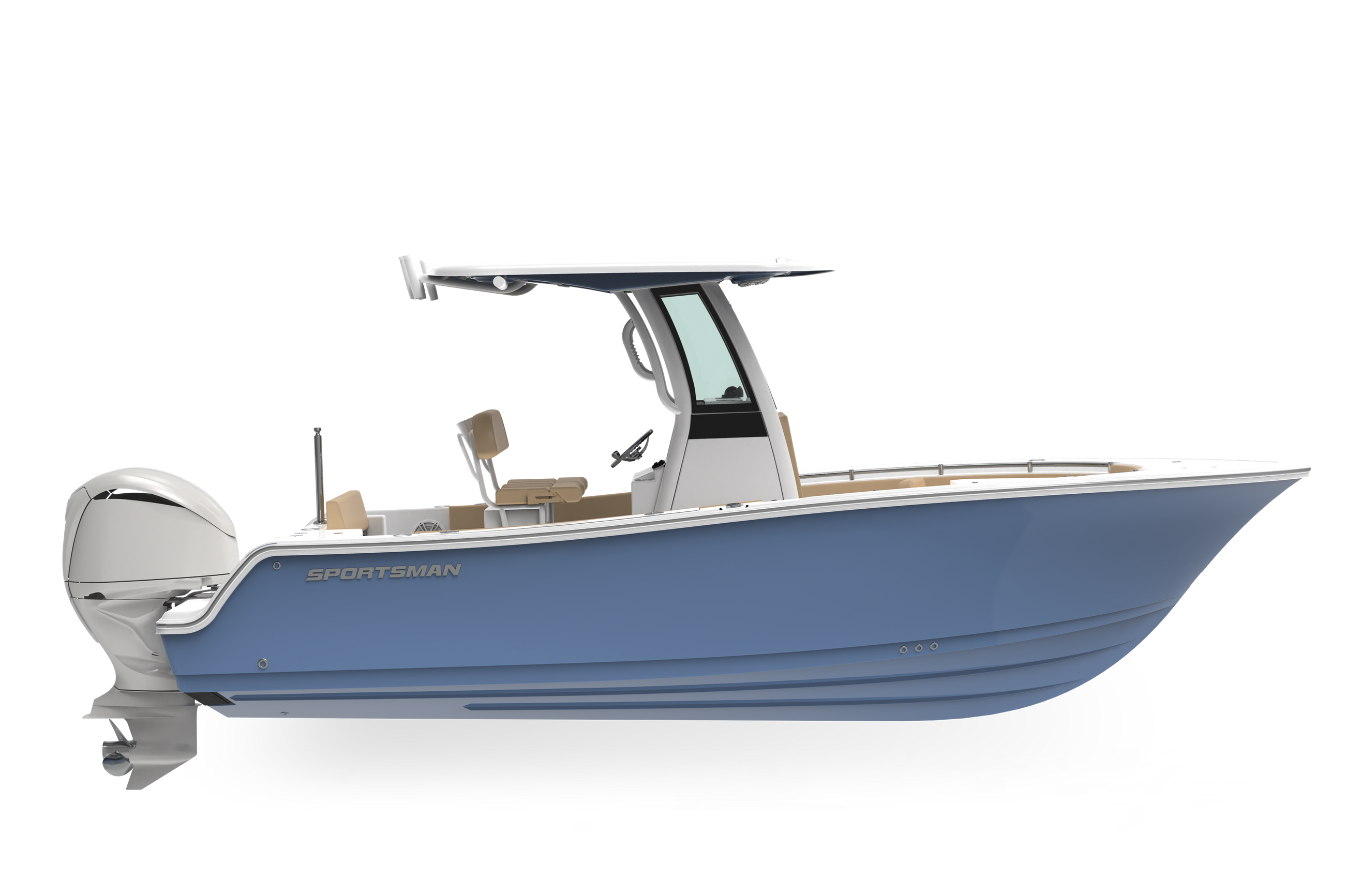
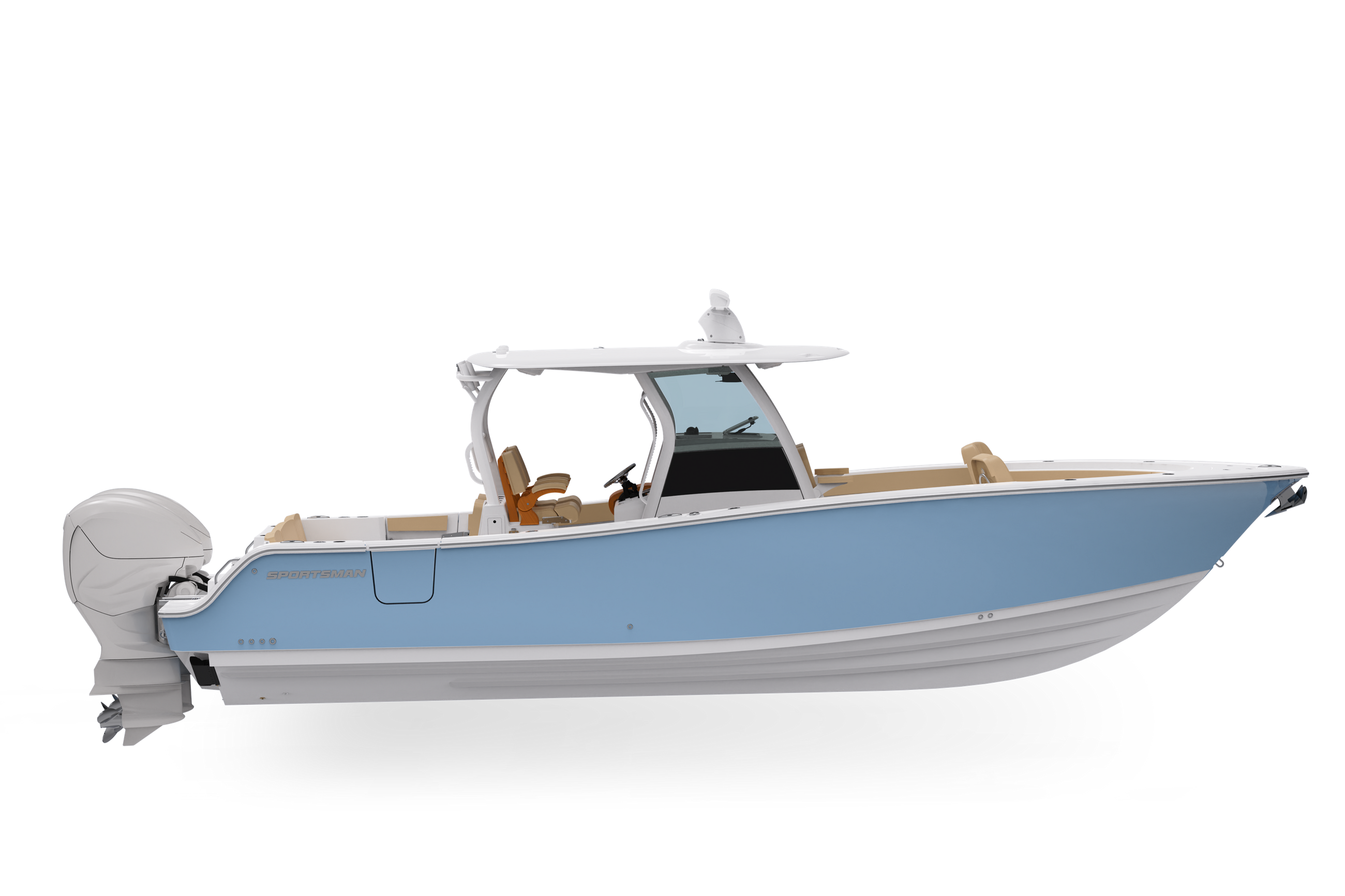
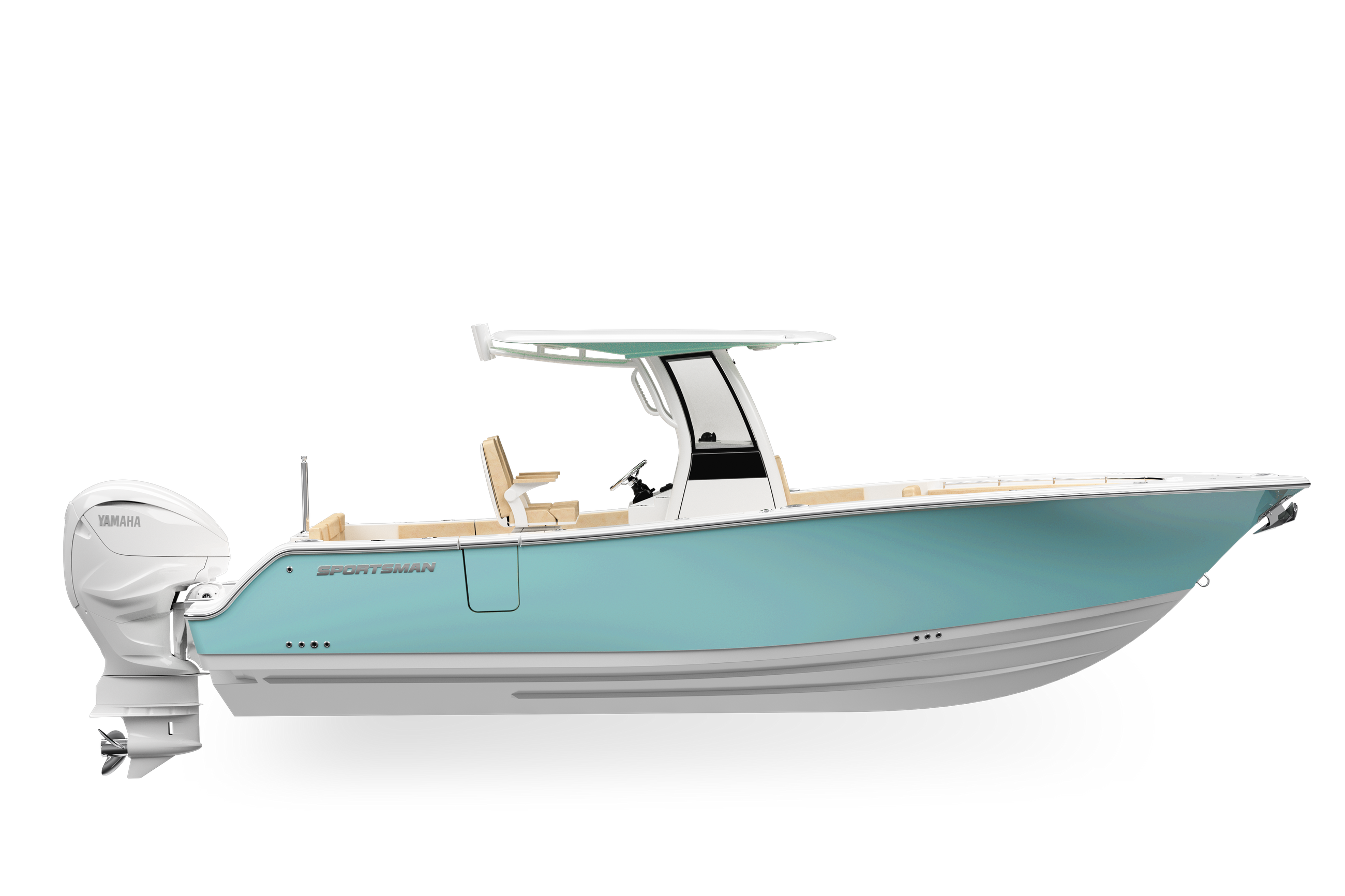
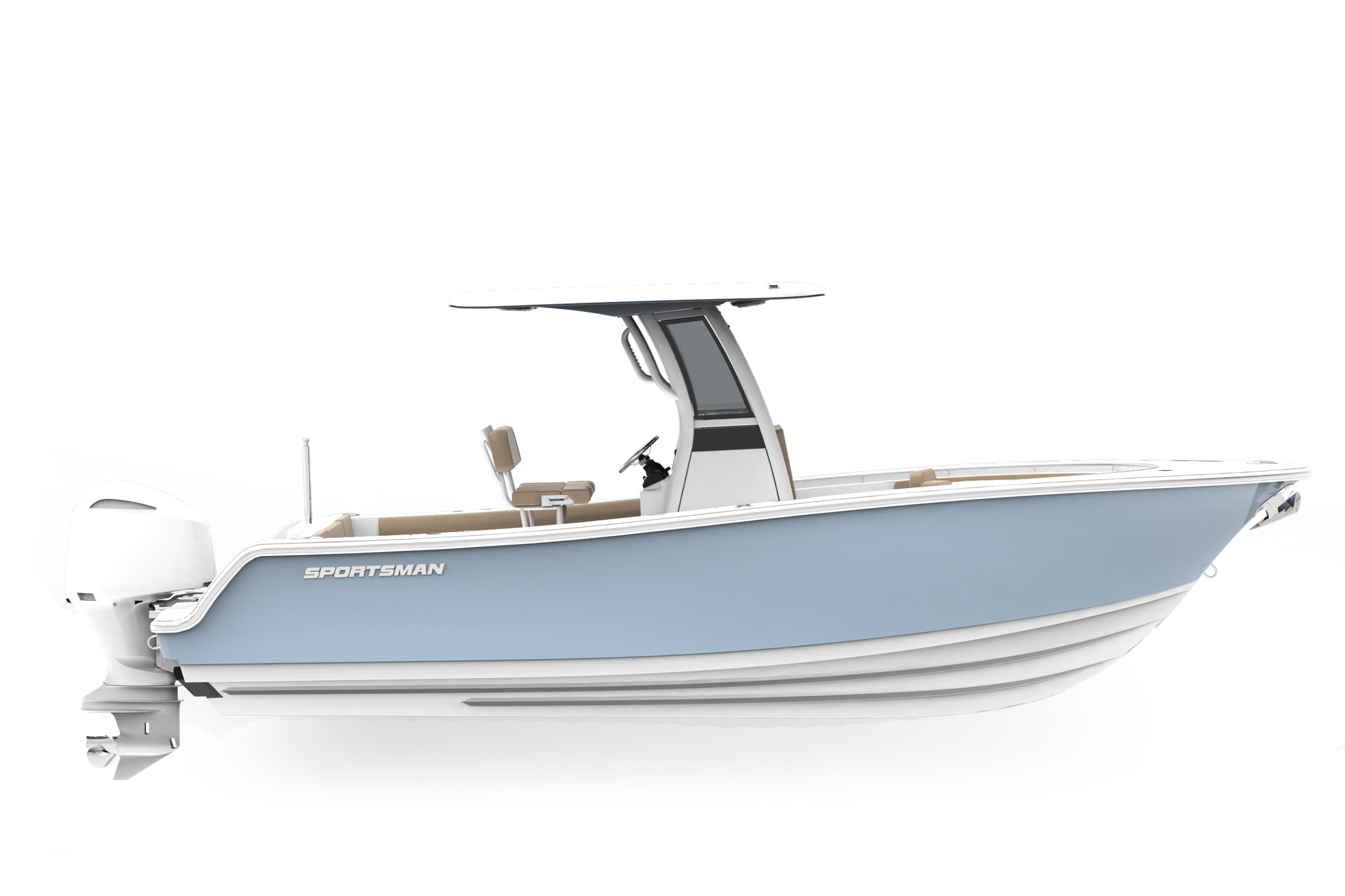
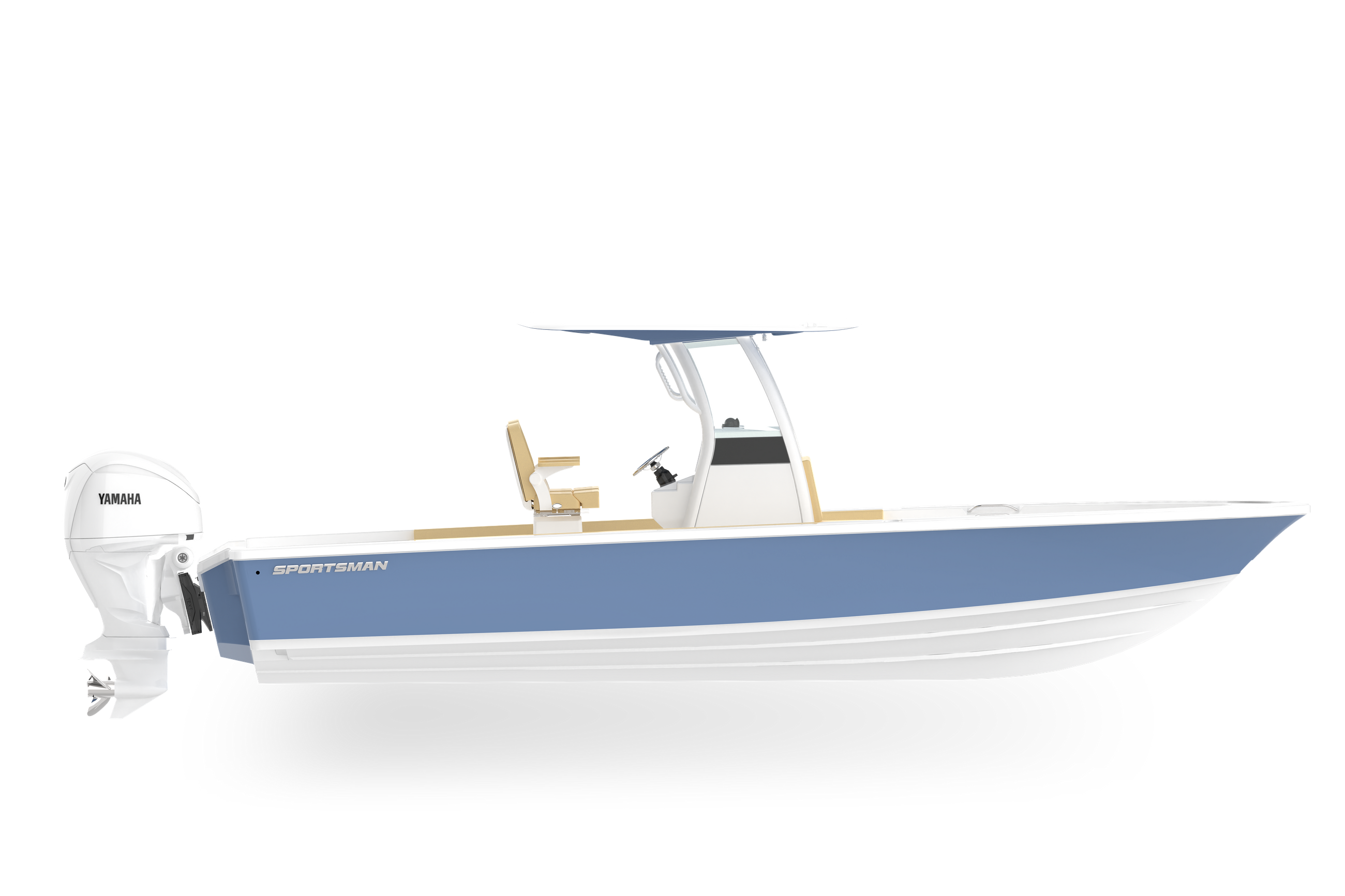
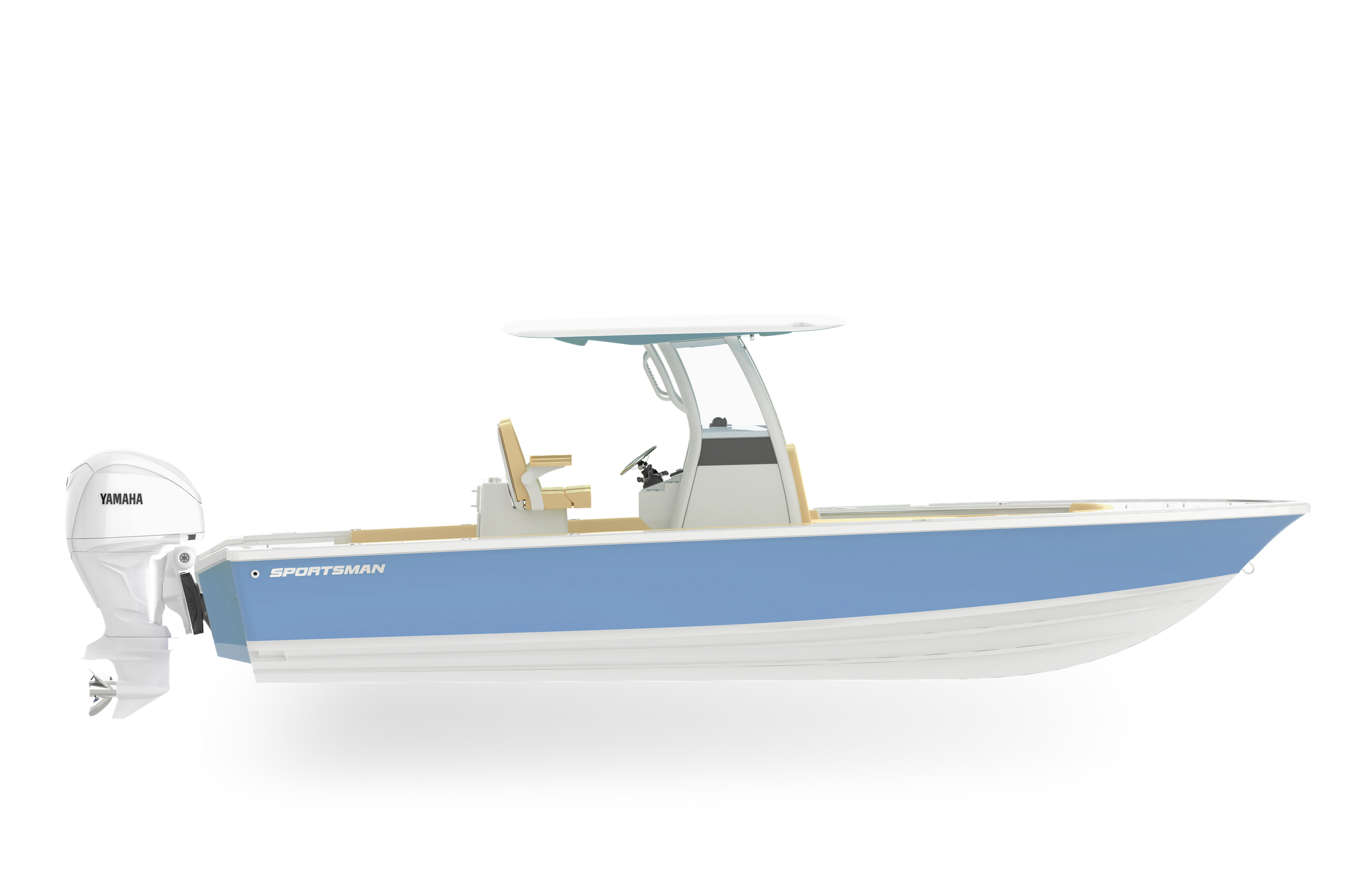
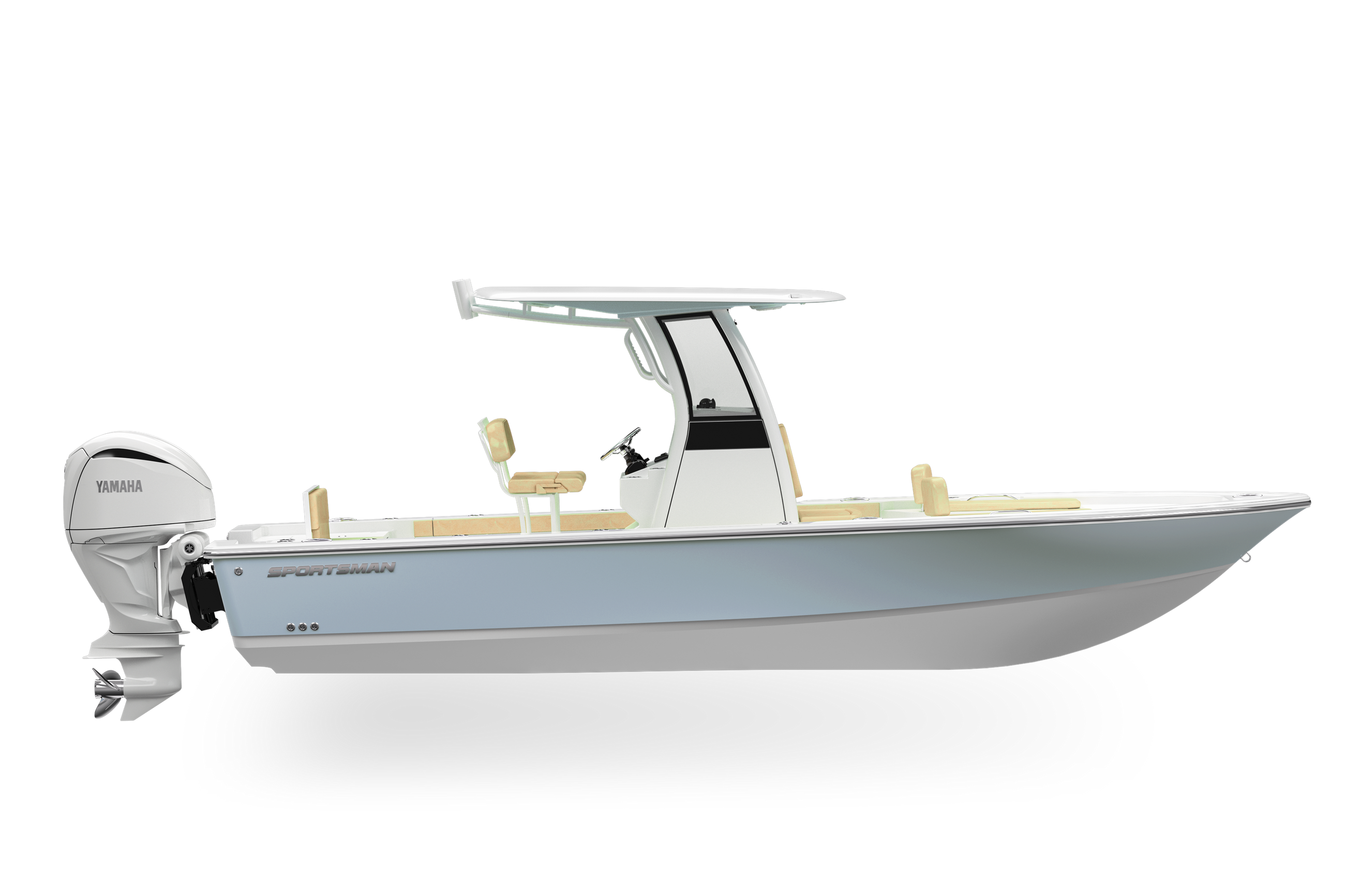
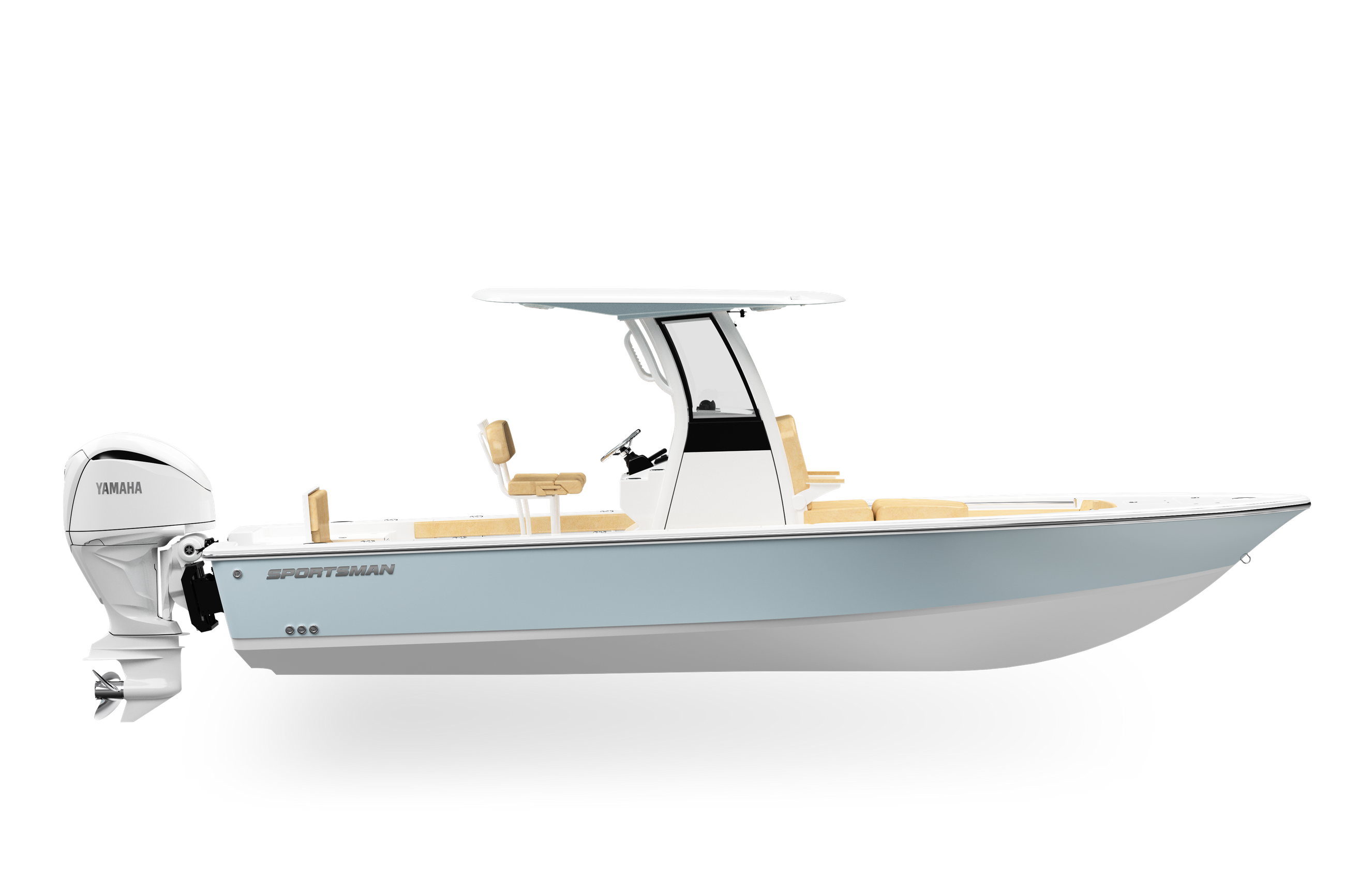
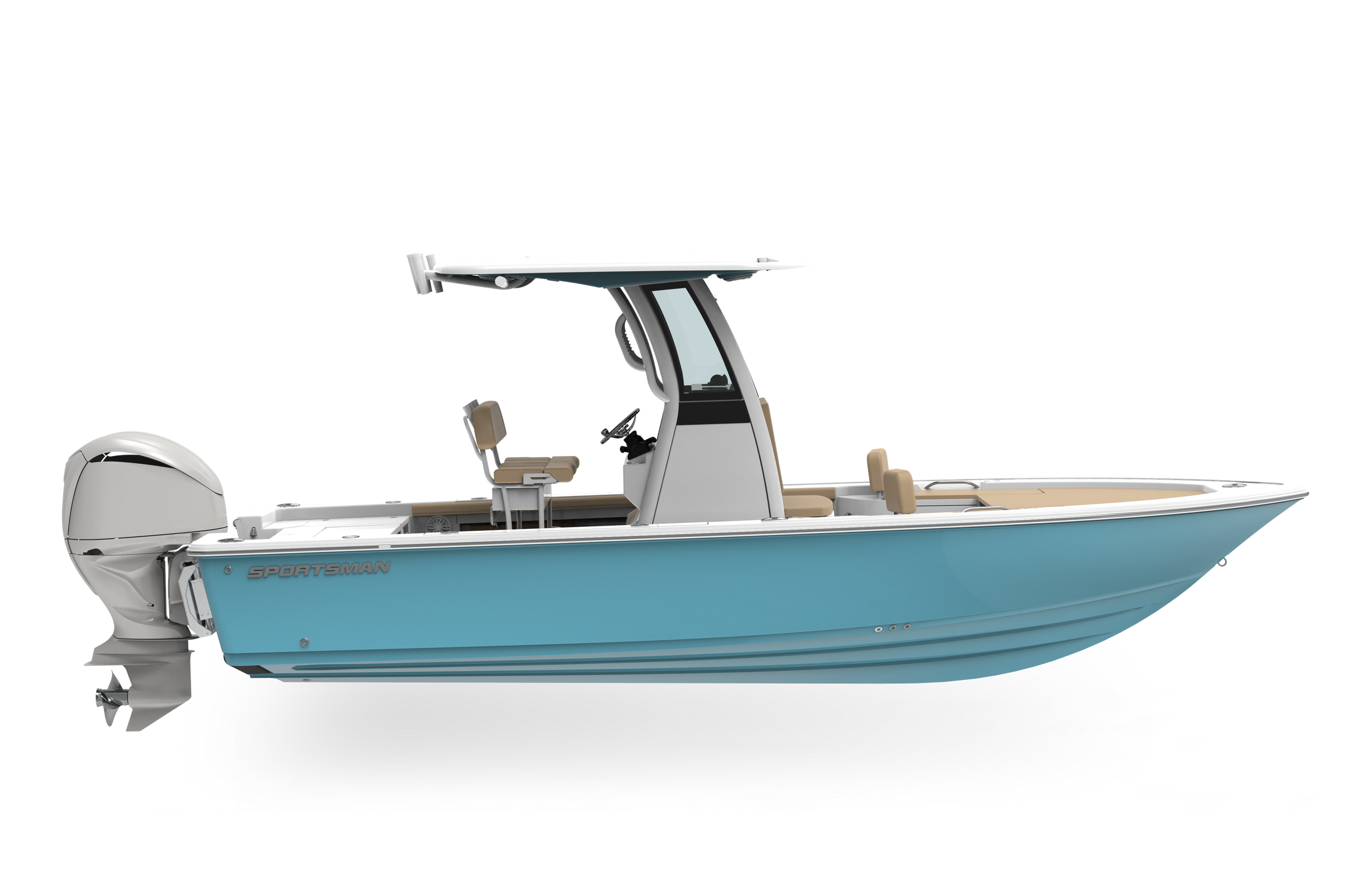
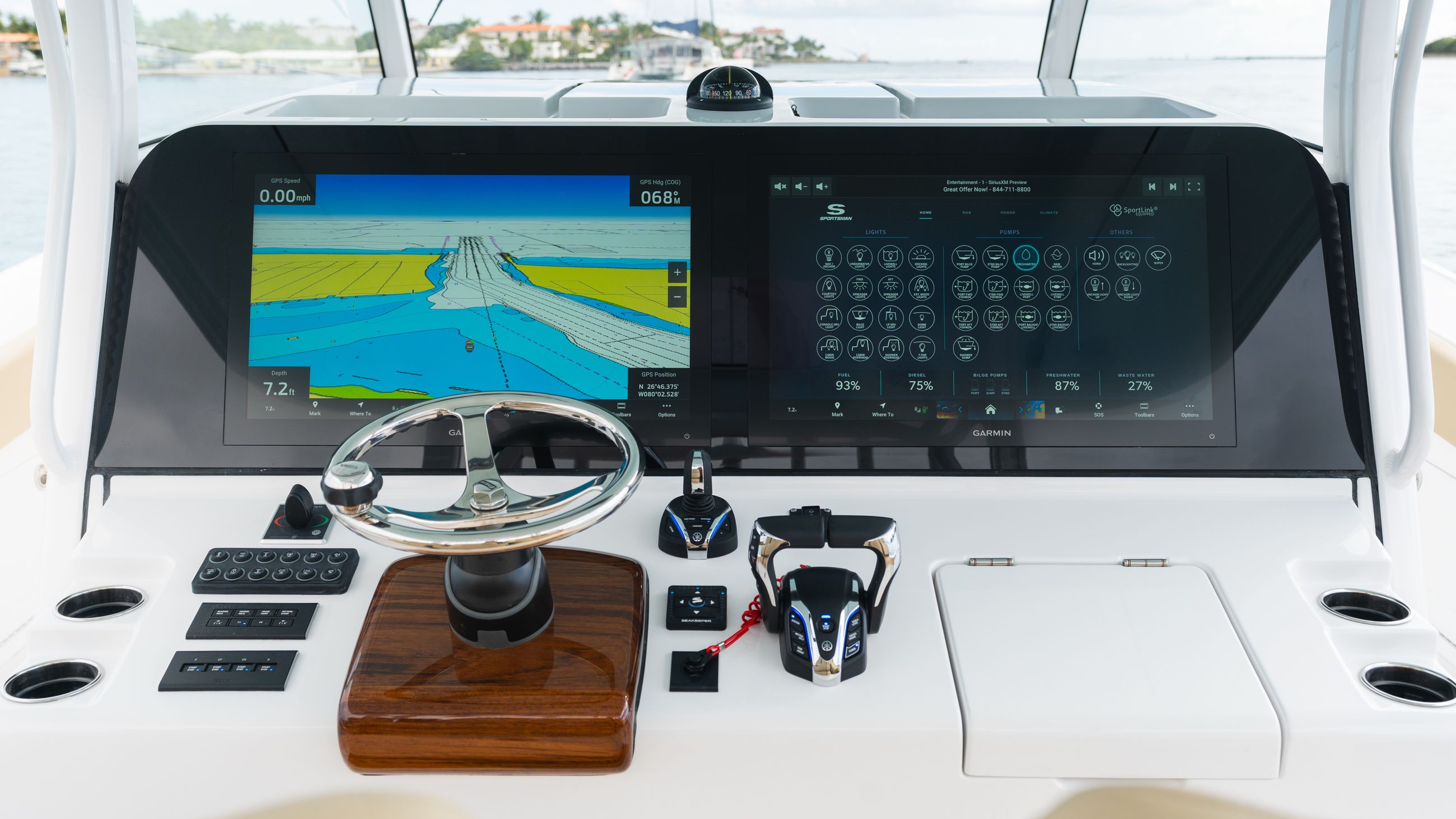
Digital switching replaces traditional boat switches with a cleaner, more reliable system integrated into your Garmin display. With built-in redundancy, physical keypad controls and improved durability, it’s a smarter way to manage your boat’s systems.

-
•Digital switching reduces failure points by removing worn, corrosion prone traditional switches that live in salt, moisture and sun
-
•Every model includes a dedicated physical keypad alongside the touchscreen so you have reliable control when your hands are wet, gloved or bait covered
-
•There is a mechanical backup and a simple failover path: if the screen goes down you can move a fuse to constant power to run key systems without screens
I get it. You've been boating for years. You know exactly where every toggle switch is on your dash. Eyes closed, hand outstretched, you can flip your nav lights on without even thinking about it. That muscle memory is real, and it's earned.
So when you step aboard a new Sportsman and look at the helm and there’s... nothing there. No rows of rocker switches, no labeled toggles. I understand the first reaction. It’s not excitement. It’s suspicion.
I’ve had that conversation at boat shows more times than I can count, from the Wharf in Orange Beach to the Florida Keys and even at a convention center in Texas. The question is always some version of the same thing: “What happens when that screen goes out and I’m 20 miles offshore?”
It’s a fair question. And honestly, it deserves a real answer, not a sales pitch.
Here’s the thing. This isn’t the first time we’ve seen this kind of shift.
Think back to when cars started replacing buttons with touchscreens. People hated it. They didn’t trust it. They thought it was unnecessary. Now, it’s second nature. Your phone connects automatically, your settings are saved, and the system improves over time.
Digital switching on boats is following that same path.
When we introduced digital switching into our larger models, we didn’t just remove switches to be different. We did it because it solves real problems.
A clean dash isn’t just about looks. It reduces failure points. Traditional switches live in a harsh environment. Salt, moisture and sun break them down over time. Corrosion sets in, contacts wear out, labels fade. It’s not a matter of if, it’s when.
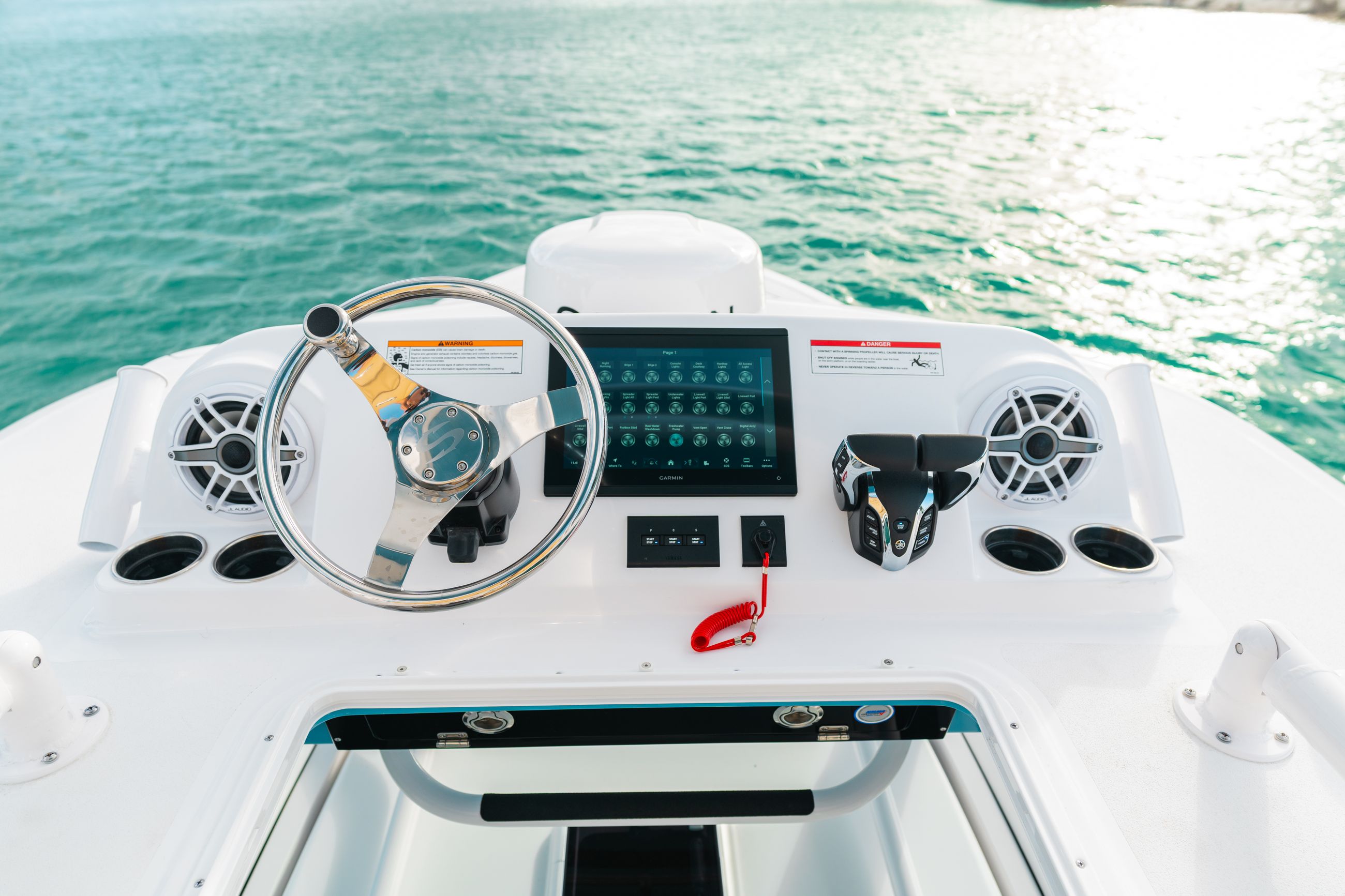
Digital switching removes that wear point entirely.
At the same time, we understood that not everyone wants to rely solely on a screen. That’s why every model now includes a dedicated physical keypad at the helm for your most-used functions. It works alongside the touchscreen, giving you the best of both worlds. If your hands are wet, gloved or covered in bait, you still have a simple, reliable way to control key systems.
And then there’s the biggest concern.
What happens if the screen goes out?
This is where the system really matters.
Behind the total access doors in the console, there’s a DCM switching panel. If your Garmin display ever goes down, you’re not stuck. You can manually move a fuse to constant power and run that system directly. No screens, no menus, no guesswork. It’s a simple, mechanical backup built into the boat from day one.
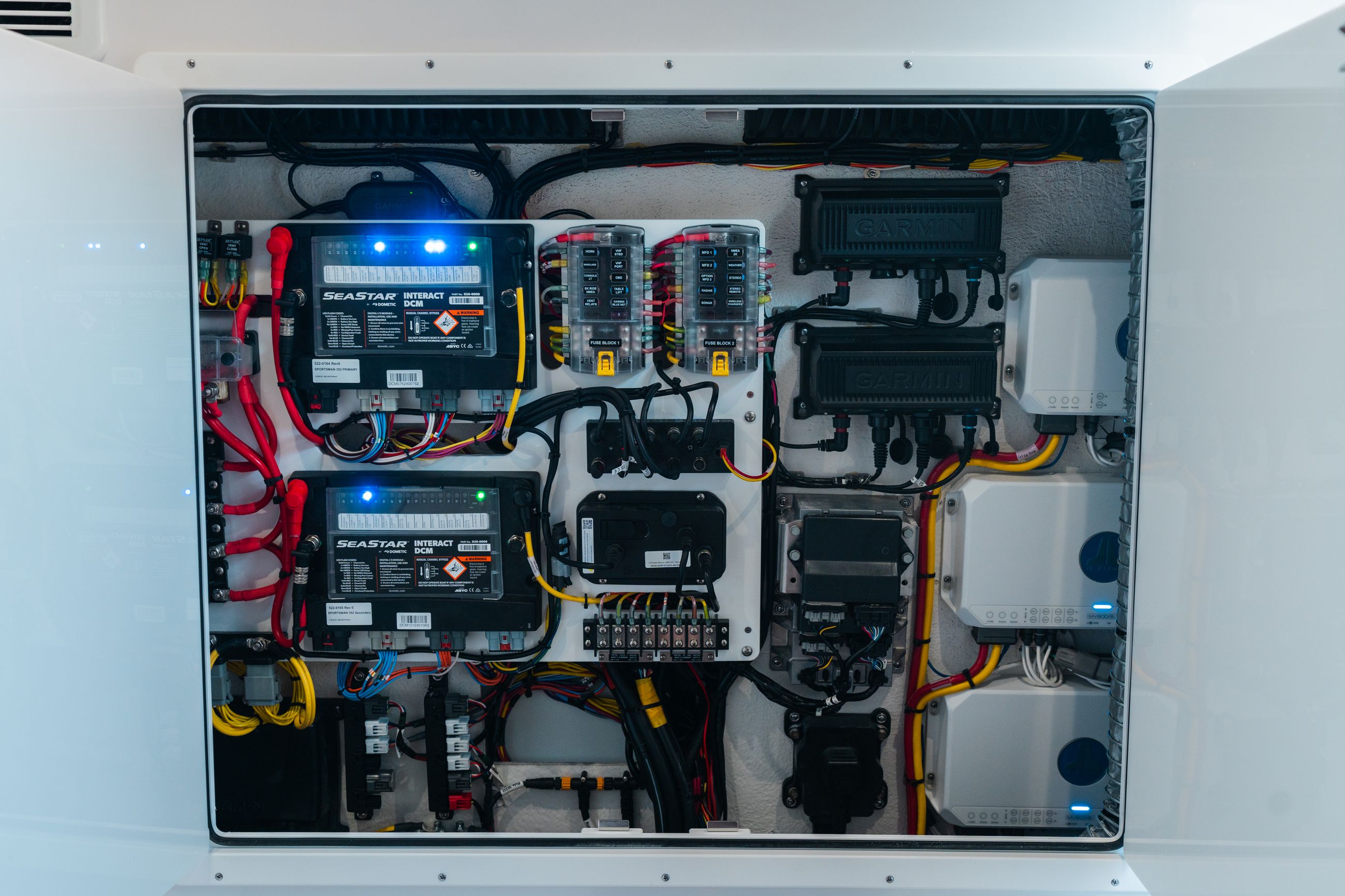
That level of redundancy is intentional.
The system is also designed to be easy to use. The interface is customizable, so you can keep your most-used functions one tap away. For 2026, the entire layout has been refined with larger controls and a cleaner design, making it even easier to navigate while underway.
The reality is, once you spend time with it, the hesitation starts to fade.
You stop thinking about where switches are. You stop dealing with worn-out buttons. Everything is organized, consistent and easy to access. It becomes less about learning something new and more about realizing how much simpler it is.
Every major shift in technology goes through this phase. There’s always a moment where it feels unfamiliar, where people question it, where they’re not sure it’s better.
Then time passes, and it becomes the standard.
Digital switching is right there.
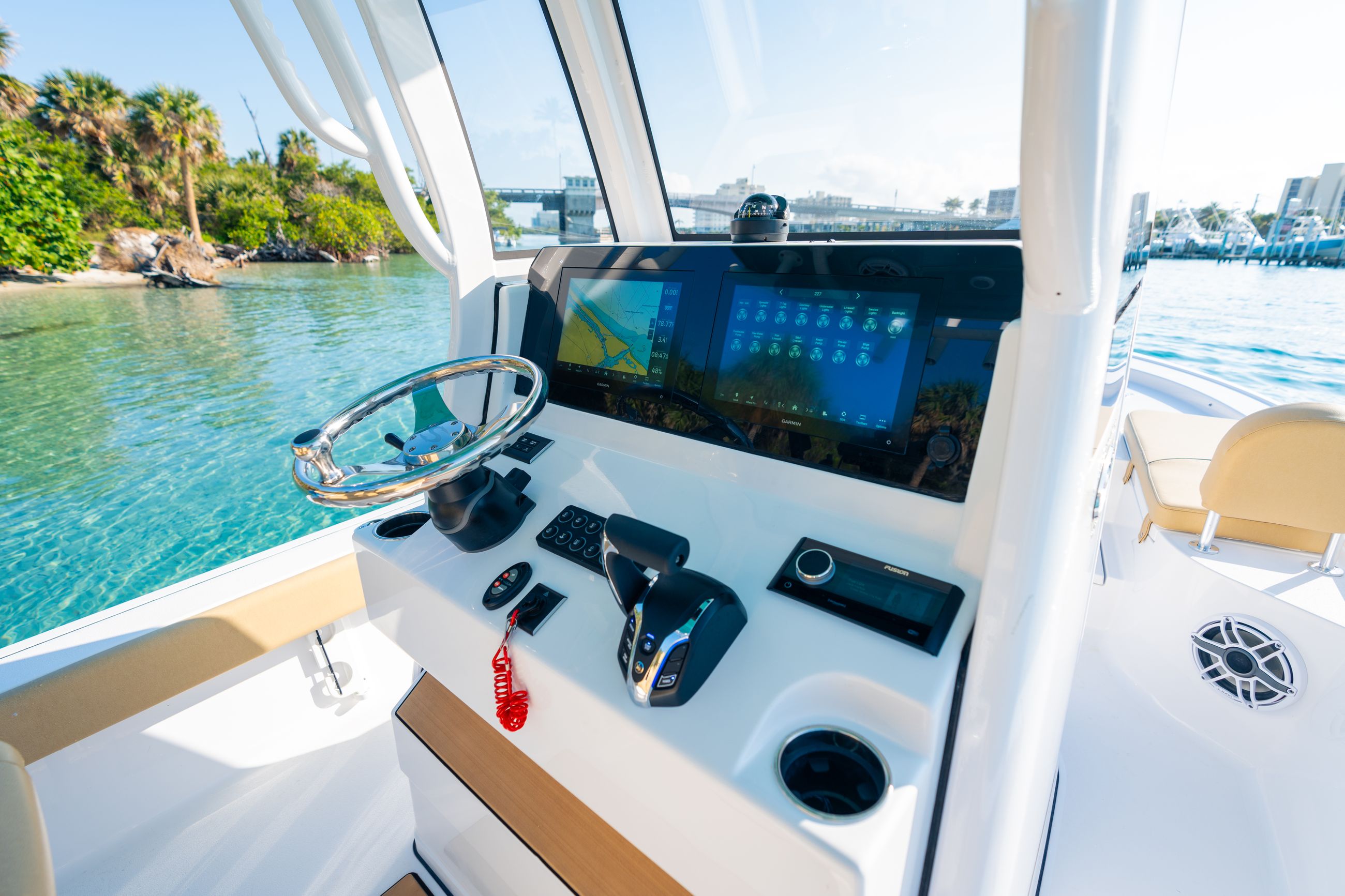
We’re not asking you to take a leap on something untested. We’re giving you a system that’s been thought through, backed up and refined based on real feedback from people who use their boats every day.
If you’re unsure, the best thing you can do is try it.
Sit at the helm. Customize your screen. Use the keypad. Open the console and see how the backup works.
You’ll realize pretty quickly, there’s nothing to fear.
Related Posts
Overnight boating offers a serene escape, letting you enjoy the tranquility of the water under a starry sky. This guide provides best practi...
Read More