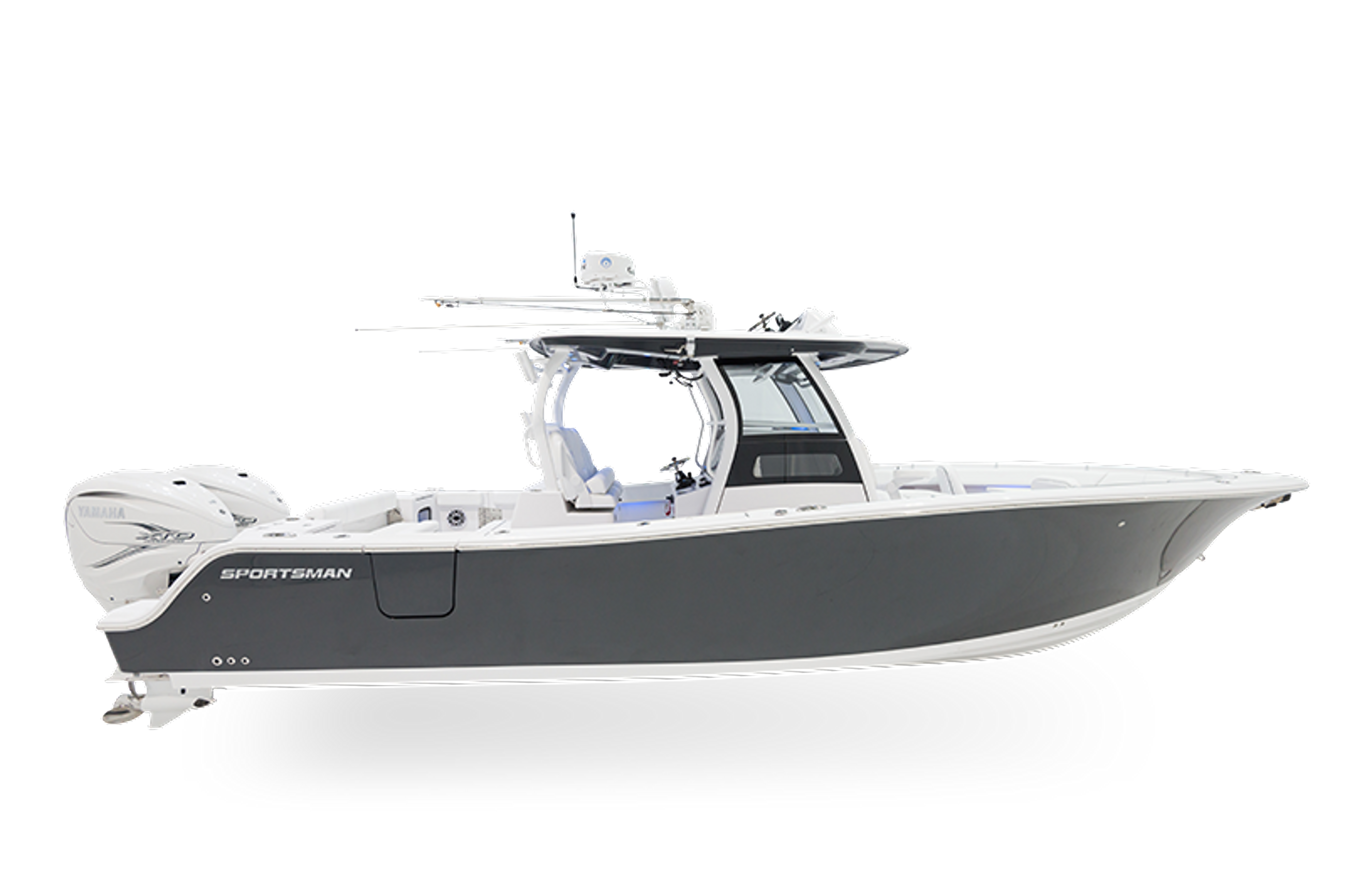
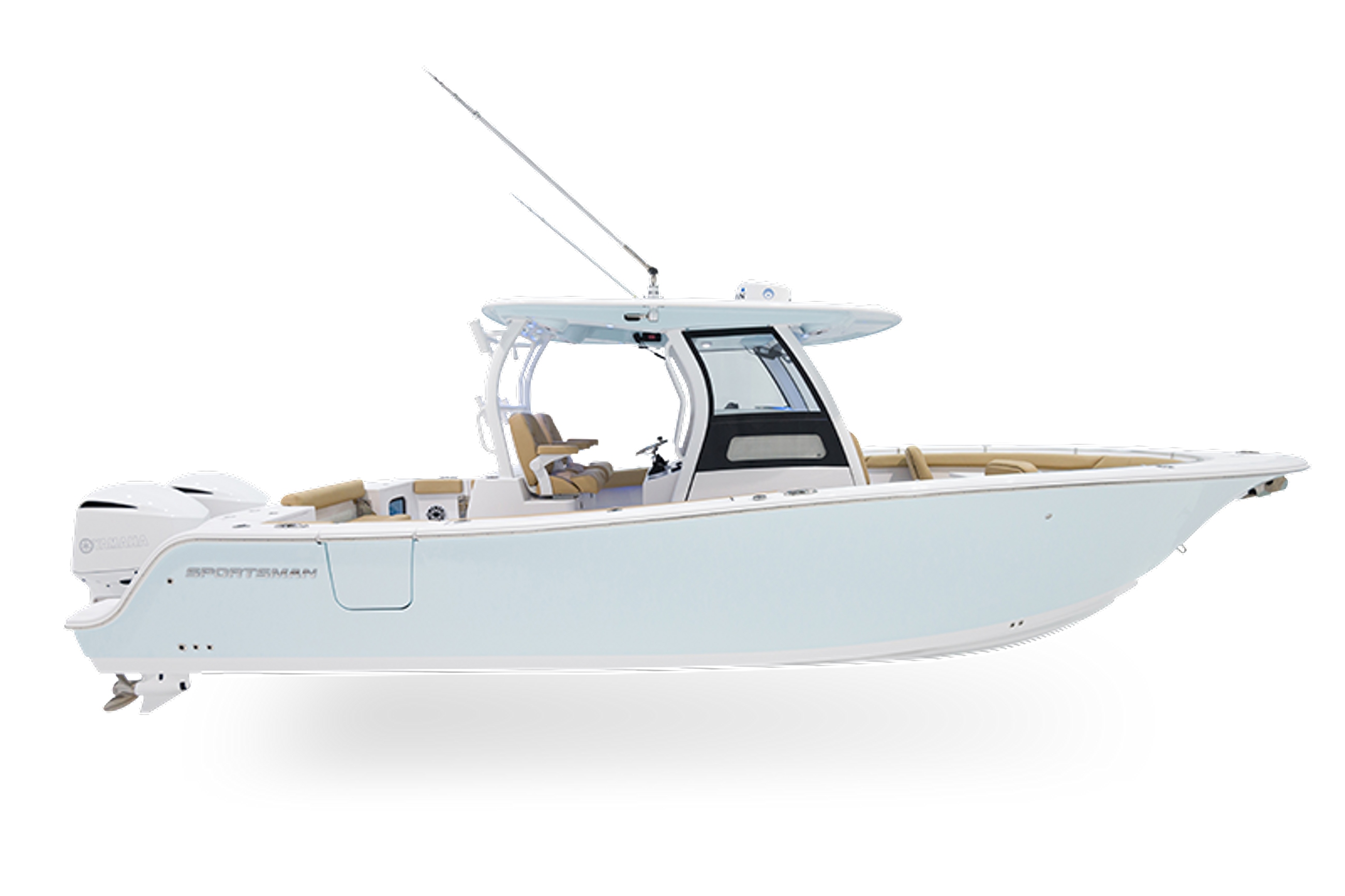
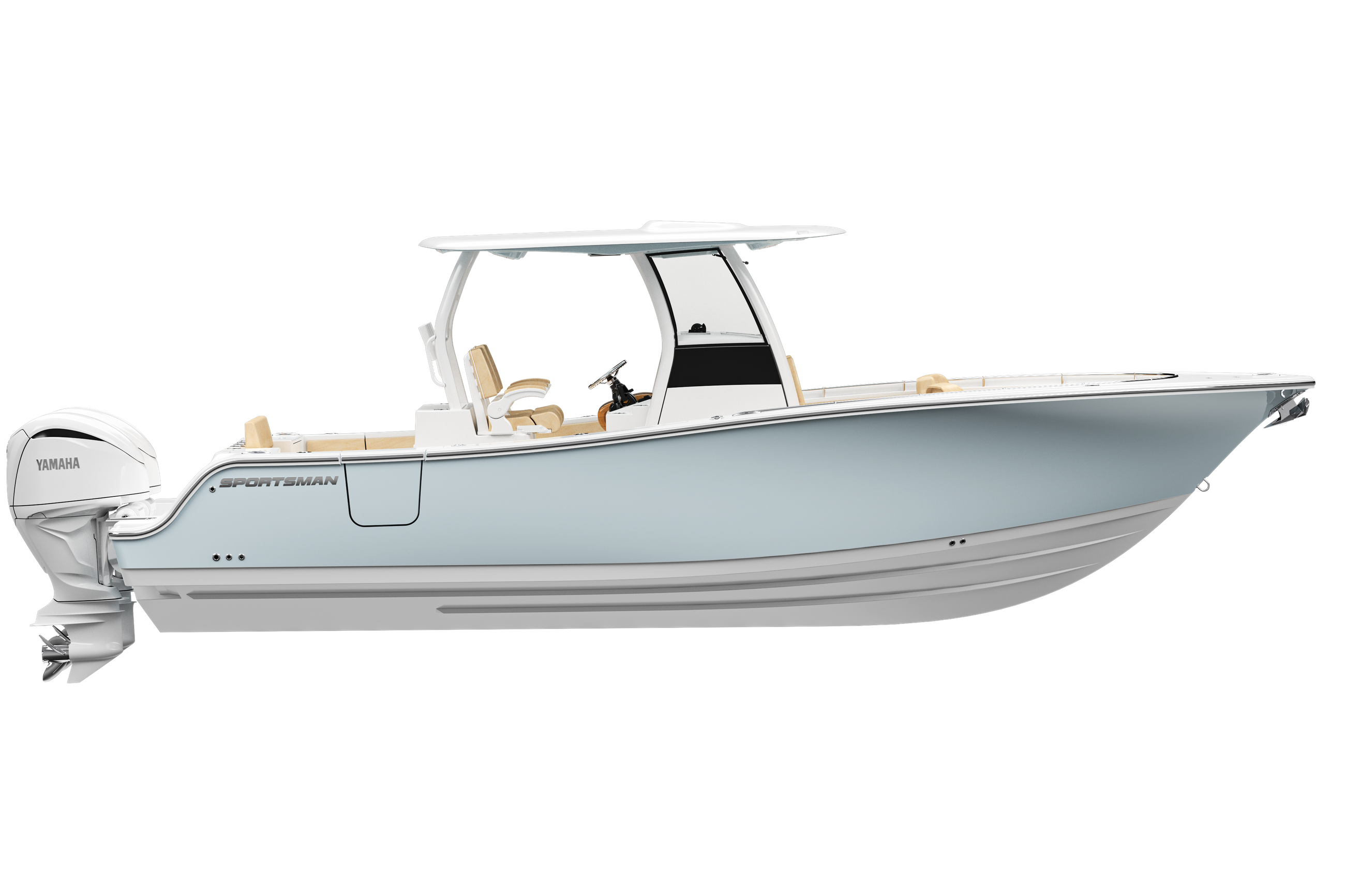
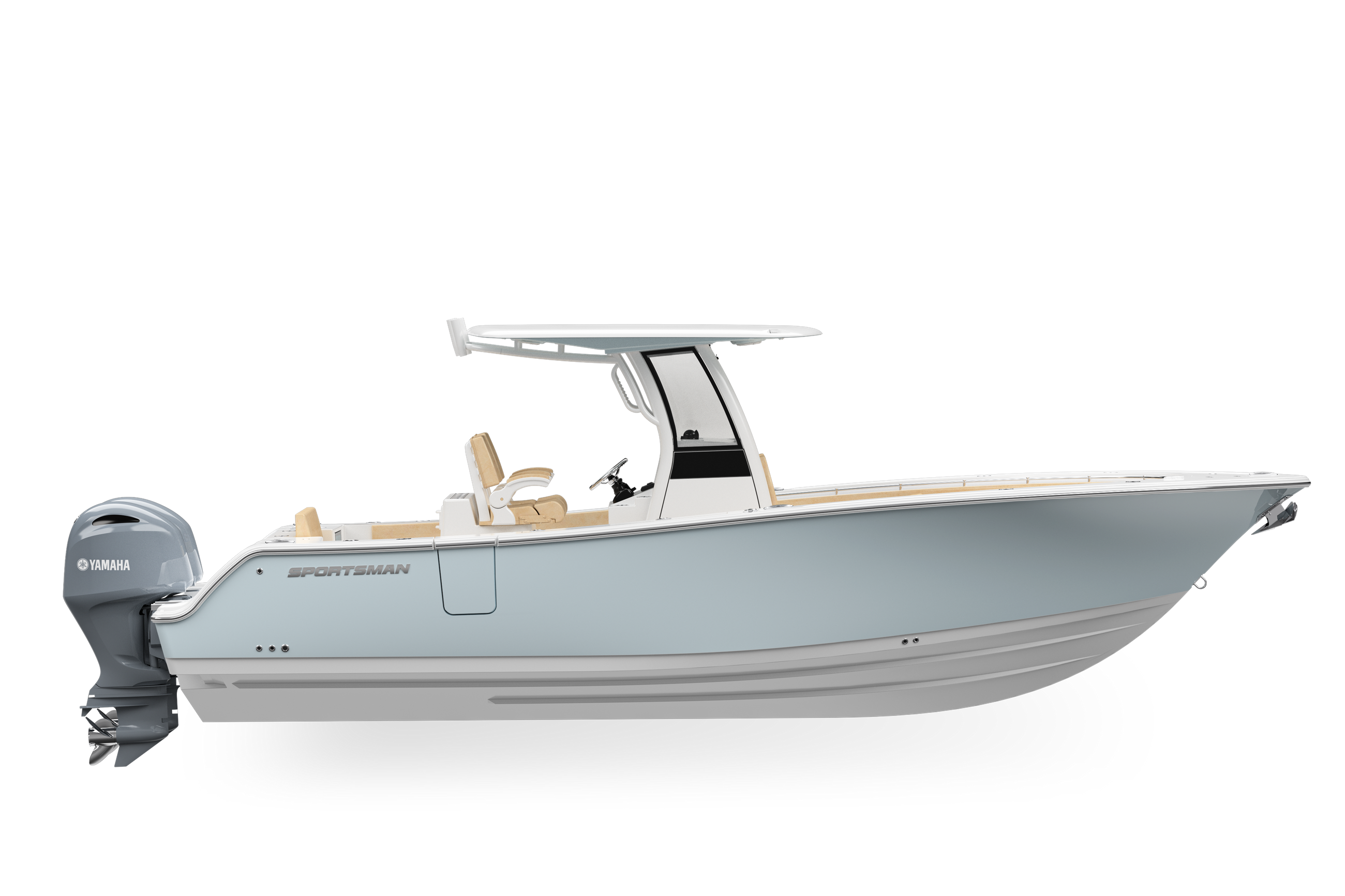
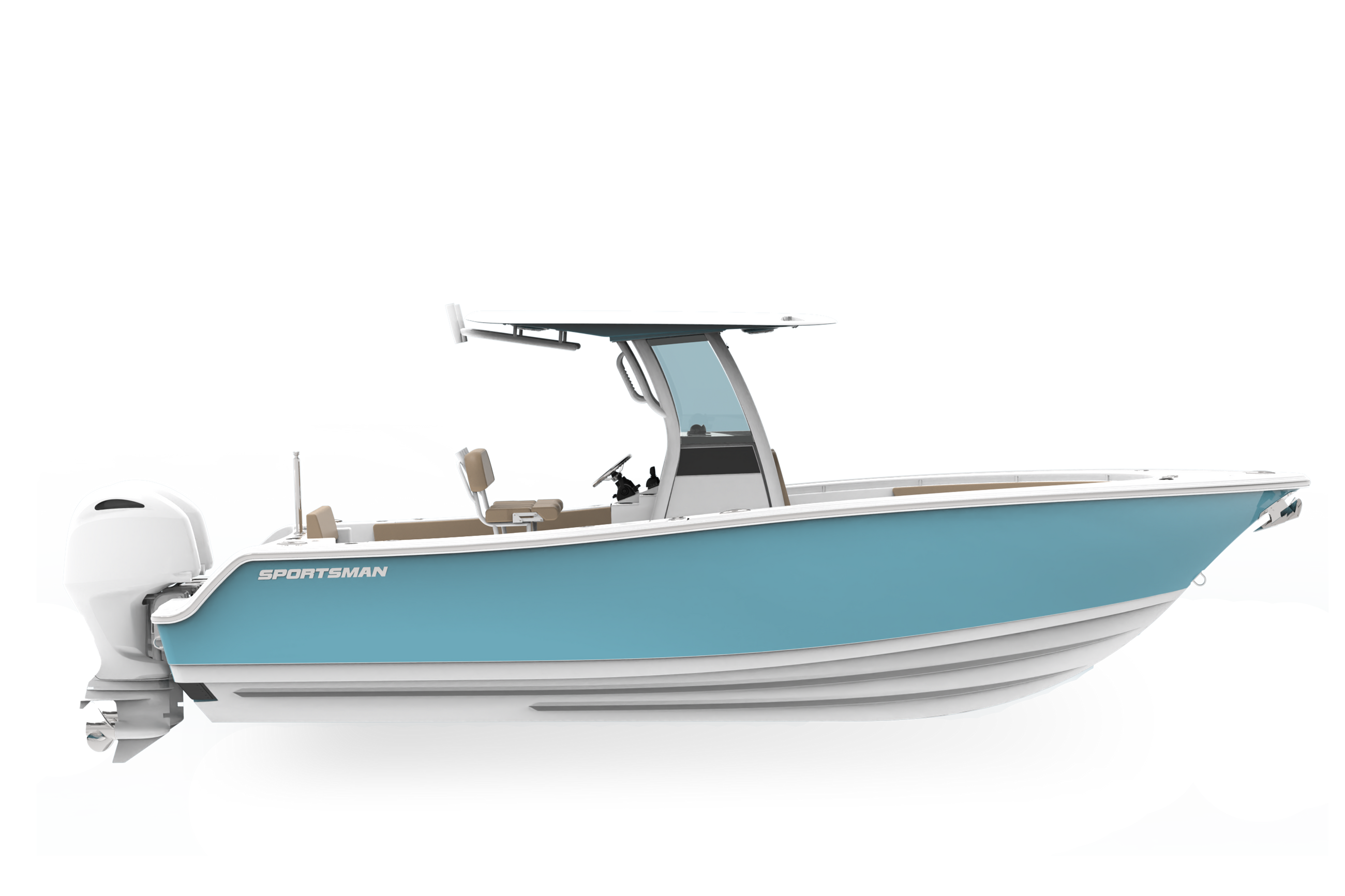
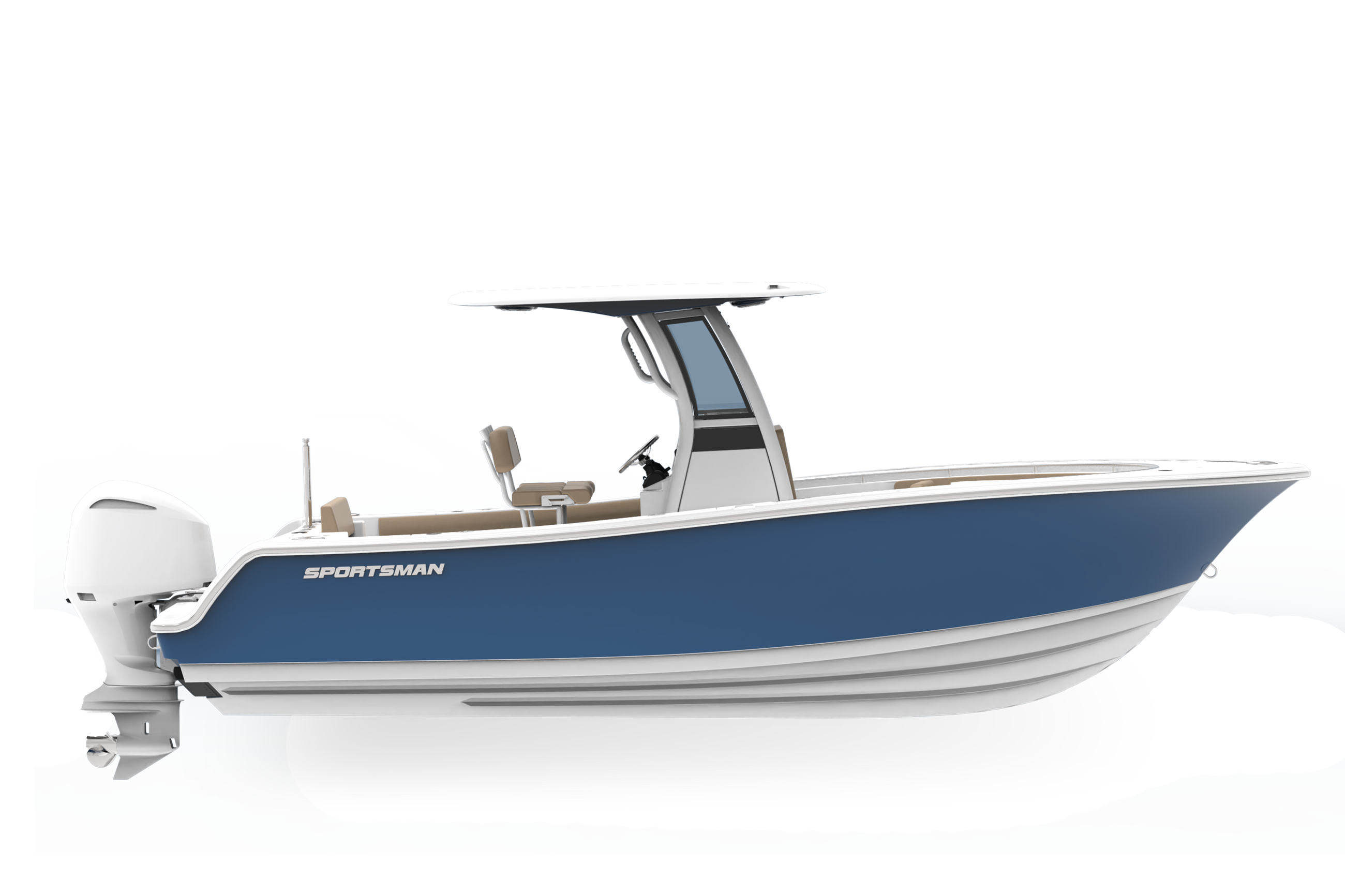
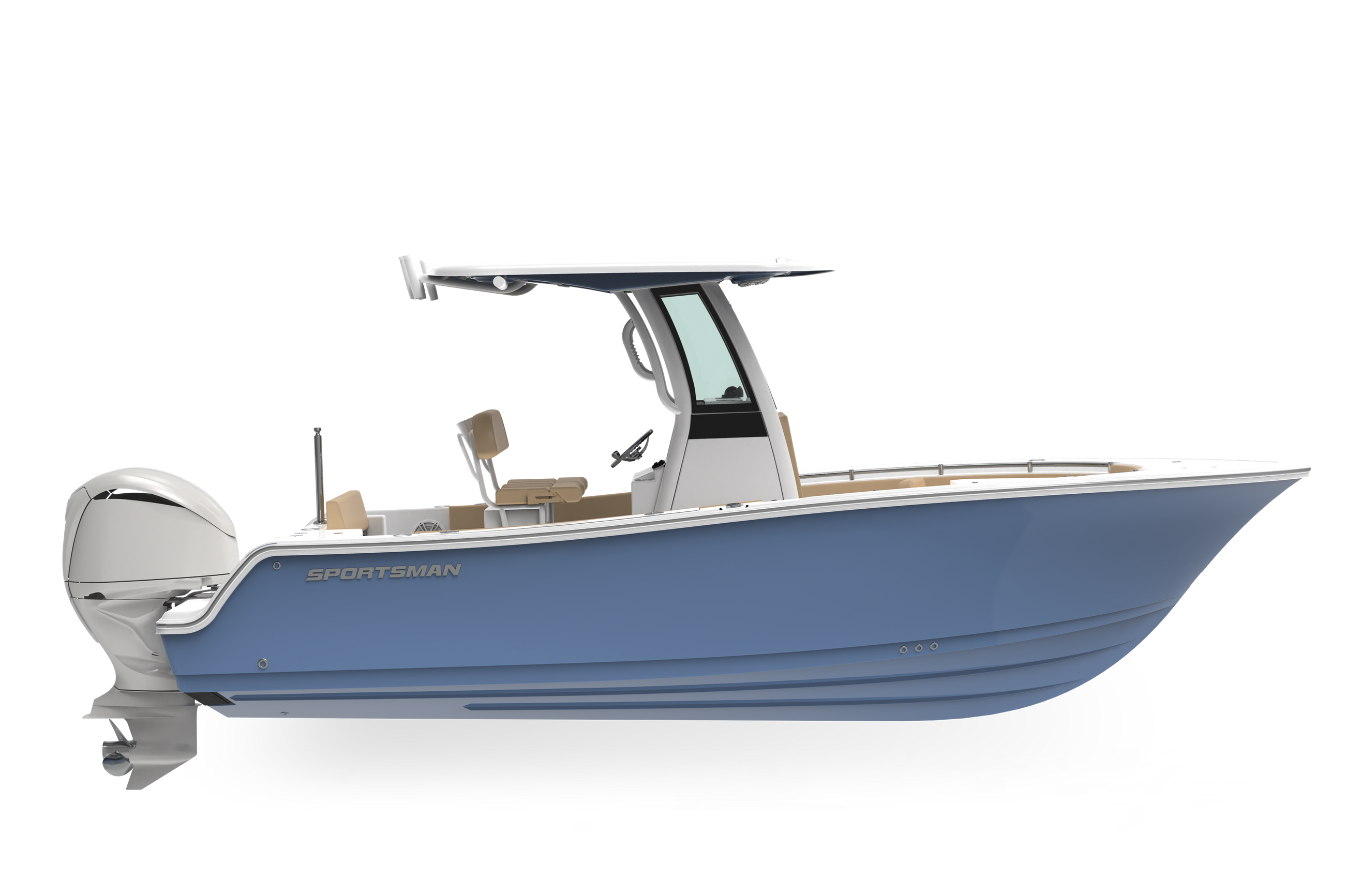
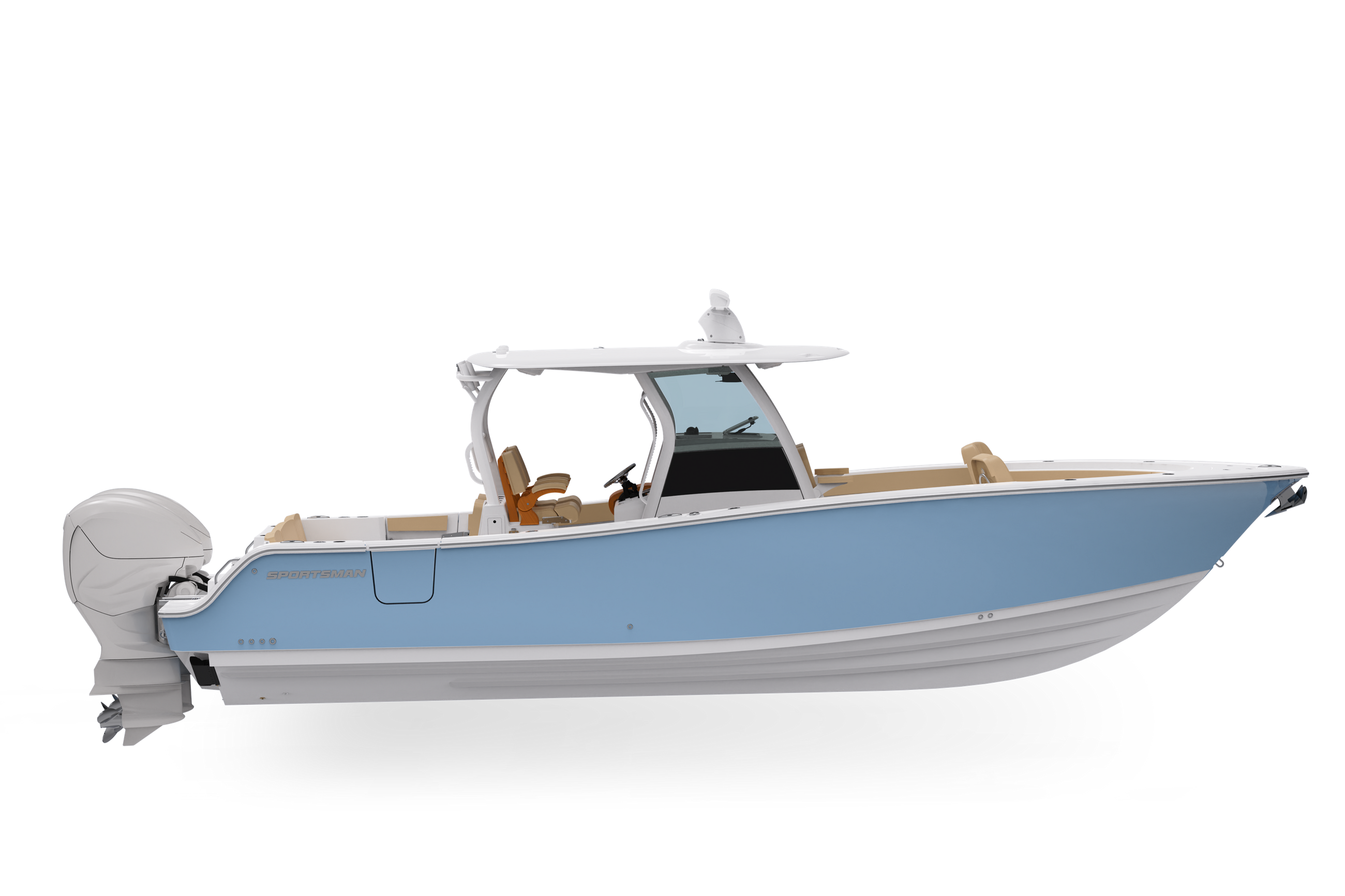
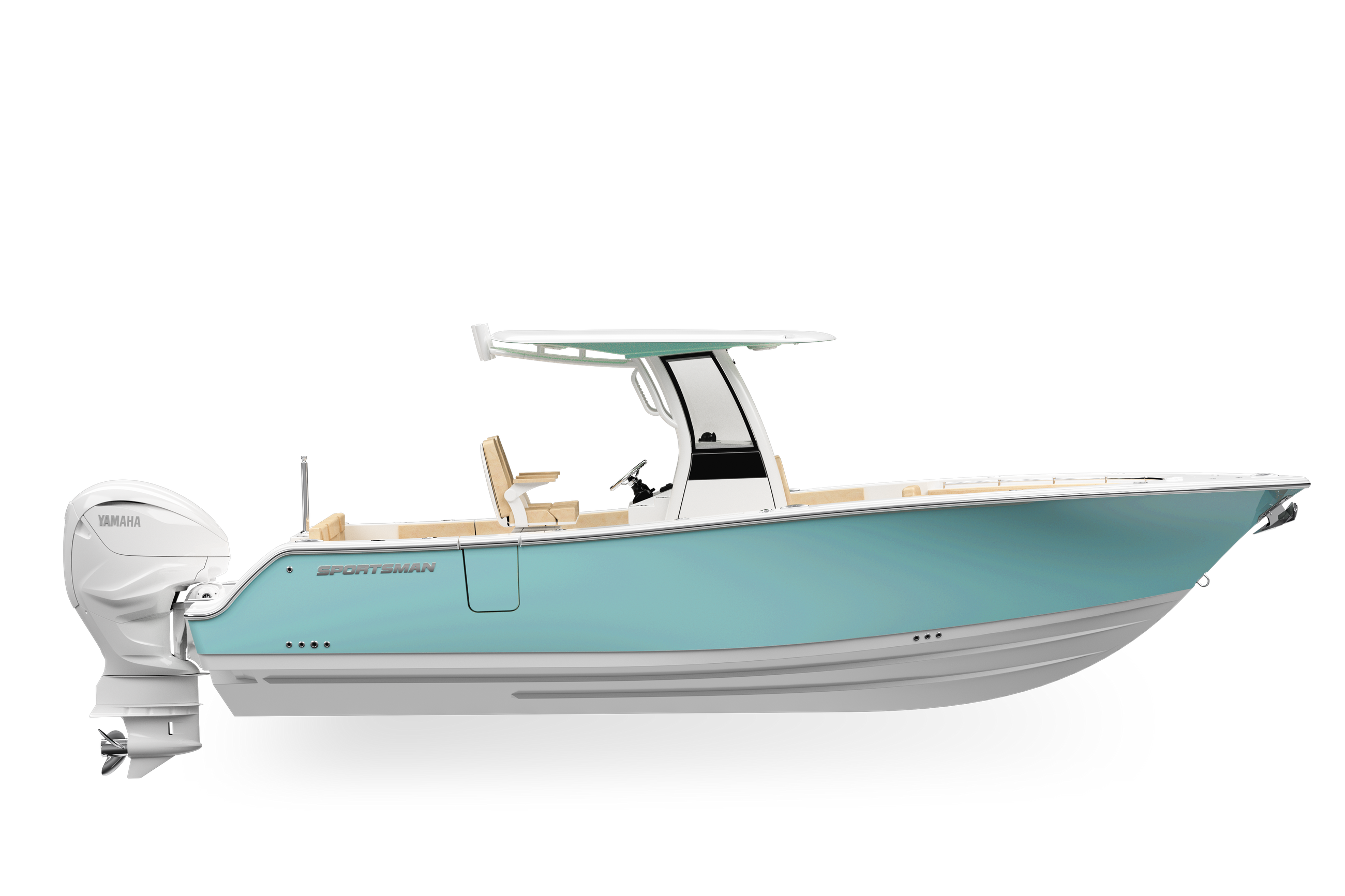
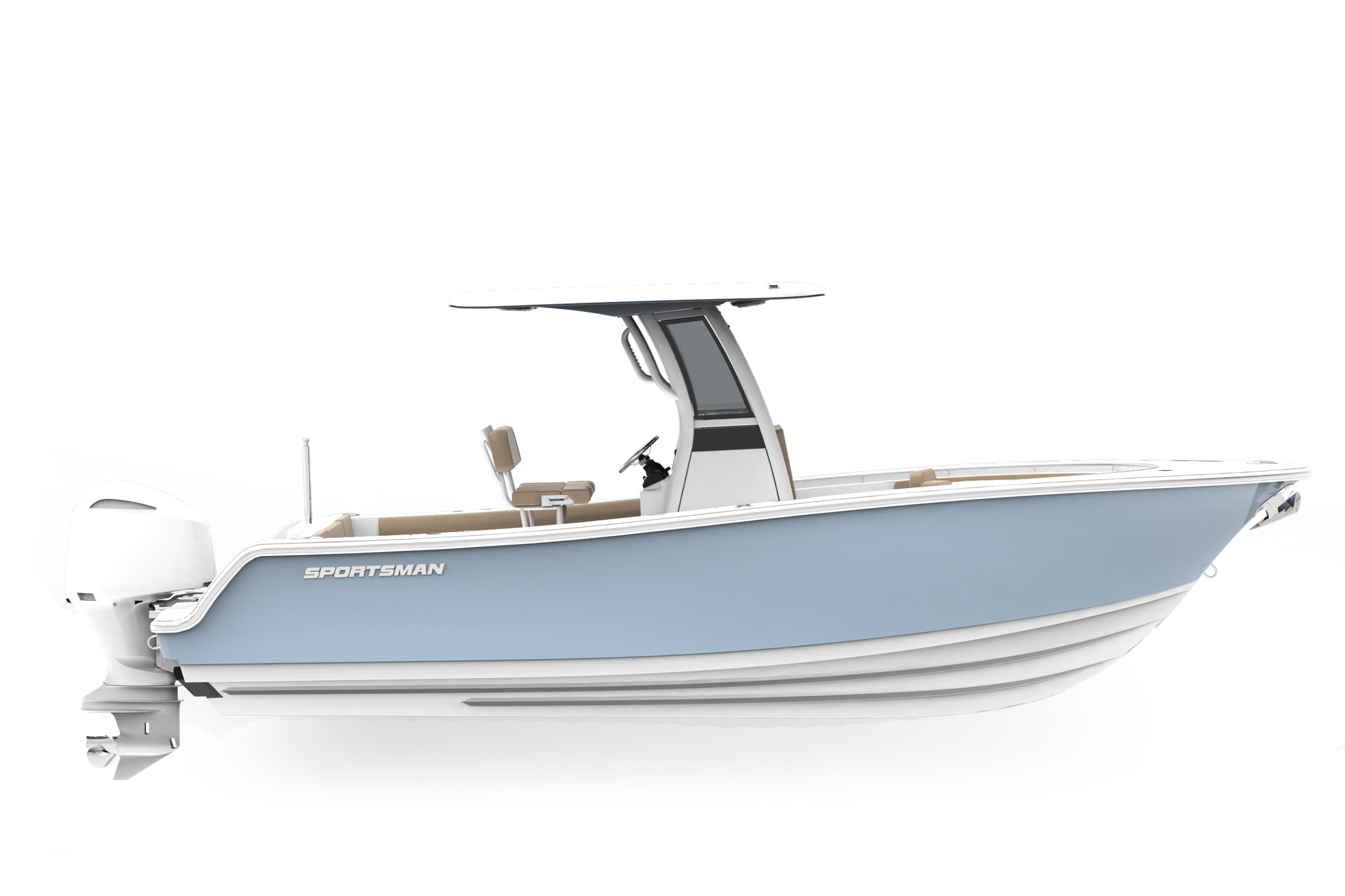
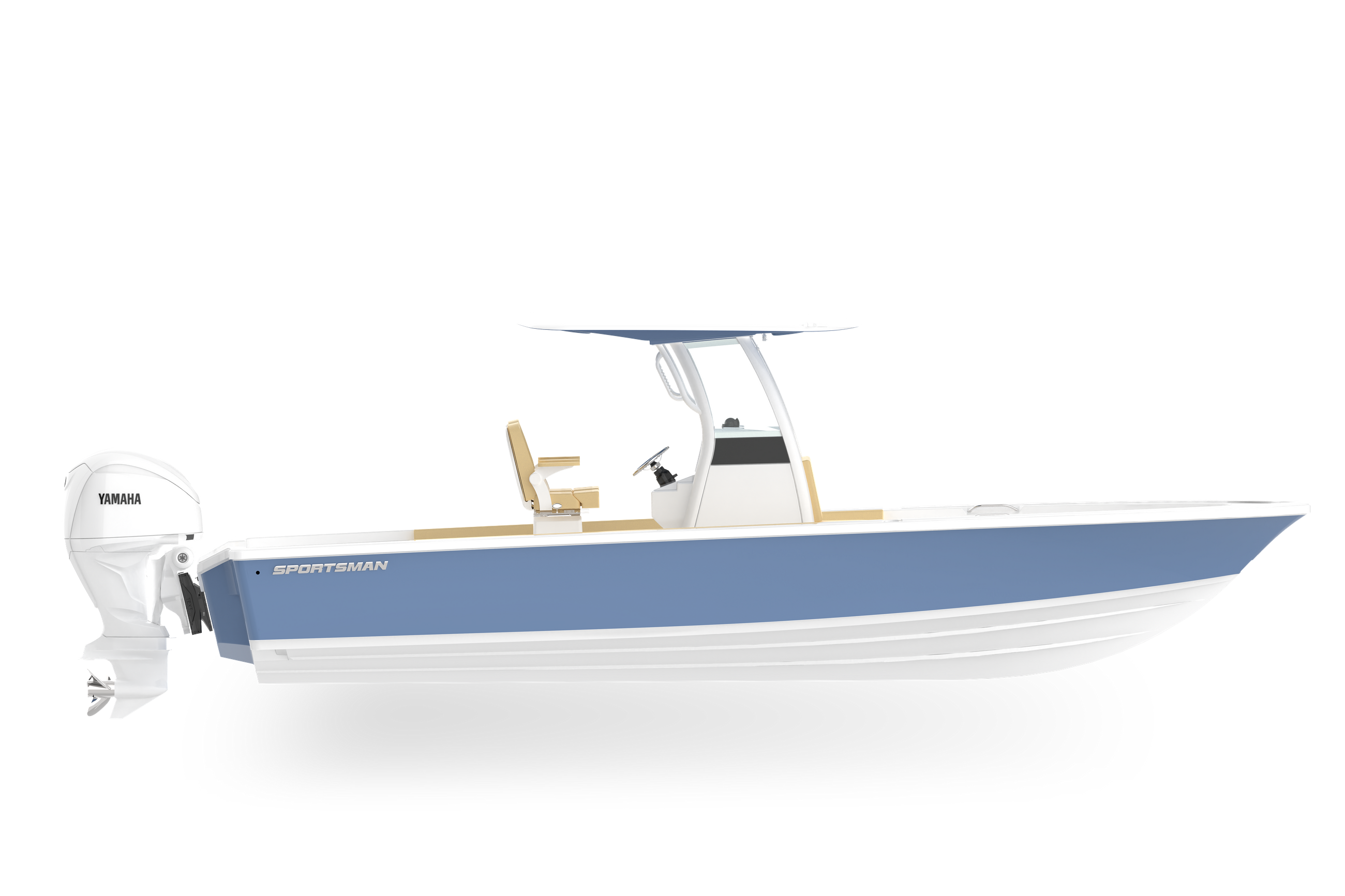
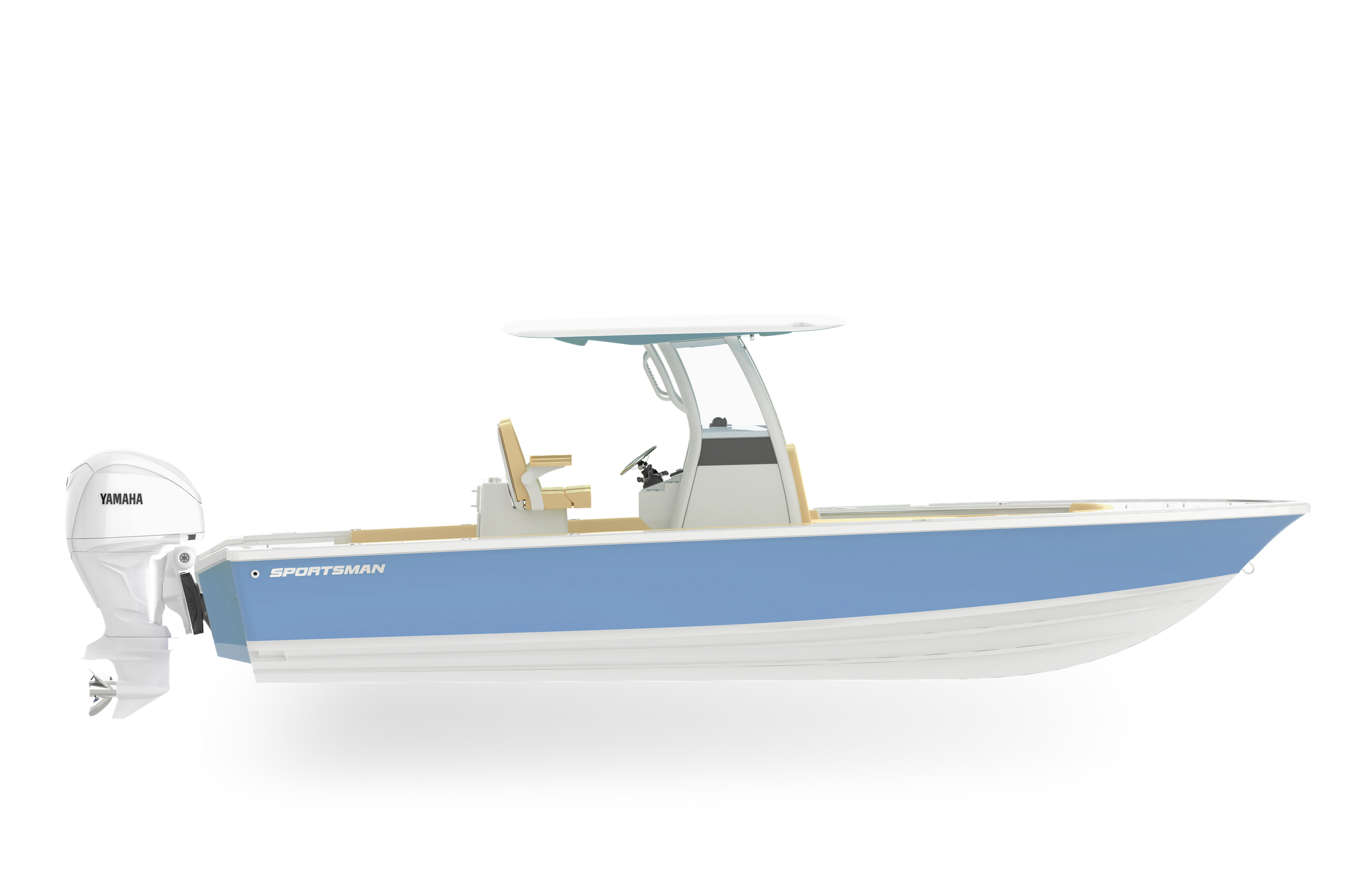
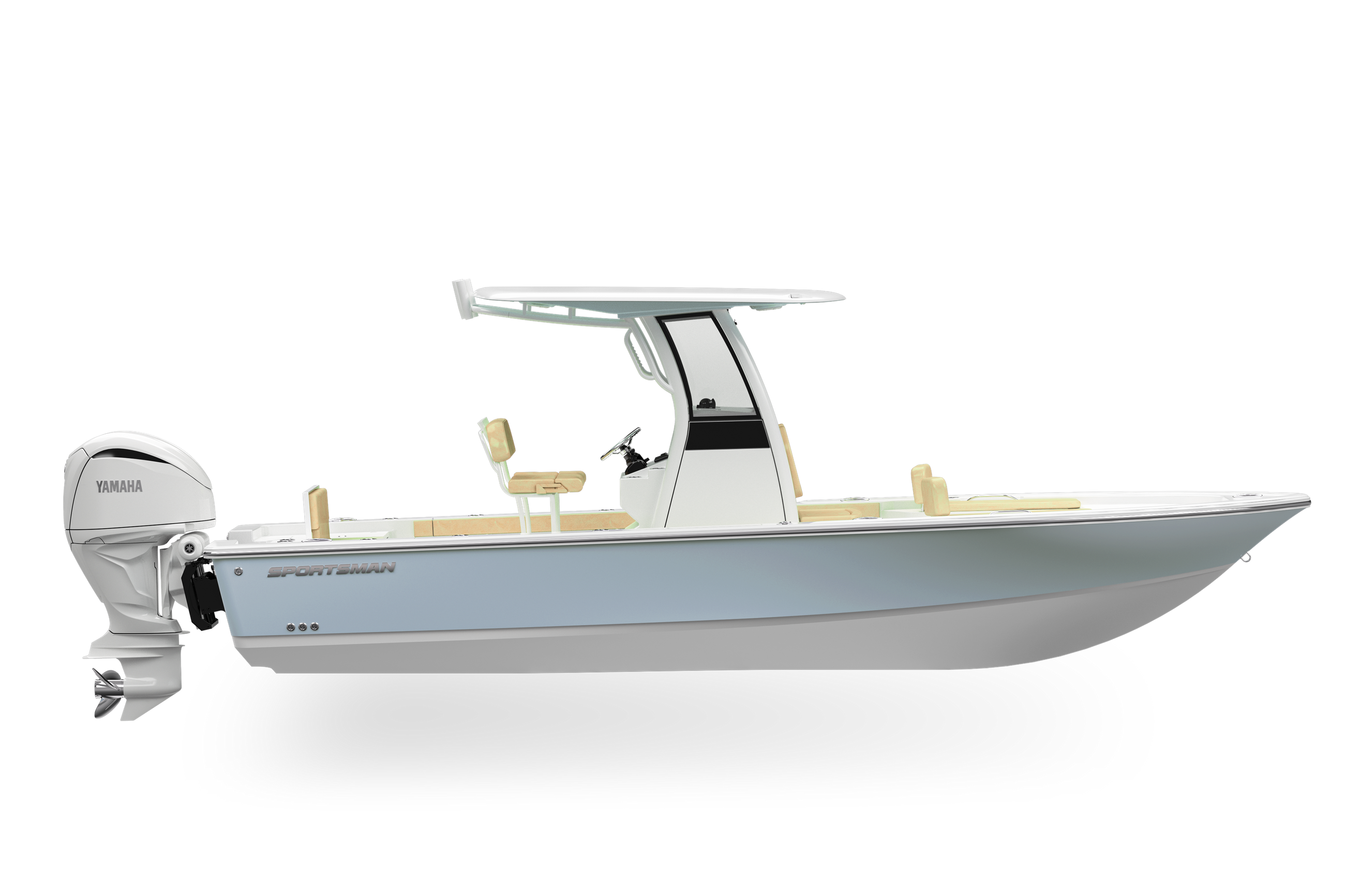
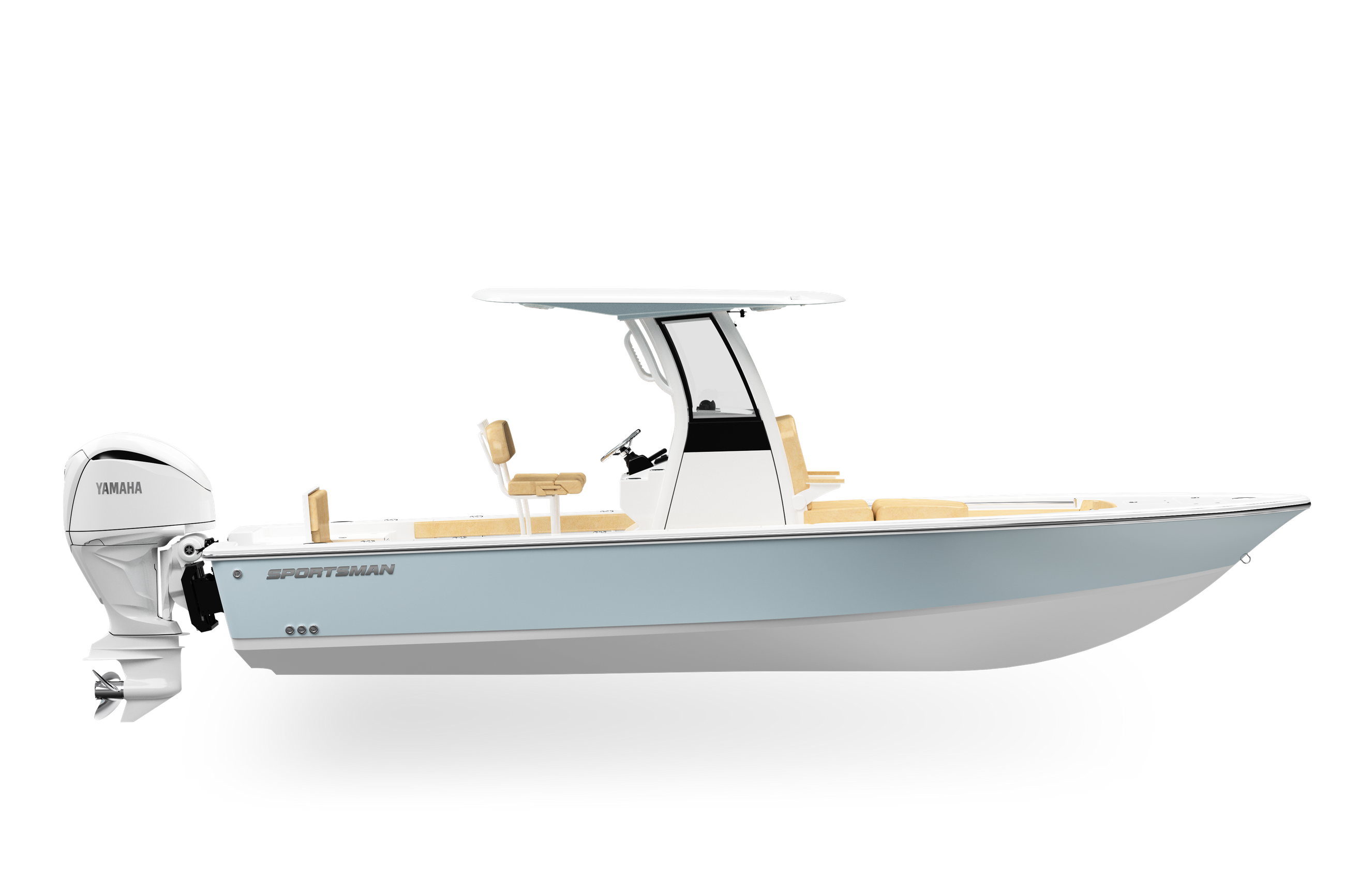
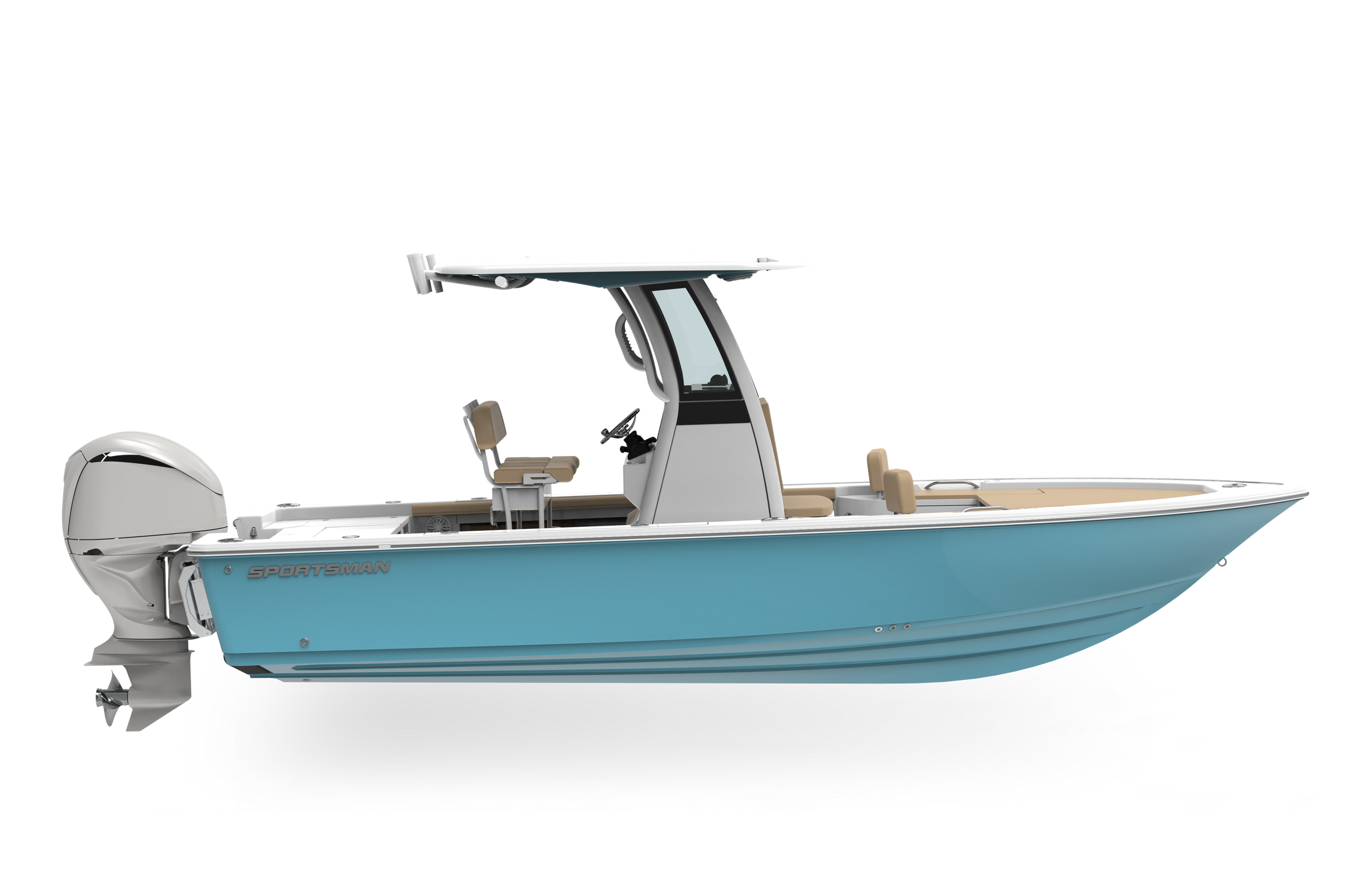
Seakeeper Ride and traditional trim tabs both improve boat handling and ride quality, but they operate very differently. Learn how Seakeeper Ride’s automatic rotary control system compares to traditional trim tabs and why it has become a major advancement in center console performance.

-
•Seakeeper Ride automates pitch and roll in real time, reducing the need for manual trim tab adjustments.
-
•It delivers instant response for a smoother ride with better visibility and comfort in changing conditions.
-
•Unlike a gyro stabilizer, it only operates while the boat is underway and water is flowing across the controllers, highlighting simplicity and easy integration.
One of the most common questions in modern boating technology is whether Seakeeper Ride is simply another version of trim tabs. While both systems help improve the way a boat rides and handles, they operate very differently and are designed to accomplish different goals on the water.
Traditional trim tabs have been around for decades. Mounted on the transom, trim tabs use adjustable planes that extend downward into the water to help control the running attitude of the boat. Operators manually adjust them to influence bow height, correct side-to-side list and improve overall ride comfort depending on conditions and load distribution.
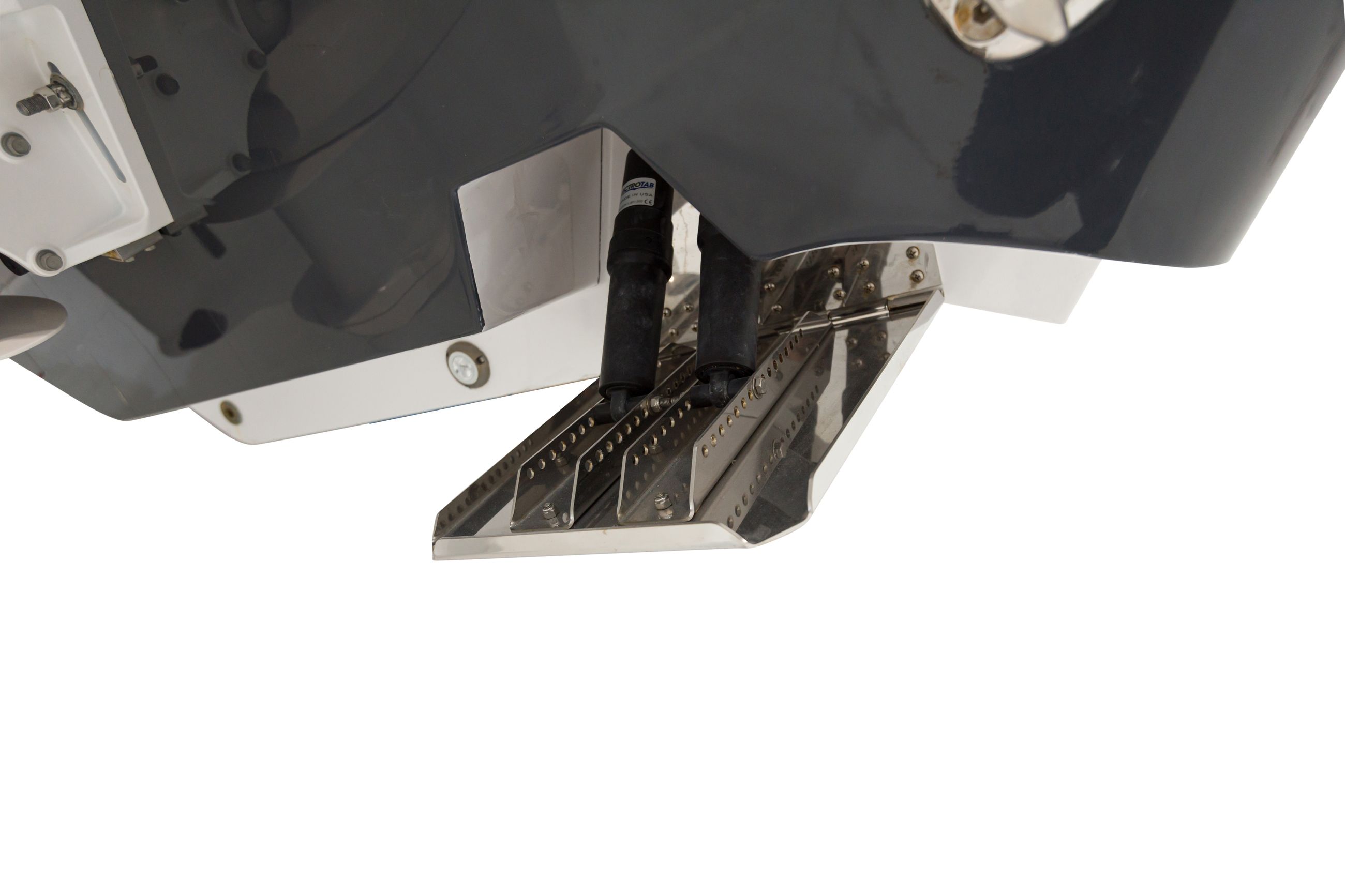
Seakeeper Ride takes a far more advanced and automated approach.
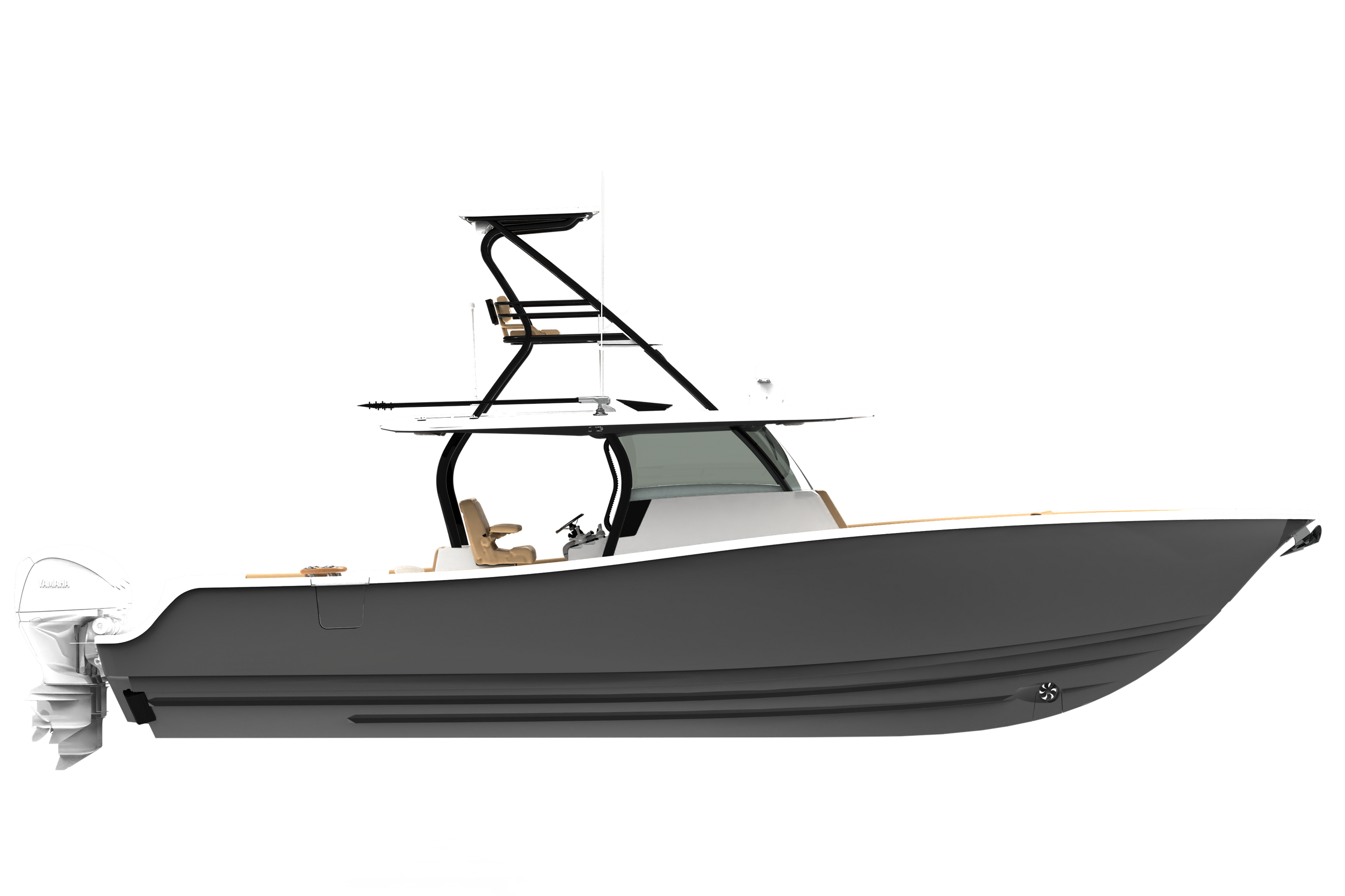
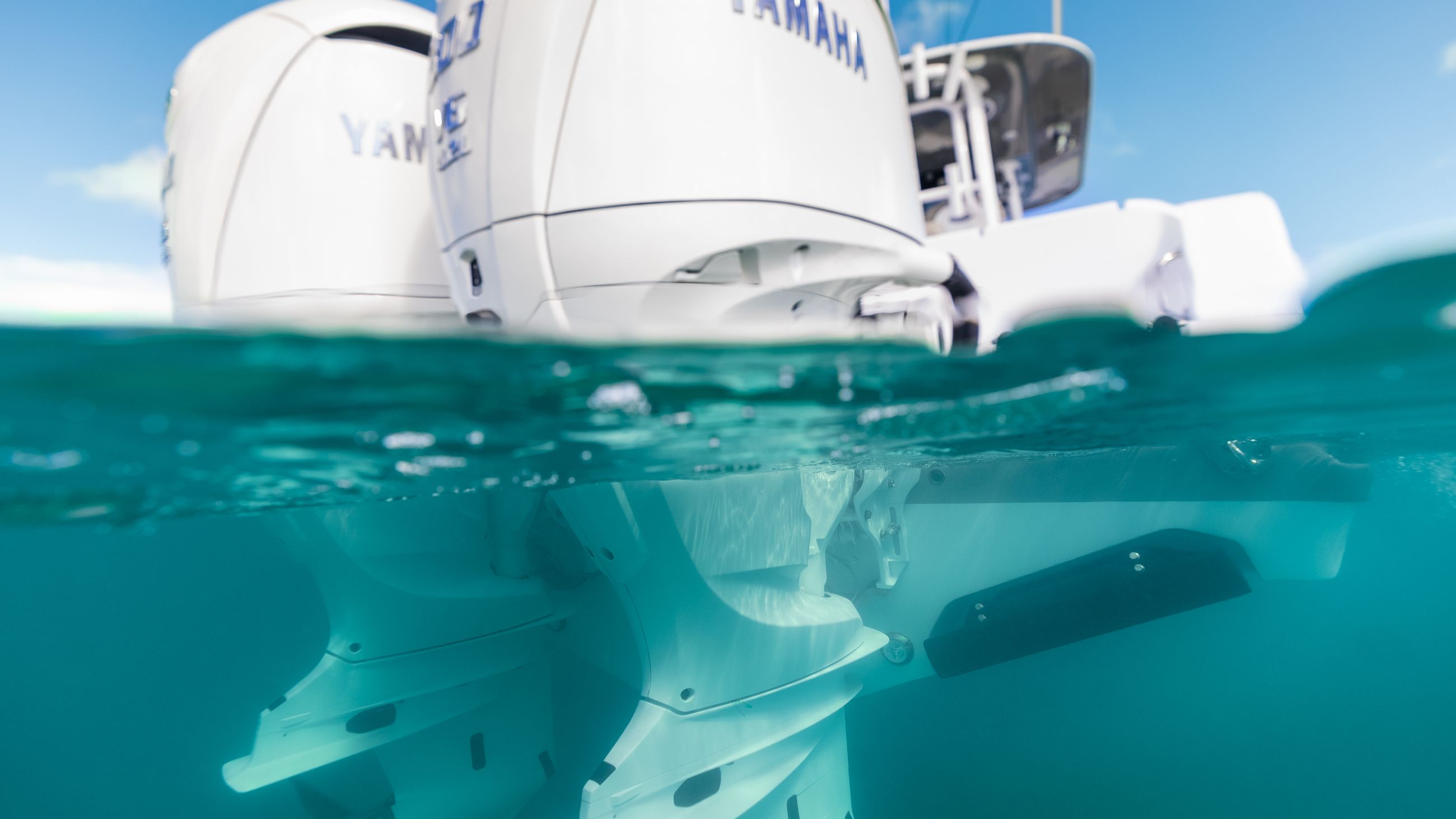
Instead of large trim planes extending behind the boat, Seakeeper Ride uses rotary blades mounted beneath the hull at the transom. These controllers react hundreds of times per second, automatically adjusting based on boat movement and water conditions in real time. The system is constantly working in the background without requiring constant manual input from the operator.
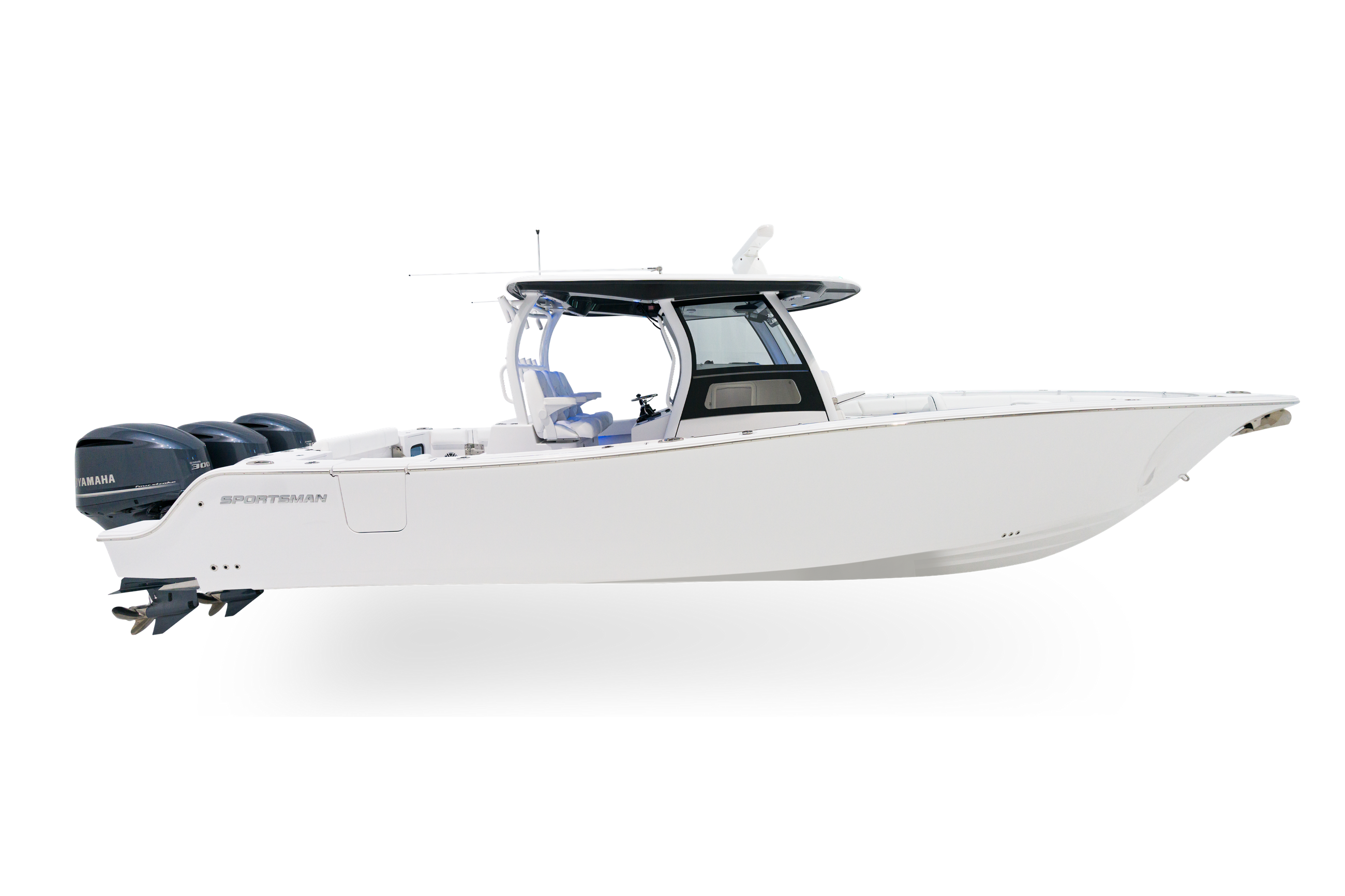
On Sportsman Boats, Seakeeper Ride has become standard equipment across the lineup because of how effectively it improves overall ride quality and control.
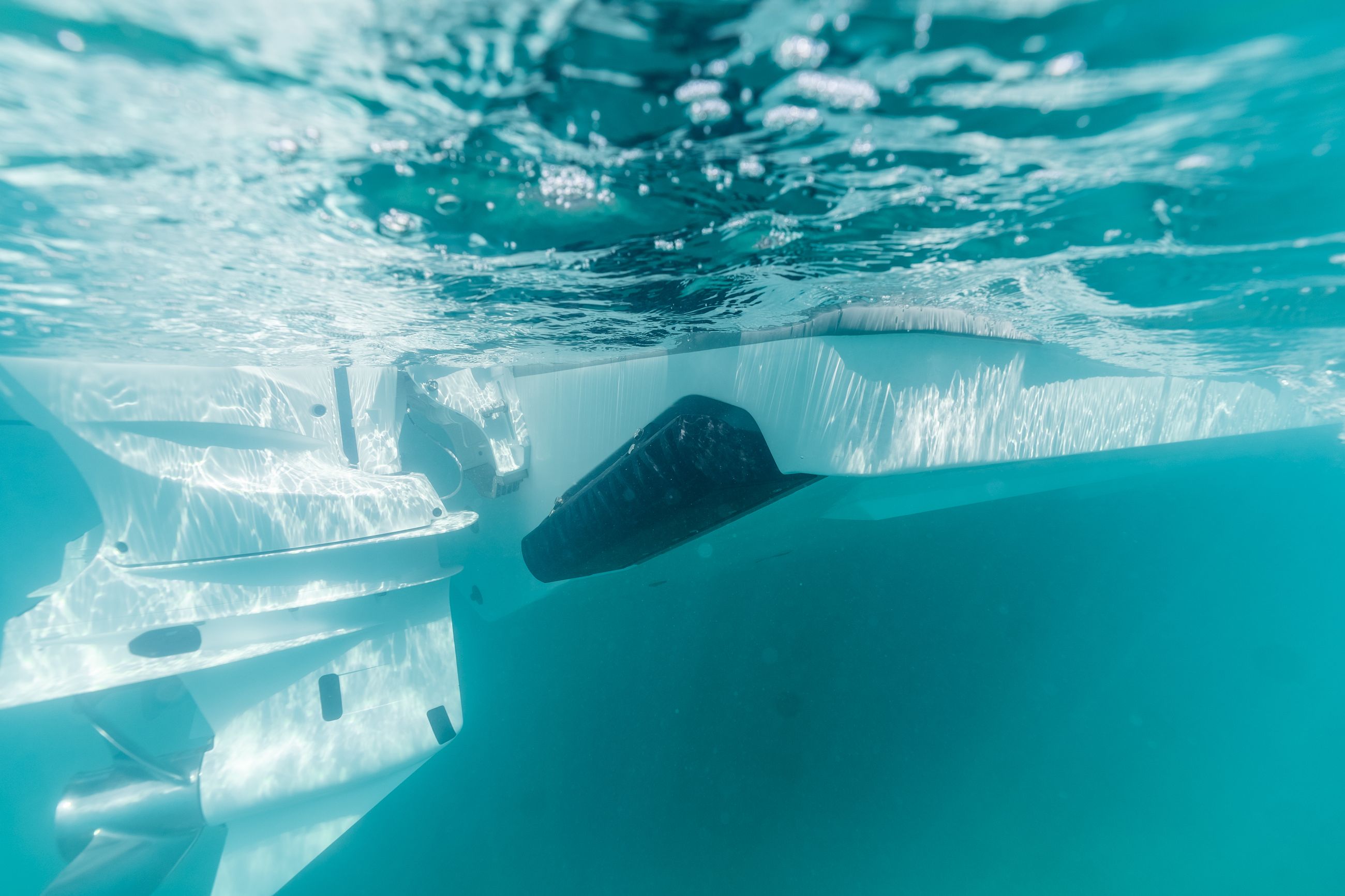
One of the biggest differences between the two systems is automation. Traditional trim tabs rely heavily on operator input. As conditions change, the captain typically needs to manually adjust the tabs to keep the boat running properly. Seakeeper Ride automatically manages pitch and roll correction without the operator constantly making adjustments.
Another major difference is response speed. Traditional trim tabs physically move larger planes through the water, which takes time. Seakeeper Ride’s rotary controllers react almost instantly, allowing the system to continuously adapt to changing conditions far faster than traditional tabs can respond.
The overall feel on the water is different as well.
Traditional trim tabs are highly effective at adjusting running attitude and helping get a boat on plane more efficiently, but they often require compromise between performance and comfort depending on how aggressively they are adjusted. Seakeeper Ride is designed to create a smoother, more controlled ride automatically while also improving visibility, reducing bow rise and helping maintain better overall balance throughout acceleration and cruising.
One area where Seakeeper Ride particularly stands out is roll correction while underway. As waves impact the hull from the side, the system actively counteracts that motion in real time, helping reduce side-to-side movement and creating a more comfortable ride for passengers.
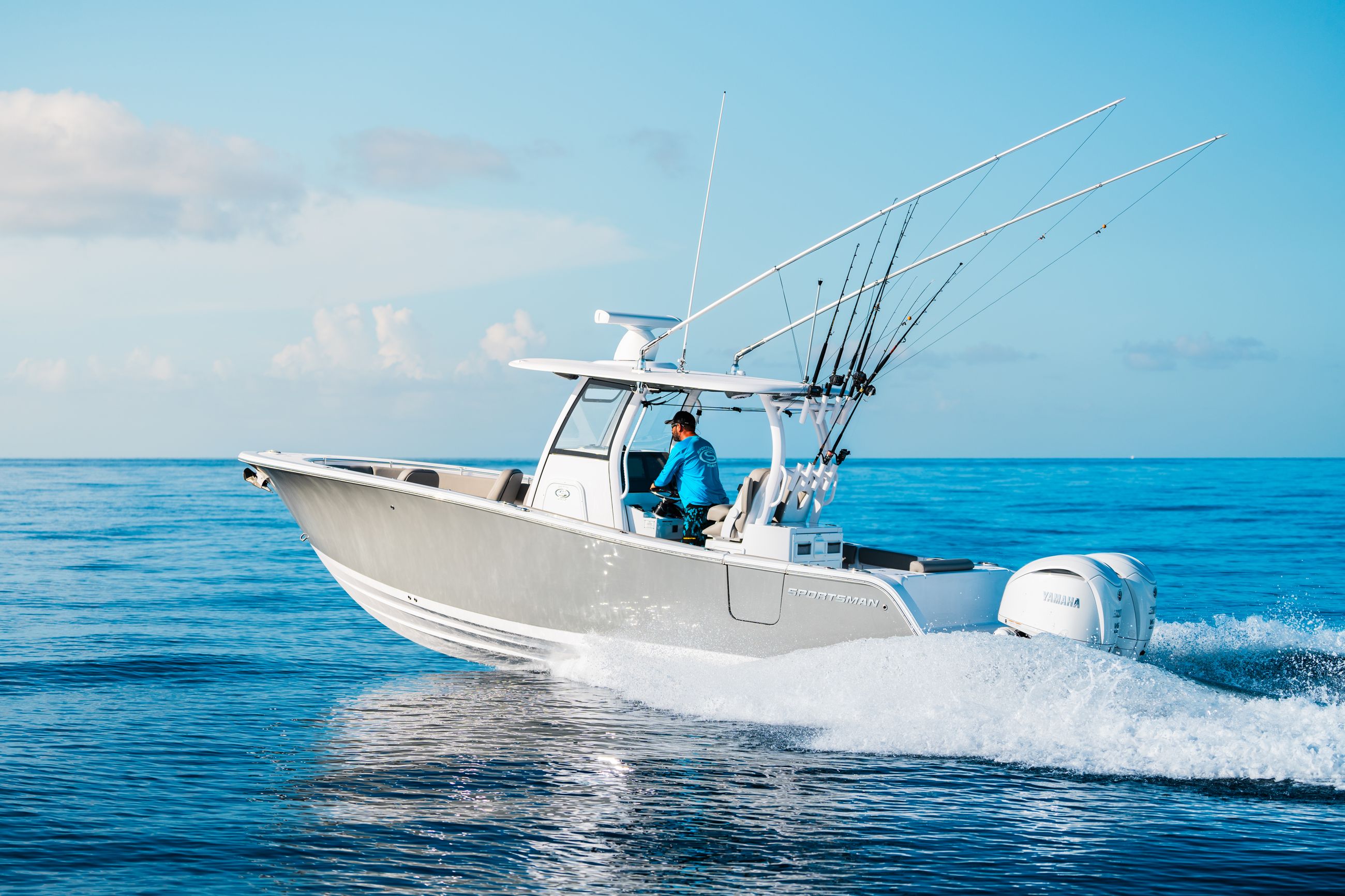
Unlike a Seakeeper gyro stabilizer, however, Seakeeper Ride does not stabilize the boat at rest. The system only functions while the boat is underway and water is actively flowing across the controllers.
Another major advantage of Seakeeper Ride is integration and simplicity. Because the system operates automatically, many boaters spend far less time adjusting controls and more time simply driving the boat. The system continuously works in the background to optimize ride quality based on conditions, speed and boat movement.
That simplicity becomes especially noticeable in changing offshore conditions where wind, current and sea state are constantly shifting. Instead of continuously managing trim adjustments, operators can focus more on navigation and situational awareness while the system handles ride control automatically.
Traditional trim tabs still remain highly effective and continue to be widely used throughout the marine industry. They are proven, simple and capable systems. But Seakeeper Ride represents a newer generation of ride-control technology that focuses heavily on automation, response speed and overall comfort underway.
For many boaters, especially those spending long days offshore or frequently running in rougher conditions, the difference becomes noticeable very quickly. The boat stays flatter, visibility improves, the ride feels smoother and passengers often experience less fatigue throughout the day.
Both systems are designed to improve how a boat performs, but they go about it in very different ways. Understanding that difference helps explain why Seakeeper Ride has become such a significant advancement in modern center console boating.
Related Posts
Keeping your boat in proper condition can seem like a lot of work. However, with some simple tips for easy regular maintenance your boat wil...
Read More