DSC, or Digital Selective Calling, is a major safety feature built into modern VHF radios. Learn how DSC works with Garmin electronics and SportLink® integration to improve communication, emergency response and situational awareness on the water.

-
•DSC adds a digital distress and location sharing system to VHF radios, improving safety on the water.
-
•DSC requires a GPS connection and an MMSI number to work properly.
-
•DSC enables direct vessel-to-vessel calls and integrates with Garmin SportLink to boost situational awareness.
DSC, or Digital Selective Calling, is one of the most important safety features built into modern VHF radios. While many boaters use their VHF primarily for communication, DSC adds a digital emergency and location-sharing system that can dramatically improve safety on the water.
At its core, DSC allows your VHF radio to transmit digital distress signals and direct vessel-to-vessel communication using your boat’s GPS position. Instead of simply broadcasting a voice distress call over Channel 16, DSC can automatically send your exact location and vessel information to nearby boats and rescue agencies with the push of a button.
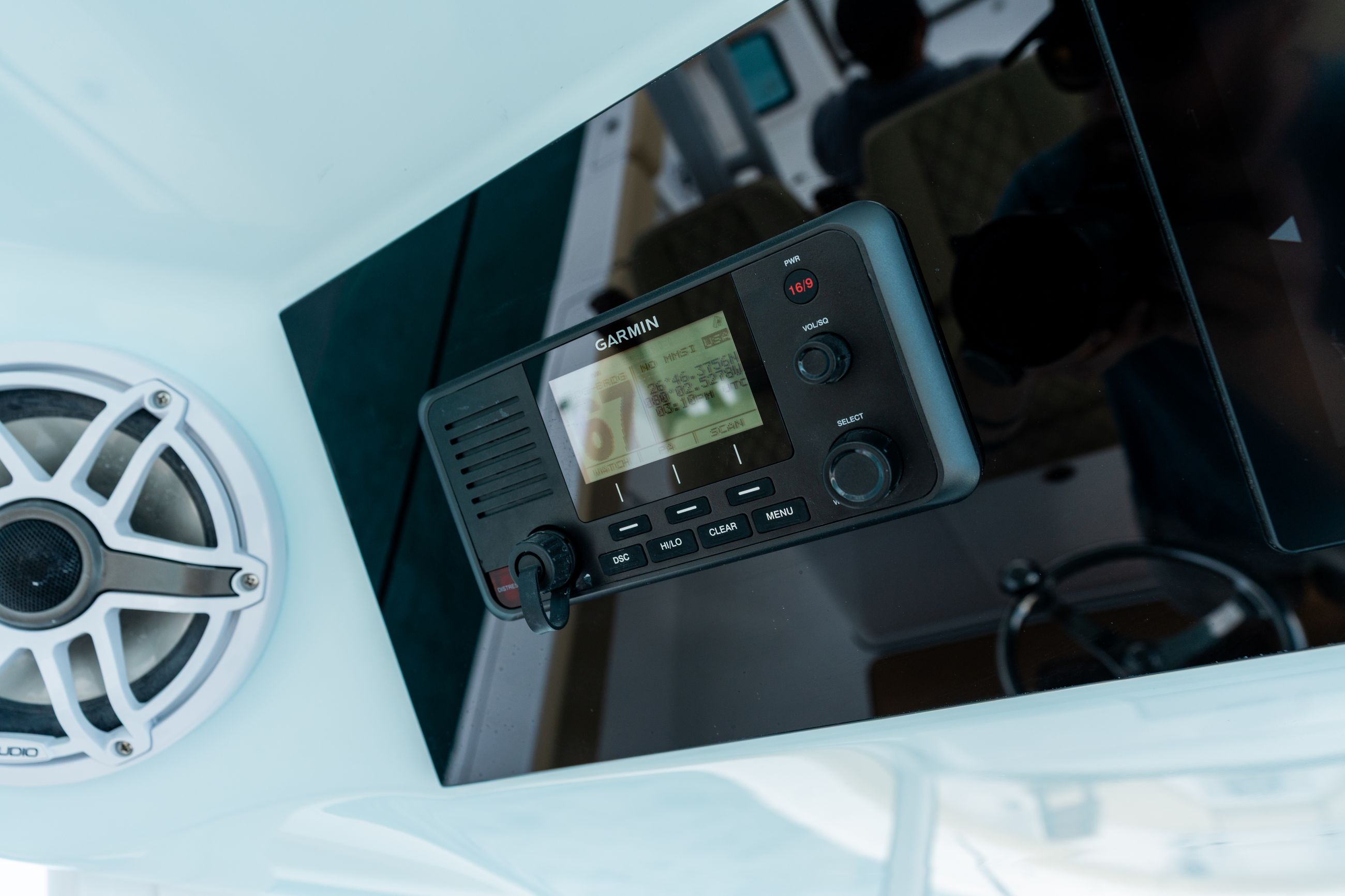
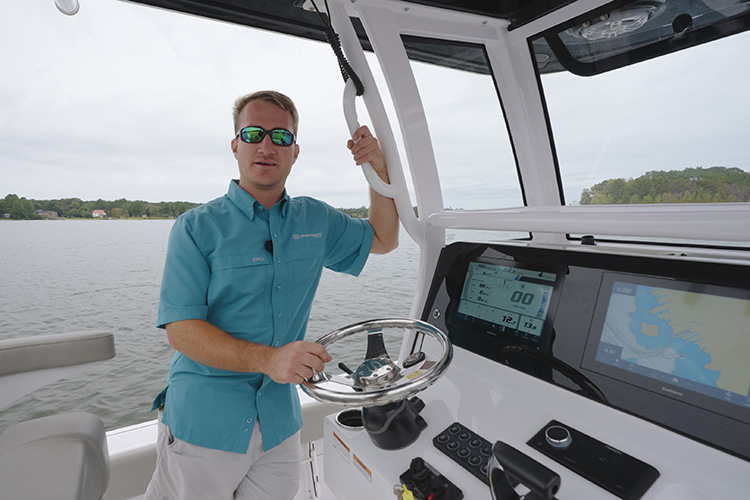
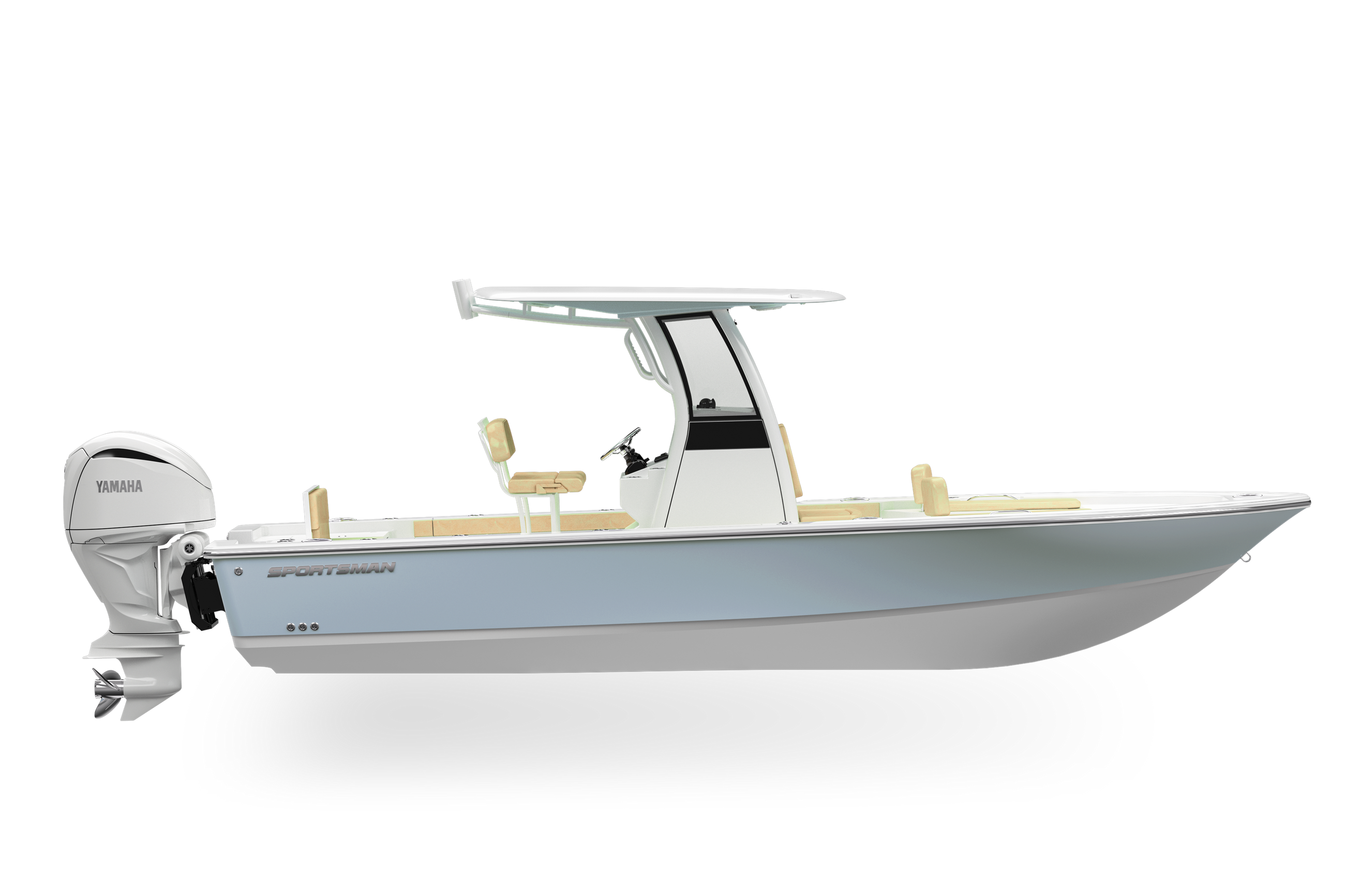
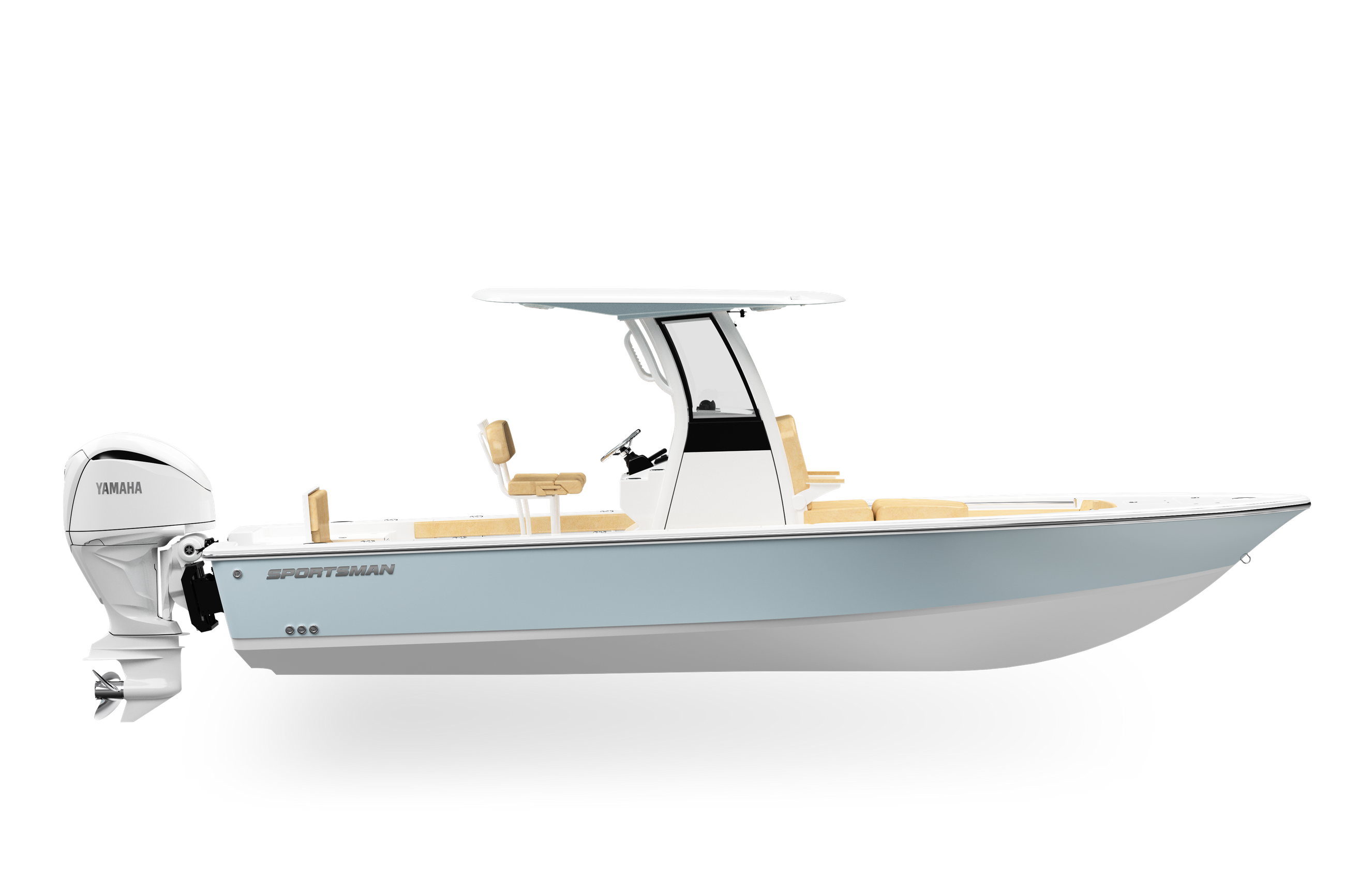
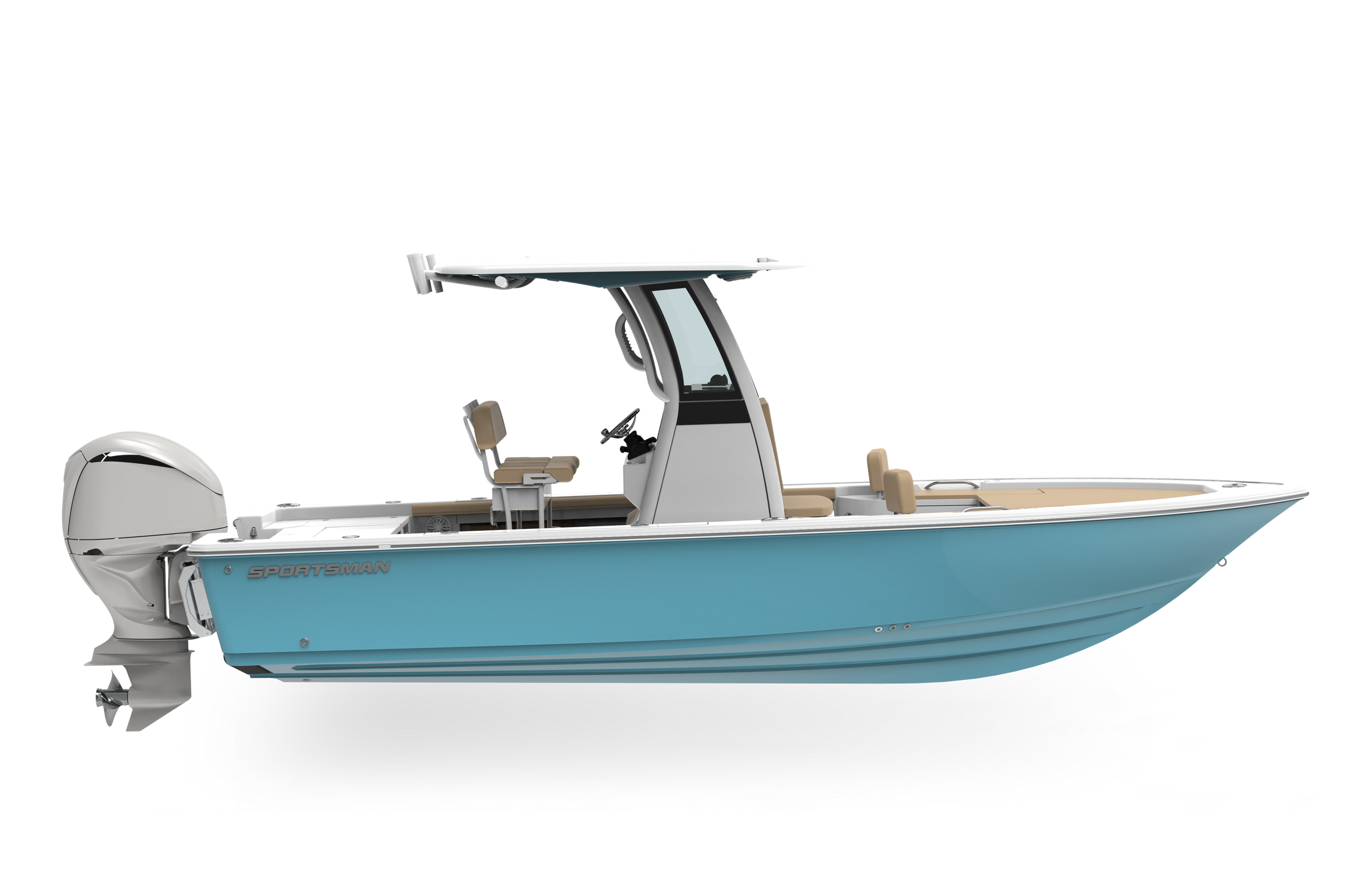
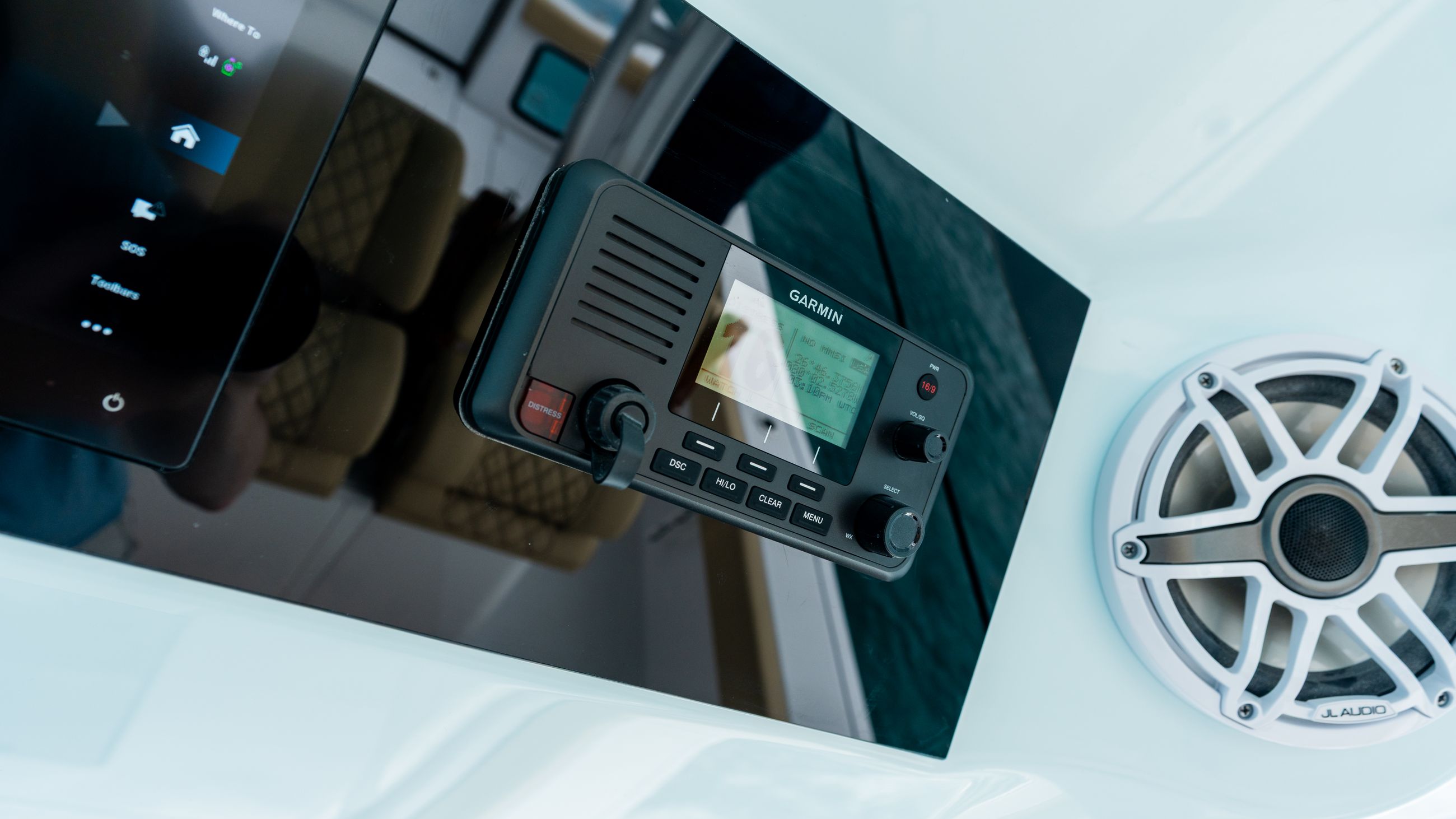
All Sportsman Boats come standard with Garmin VHF radios as part of our SportLink® system. When connected through the Garmin multifunction display (MFD), DSC features integrate directly into the helm, allowing communication and navigation systems to work together seamlessly.
The most important feature of DSC is the emergency distress function. Modern VHF radios include a protected red distress button. If activated during an emergency, the radio automatically transmits a digital distress signal over Channel 70, which is dedicated specifically for DSC communication.
That distress message can include:
• Your boat’s GPS location
• Your MMSI number
• The type of emergency, depending on setup
• The time of transmission
This allows the Coast Guard and nearby vessels to immediately receive your location, even if you are unable to communicate verbally over the radio.
For DSC to work properly, your radio needs two things:
• A GPS connection
• An MMSI number
An MMSI, or Maritime Mobile Service Identity number, acts like a unique identification number for your boat. Once entered into the radio, DSC can identify your vessel anytime a distress call or direct DSC communication is transmitted.
DSC is not just for emergencies either. It also allows vessel-to-vessel calling without tying up public hailing channels. Instead of repeatedly calling another boat over Channel 16, you can send a direct DSC call to a specific MMSI number, similar to dialing a phone contact. Once accepted, both radios automatically switch to a selected communication channel.
On modern Garmin systems integrated through SportLink®, DSC functionality becomes even more useful because the radio and chartplotter work together. Distress alerts, vessel positions and communication data can appear directly on the Garmin MFD, helping captains maintain better situational awareness.
For offshore anglers and tournament crews, DSC can also help keep groups connected more efficiently. Boats can share positions, coordinate movement and communicate more directly while reducing unnecessary chatter on common channels.
One of the biggest misconceptions about DSC is that it is complicated, but once setup is complete, it operates quietly in the background until needed. In many cases, simply registering an MMSI number and connecting the radio to GPS is enough to activate its core safety features.
DSC has become a major advancement in marine communication because it removes guesswork during emergencies. Instead of relying only on voice communication under stress, the radio can digitally transmit critical information instantly and accurately.
Whether you are fishing offshore, cruising the coast or running the Intracoastal Waterway, DSC provides an added layer of communication and safety every time you leave the dock. It is one more way modern Garmin electronics and SportLink® integration help simplify boating while improving confidence on the water.
Related Posts
Learn how to set up and use the pin list on your Garmin MFD to quickly access your favorite screens and tools on the water.
Read More