Get your fishing gear ready for the season with this practical saltwater prep guide. Learn what to replace, what to maintain, and how to responsibly recycle old tackle so you can avoid failures and fish with confidence whether you’re targeting inshore species or heading offshore.
-
•Preseason maintenance prevents failures and frustration when you’re miles from the dock
-
•Refresh and inspect key gear items like lines leaders and reels to extend life
-
•Recycle worn out tackle and reorganize your gear to save time and protect waterways
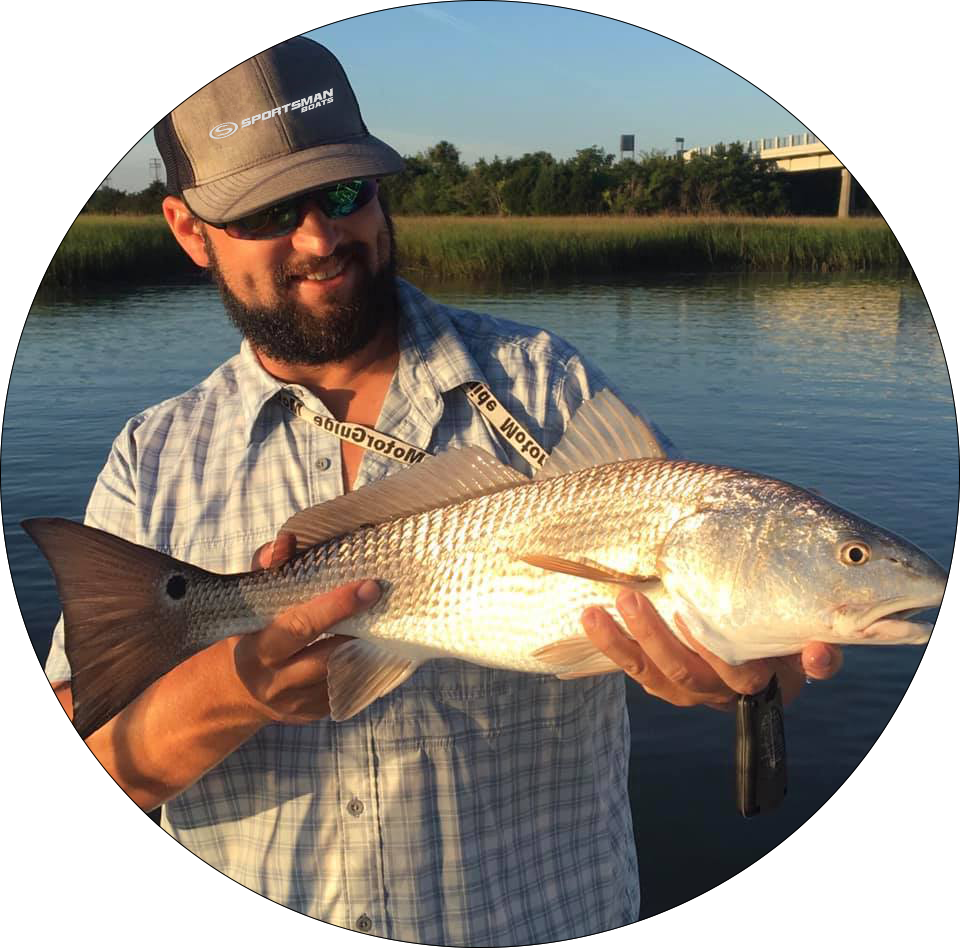
As the weather warms and boating season approaches, anglers start thinking about one thing: getting back on the water. Before you chase tailing reds in the marsh or run offshore for mahi and tuna, it’s worth taking the time to go through your fishing gear. A little preseason maintenance can prevent lost fish, equipment failure, and frustration once you’re miles from the dock.
Here’s a practical guide to refreshing, reusing, and recycling your inshore and offshore saltwater fishing gear so you’re ready for a full season of tight lines. Refresh: Replace What Matters Most
Saltwater is tough on gear. Even if everything looks fine at first glance, certain items should be replaced regularly to avoid failures at the worst possible moment.
Fishing Line
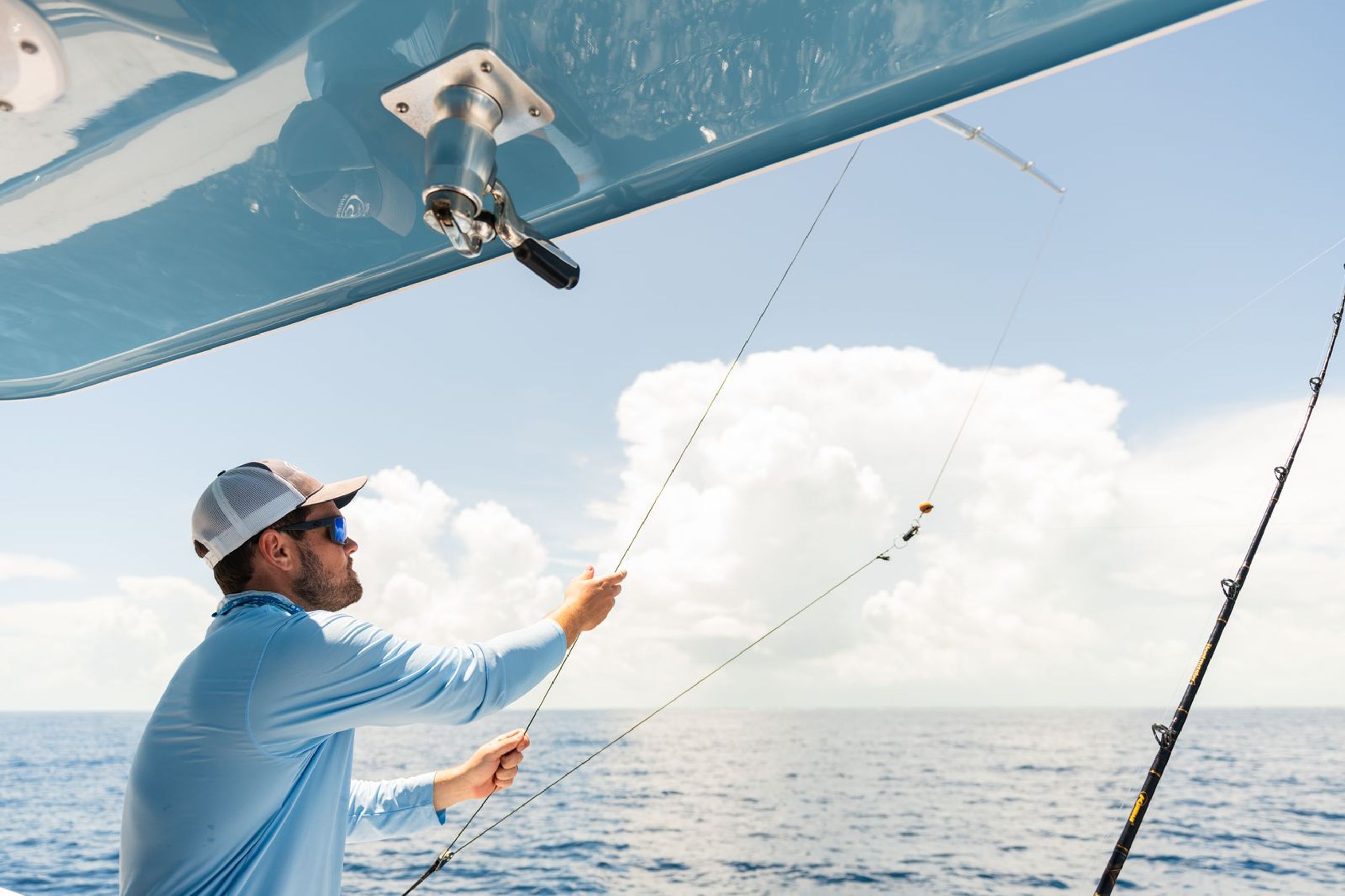
Line is the most common failure point.
• Braided line: Replace every 1–2 seasons depending on use. If the line is faded, fuzzy, or has weak spots, it’s time.
• Monofilament: Replace every season. UV exposure and saltwater degrade mono quickly.
• Fluorocarbon leaders: Refresh at the start of each season and replace frequently during the year.
Leaders and Terminal Tackle
Hooks, swivels, and split rings take a beating.
Replace any terminal tackle that shows:
• Rust
• Bending
• Dull hook points
• Corrosion around swivels
Even premium hooks can corrode after a season in the salt.
Rubber Baits and Soft Plastics
Soft plastics often dry out or deform in storage.
Replace ones that:
• Are stiff or brittle
• Have torn hook slots
• Lost their action
Keep fresh packs of paddle tails, jerk shads, and shrimp imitations ready for the first trip.
Reuse: Gear That Just Needs a Little TLC
A lot of fishing gear can last for years with the right maintenance.
Rods
Inspect rods carefully before the season:
• Check guides for cracks or grooves
• Look for loose reel seats
• Inspect rod tips for damage
Clean rods with mild soap and water to remove salt residue. If the guides are smooth and the blank is sound, they’re ready for another season.
Reels
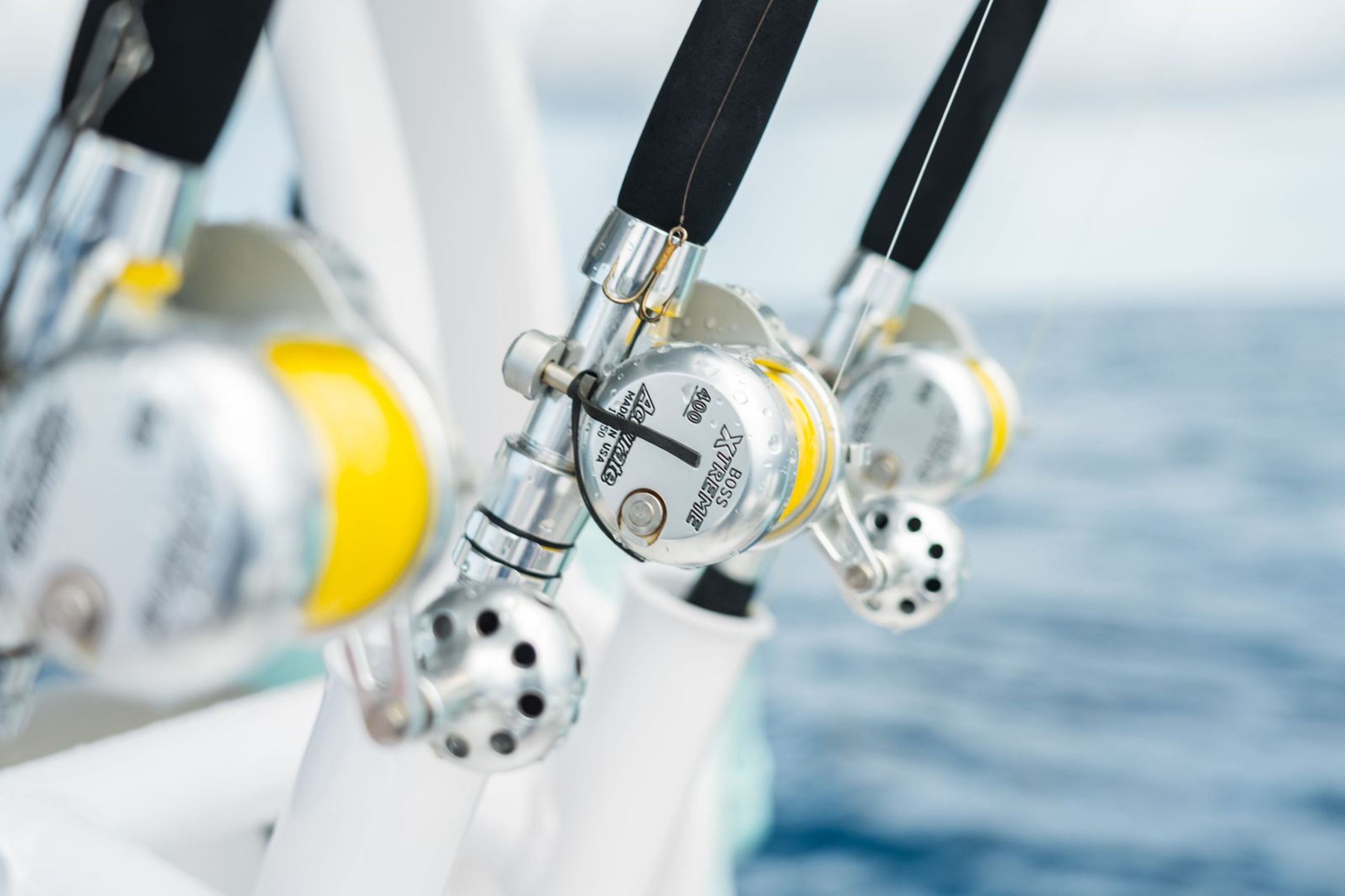
Quality reels can last many seasons with proper care.
Preseason checklist:
• Rinse with fresh water.
• Clean old grease and dirt.
• Oil bearings and moving parts.
• Check drag systems for smooth operation.
If a reel feels rough, sticky, or inconsistent under drag pressure, consider a professional service before putting it back into heavy use offshore.
Hard Baits and Lures
Topwater plugs, and jigs can last for years.
Before the season:
• Replace rusted treble hooks
• Swap out weak split rings
• Check lure bodies for cracks
A quick hardware upgrade can make an old lure fish like new again.
Recycle: What Shouldn’t Go Back on the Boat
Some gear simply reaches the end of its useful life.
Old Fishing Line
Never throw used fishing line in the trash or overboard.
Many marinas and tackle shops have fishing line recycling bins. Recycling helps prevent wildlife entanglement and keeps waterways clean.
Rusted Hooks and Terminal Tackle
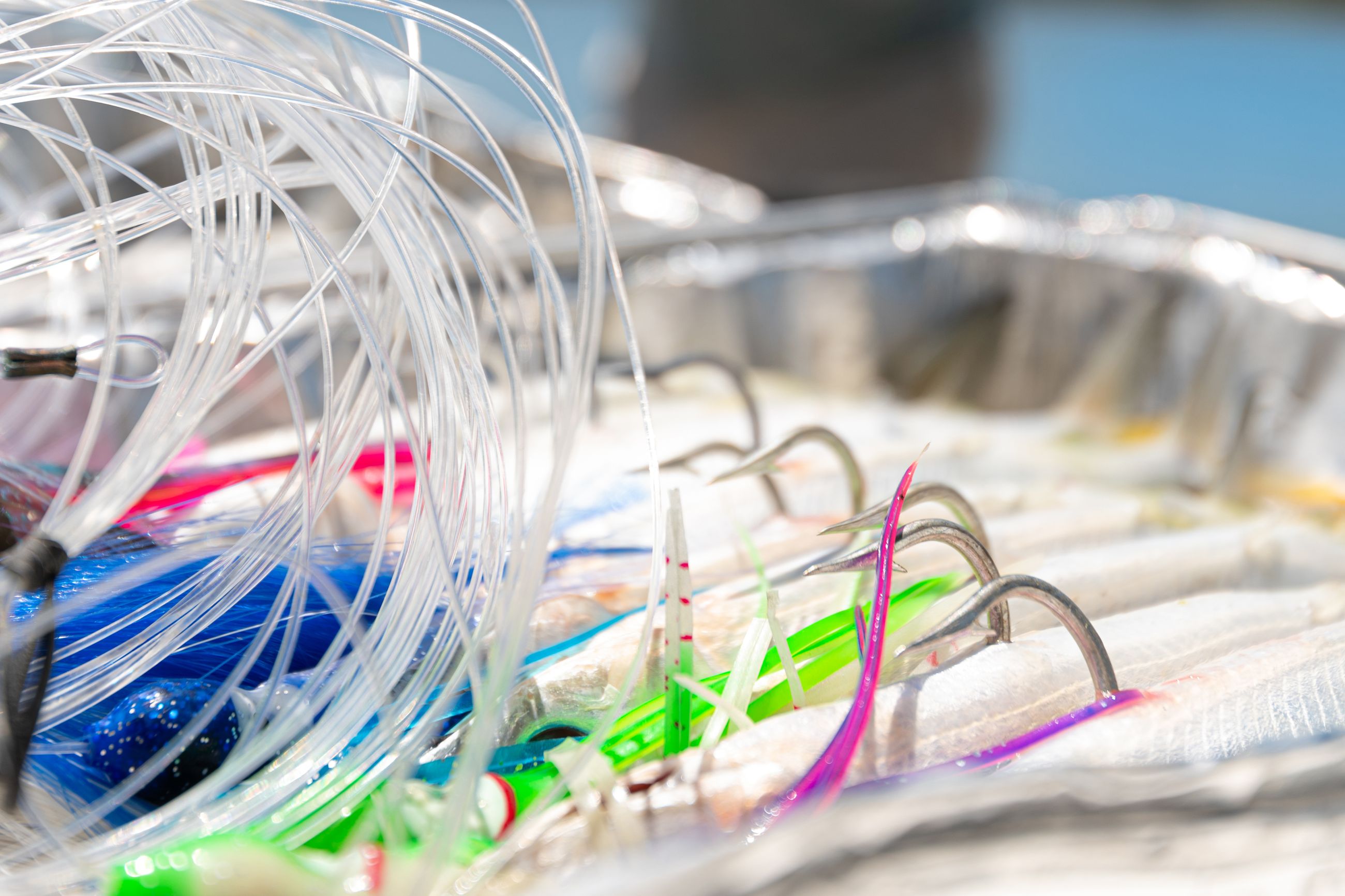
Hooks that are heavily corroded or weakened should be discarded responsibly. Keep a small container in your tackle area for old metal gear before recycling it.
Broken Lures
If a lure body is cracked beyond repair, remove any usable hardware and discard the rest. The hooks and rings may still have life left in them.
Don’t Forget Your Tackle Organization
The off-season is also a great time to reorganize your tackle:
• Clean tackle trays
• Separate inshore and offshore gear
• Restock essential items like jig heads, weights, and leader material
A well-organized tackle system saves time when the bite is on.
Saltwater fishing gear is an investment, and preseason prep ensures it performs when it matters most. By taking a few hours to refresh critical items, reuse quality gear, and recycle worn-out tackle, you’ll hit the water with confidence.
Whether you’re stalking redfish on the flats or running offshore for pelagic, properly prepped gear means fewer failures and more fish in the boat.
Related Posts
Buying your first boat is exciting, but small mistakes can quickly turn fun into frustration. This guide walks new boat owners through commo...
Read More