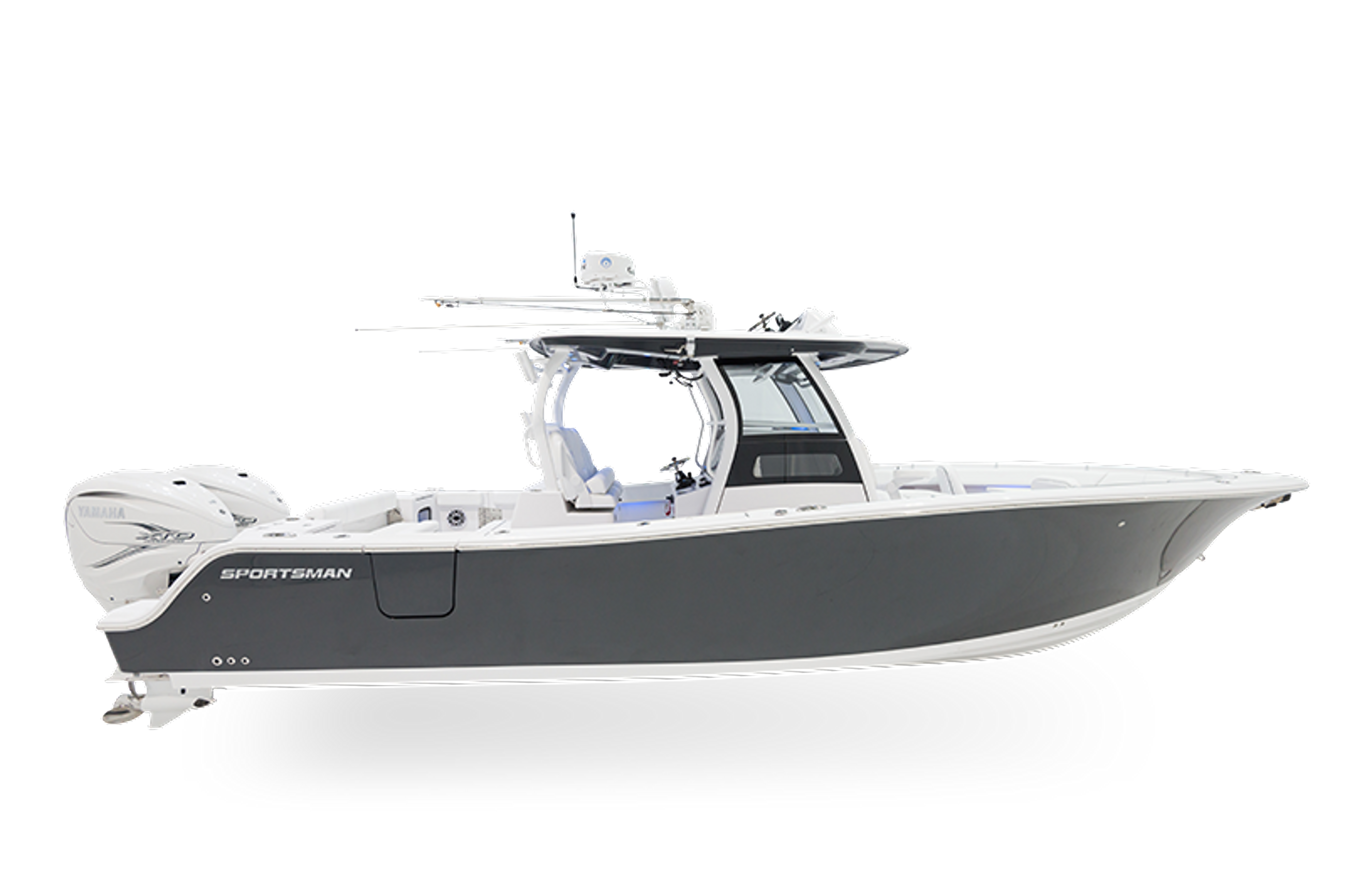
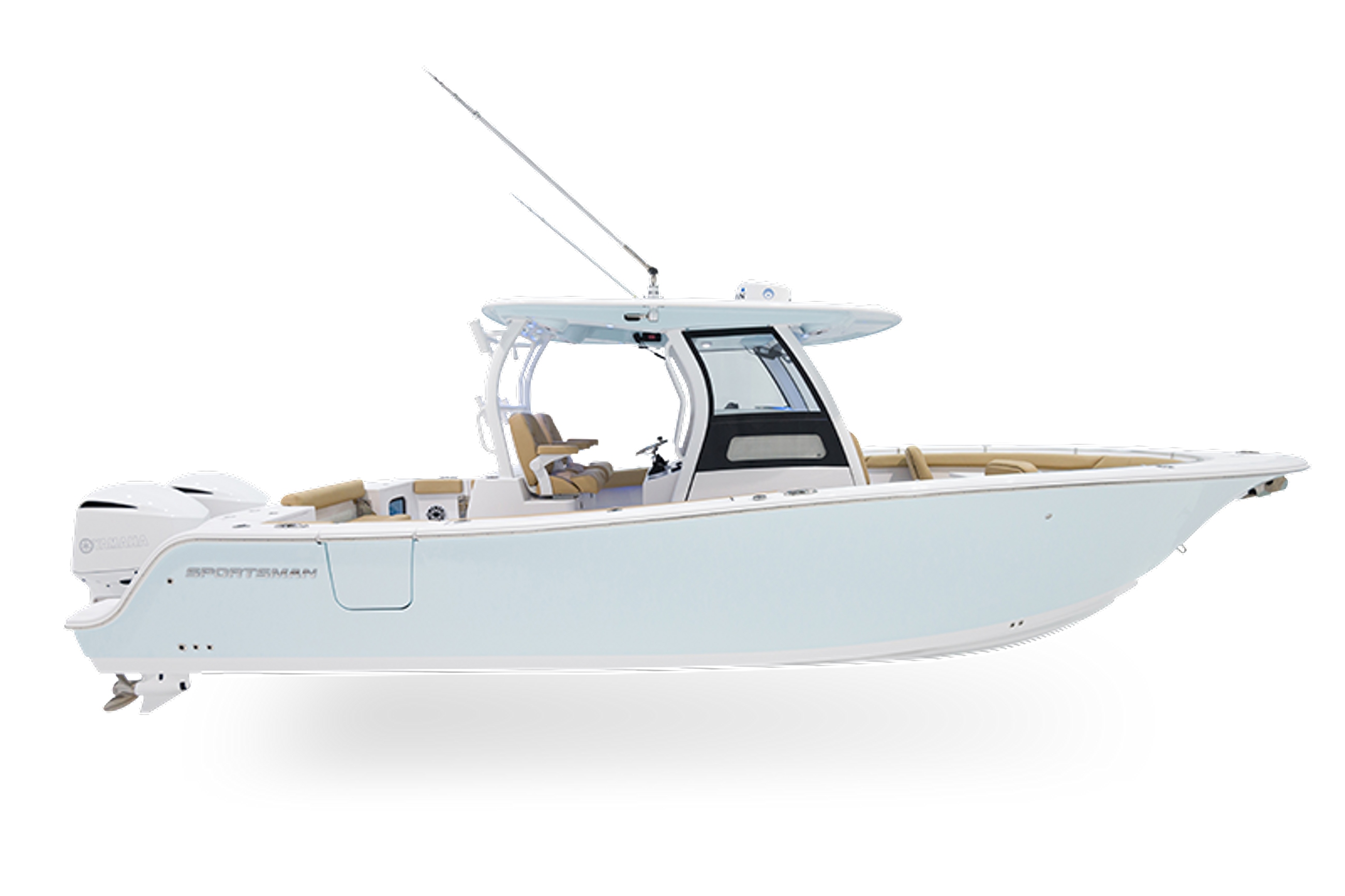
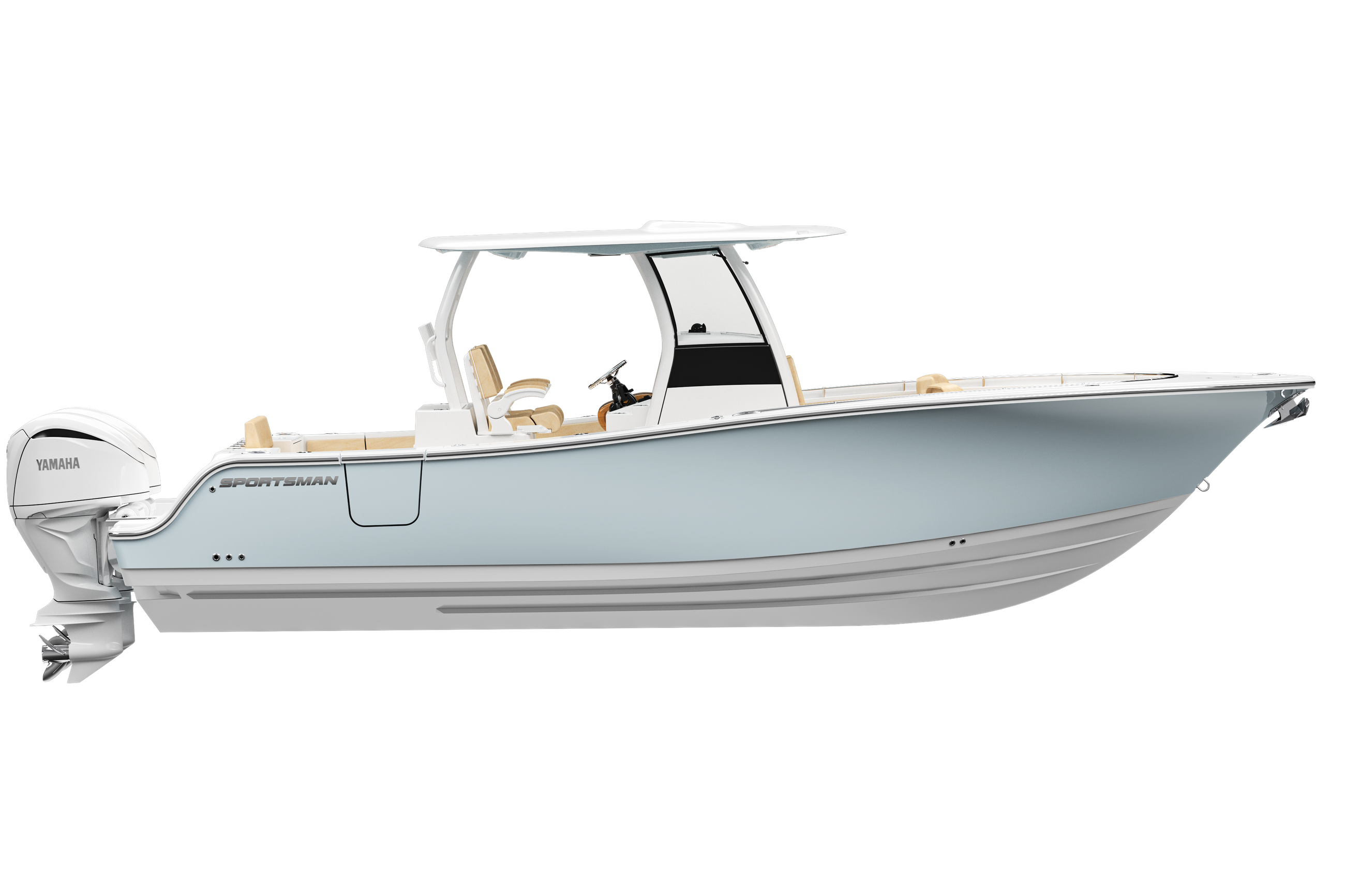
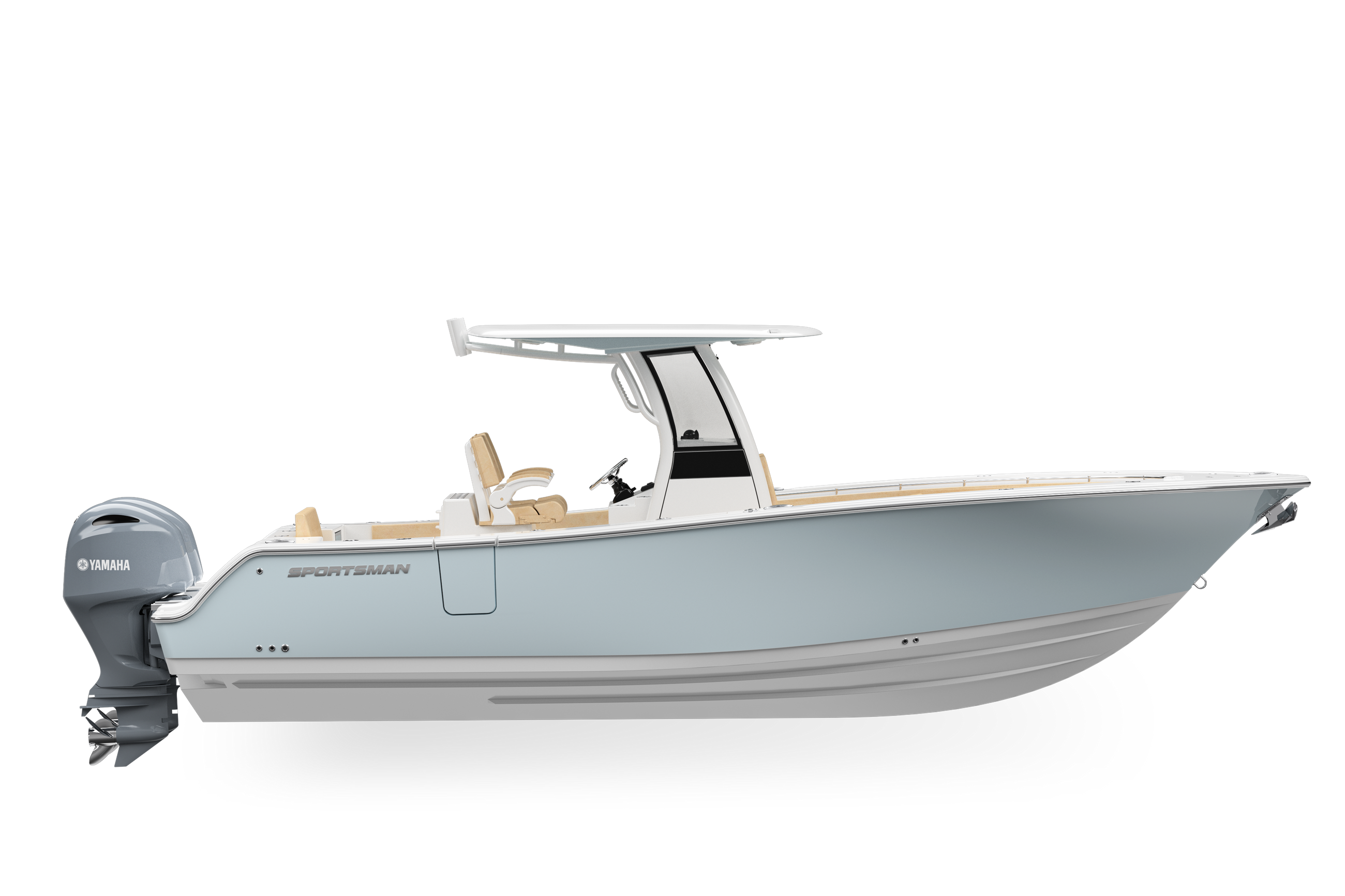
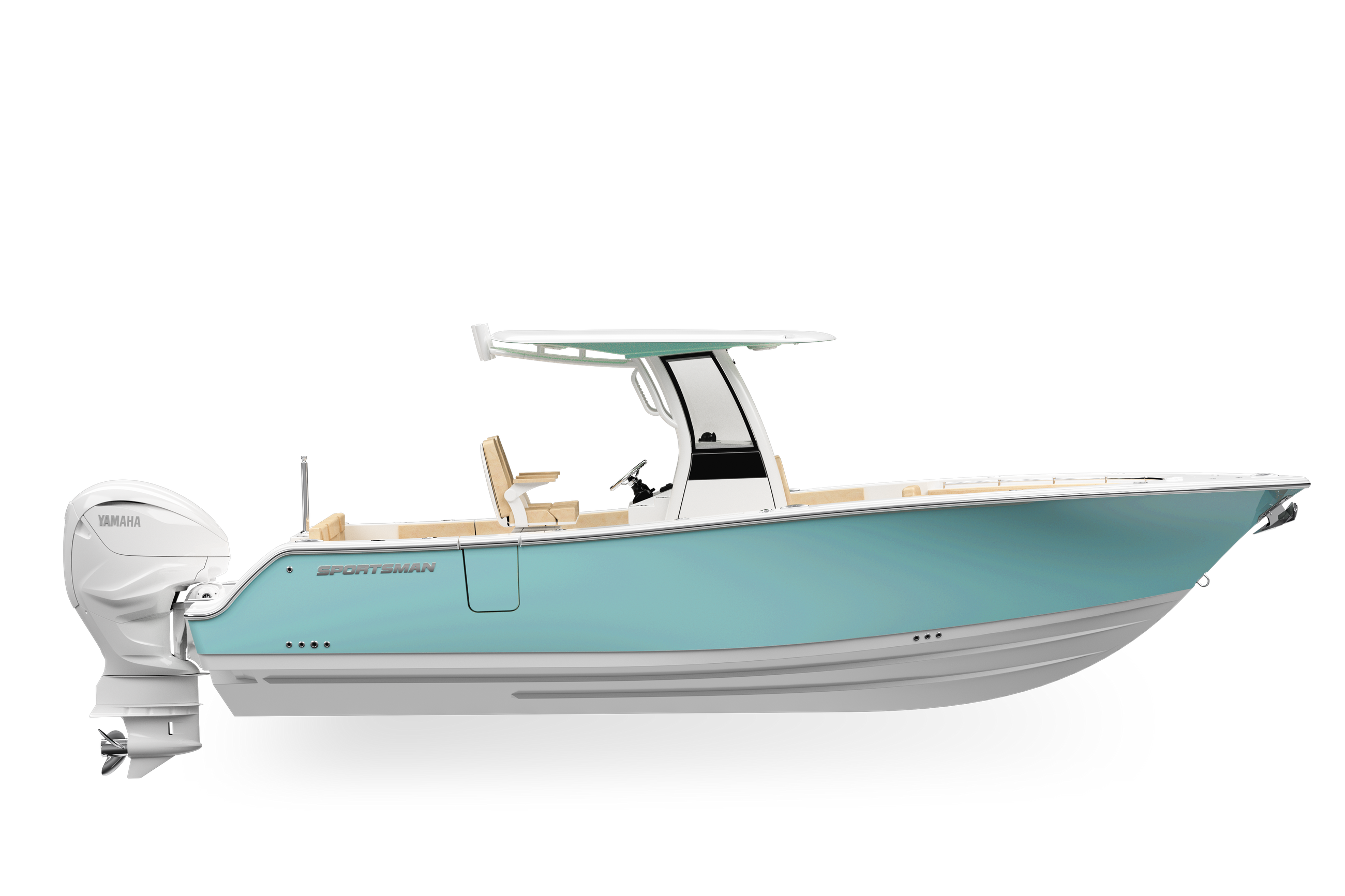
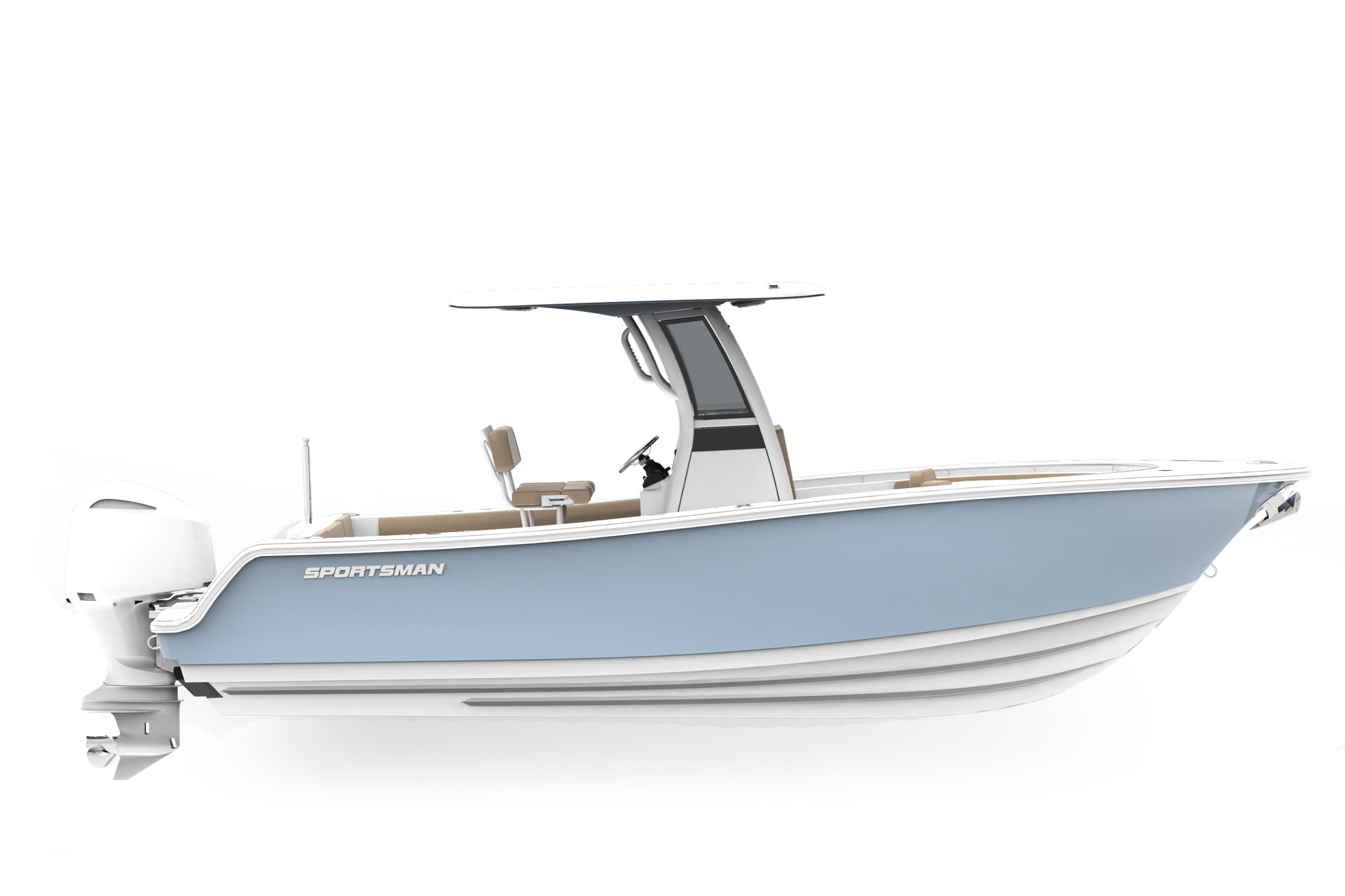
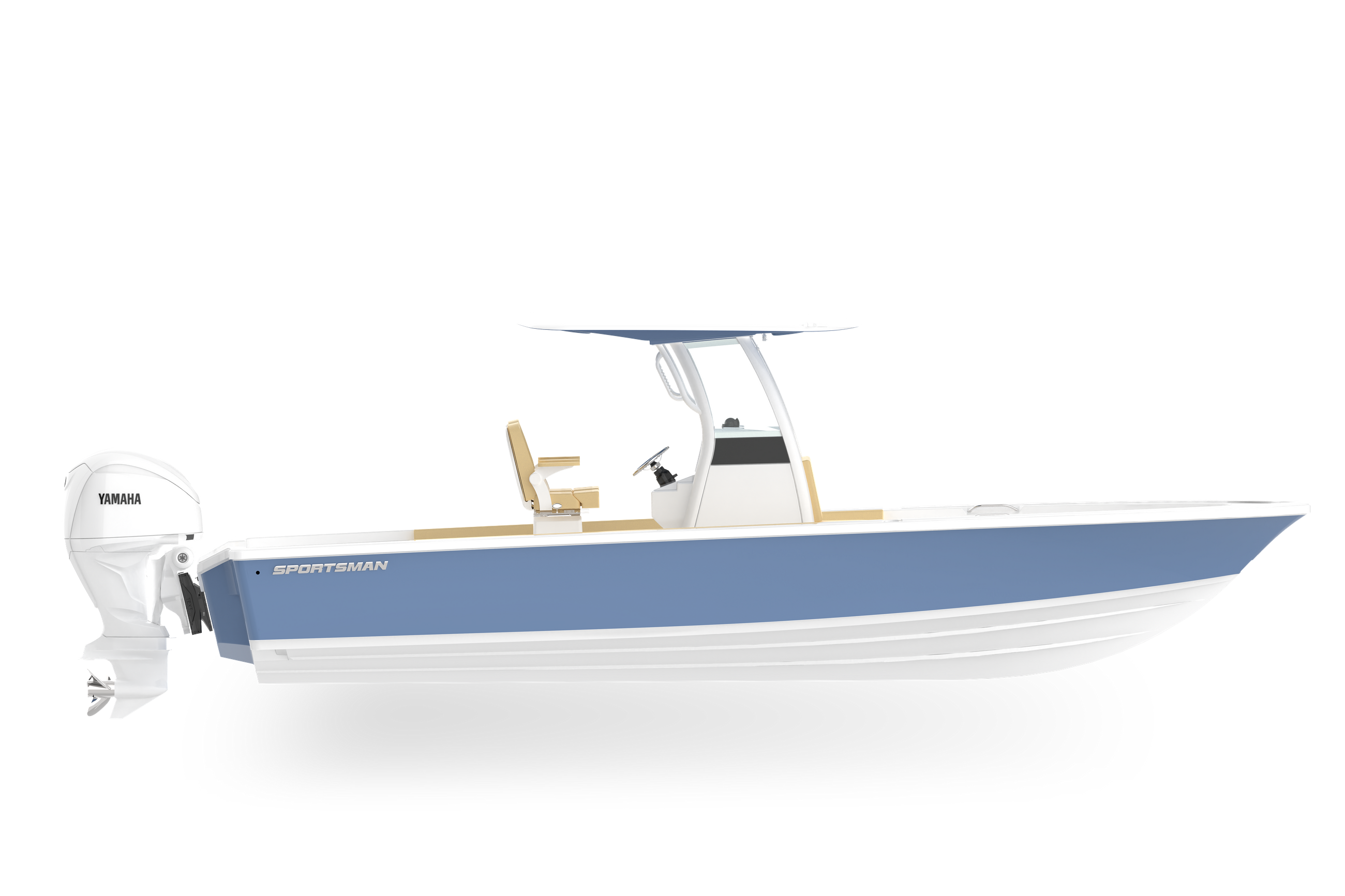
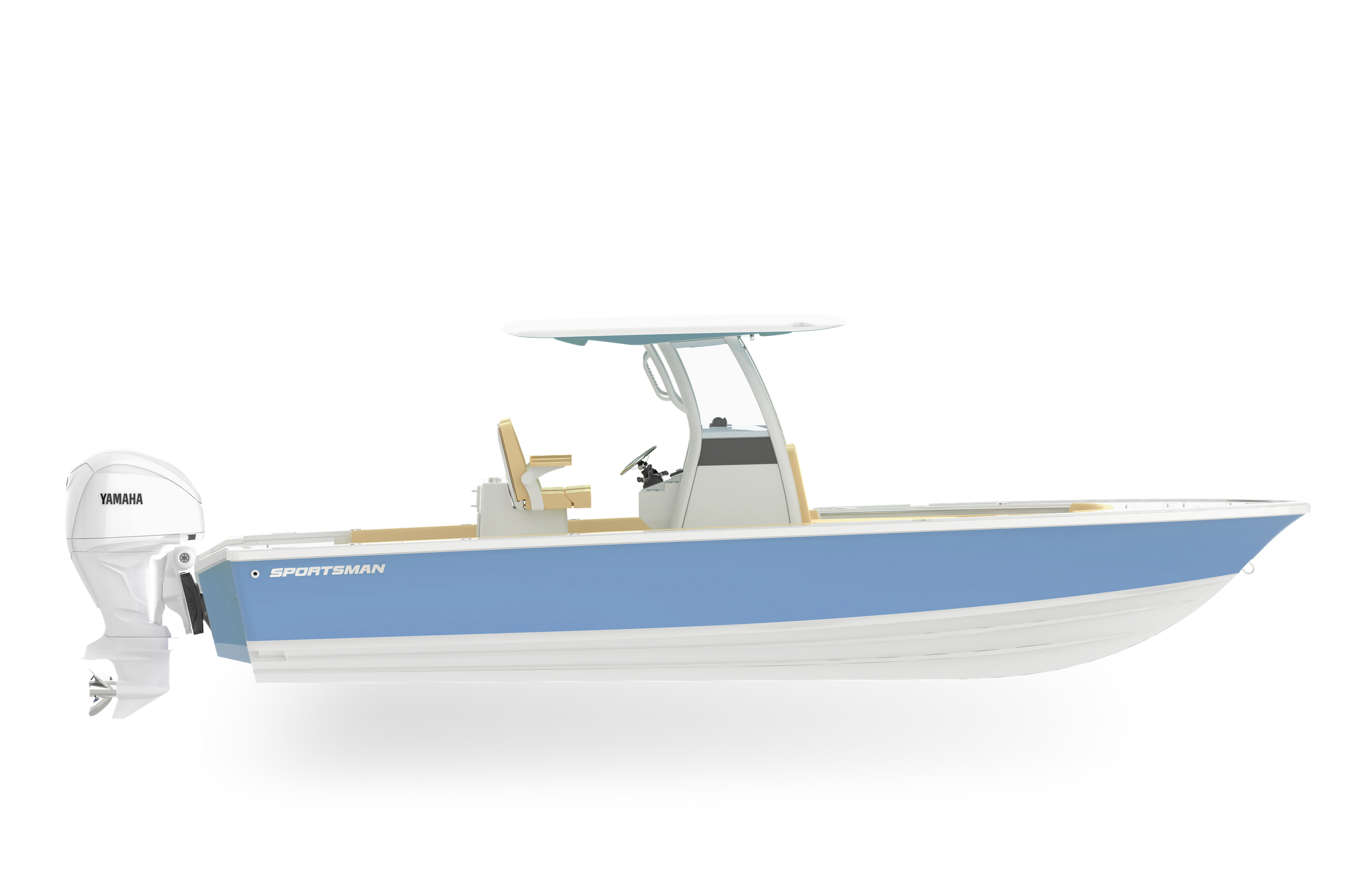
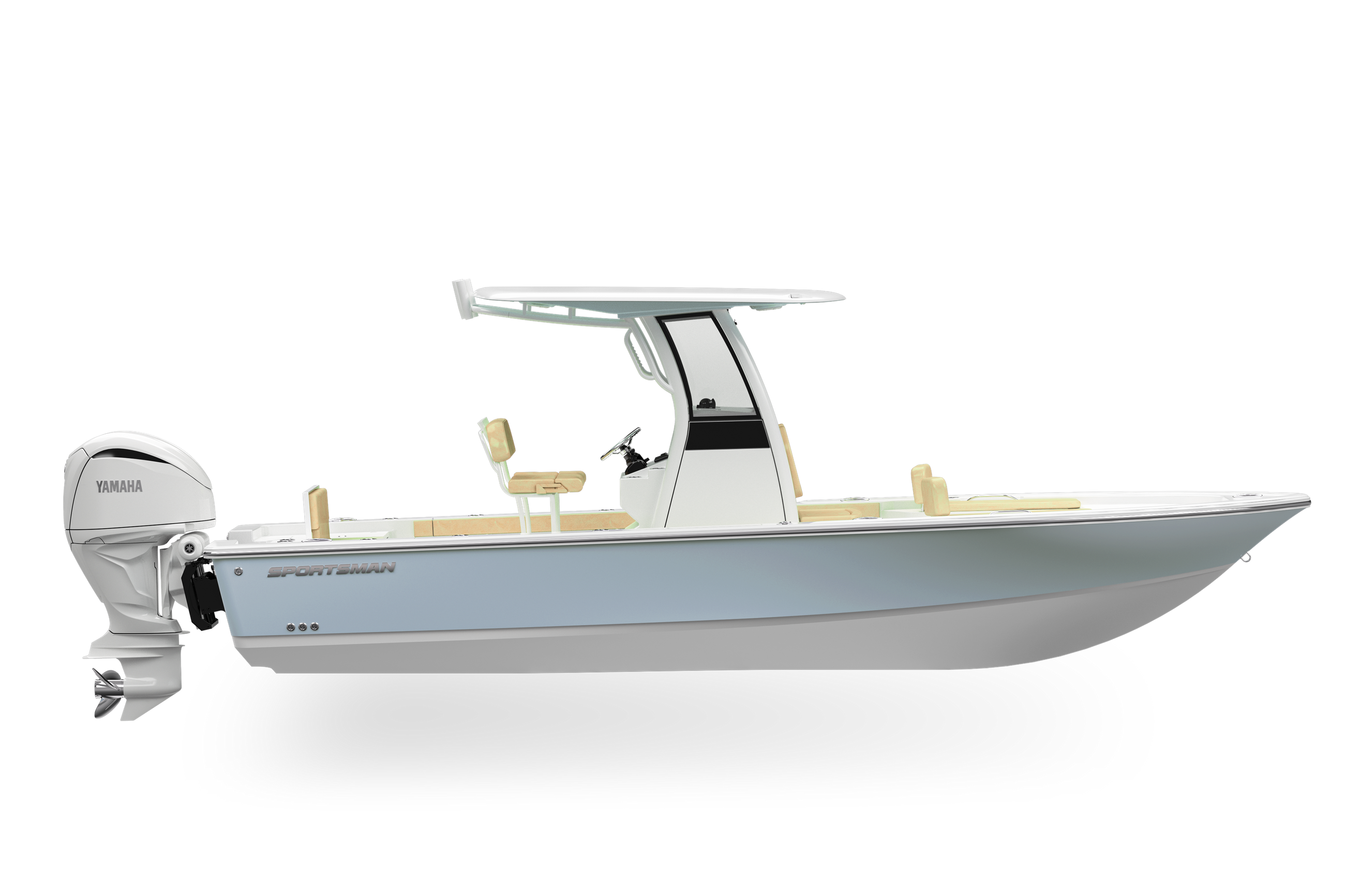
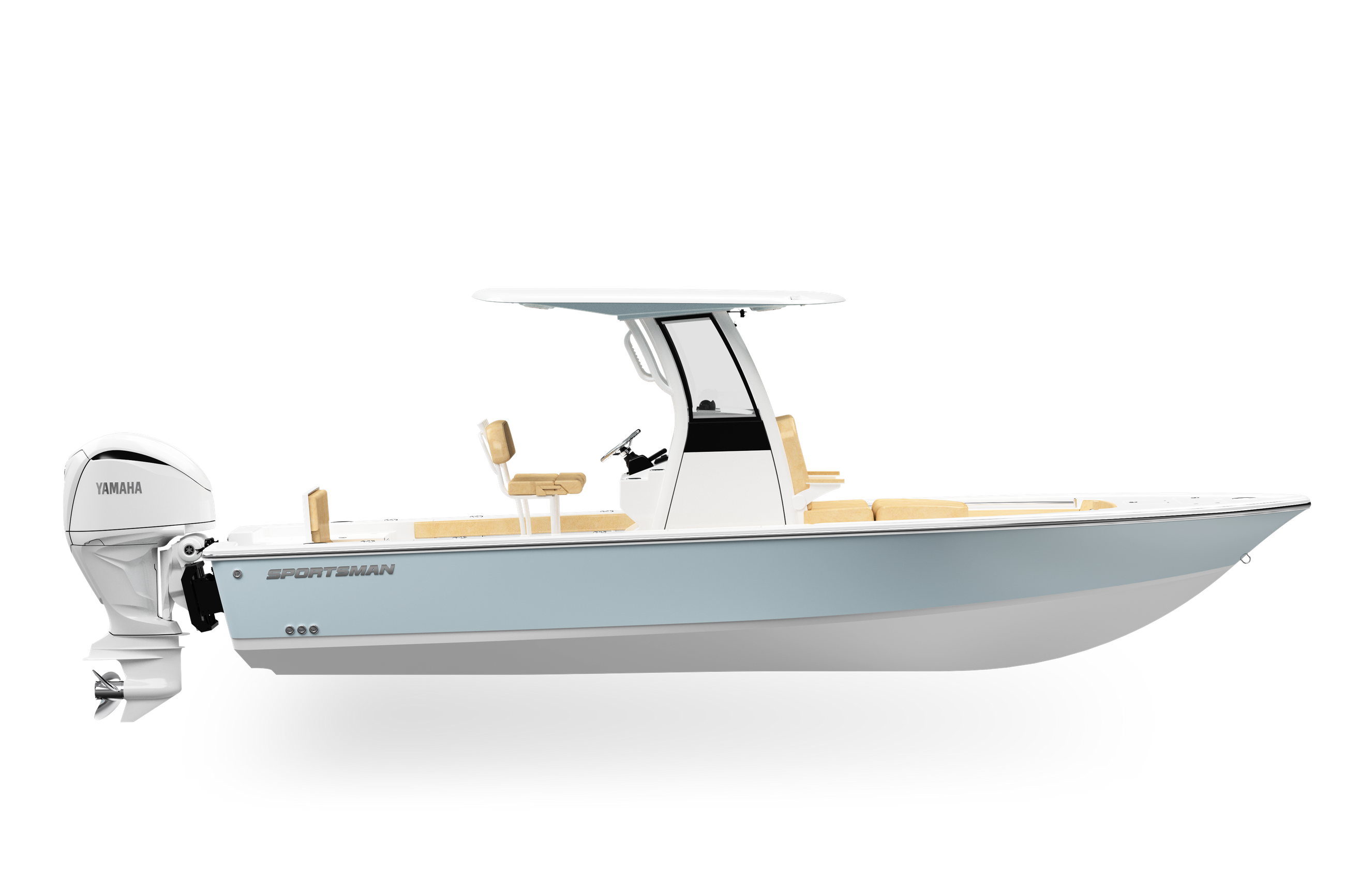
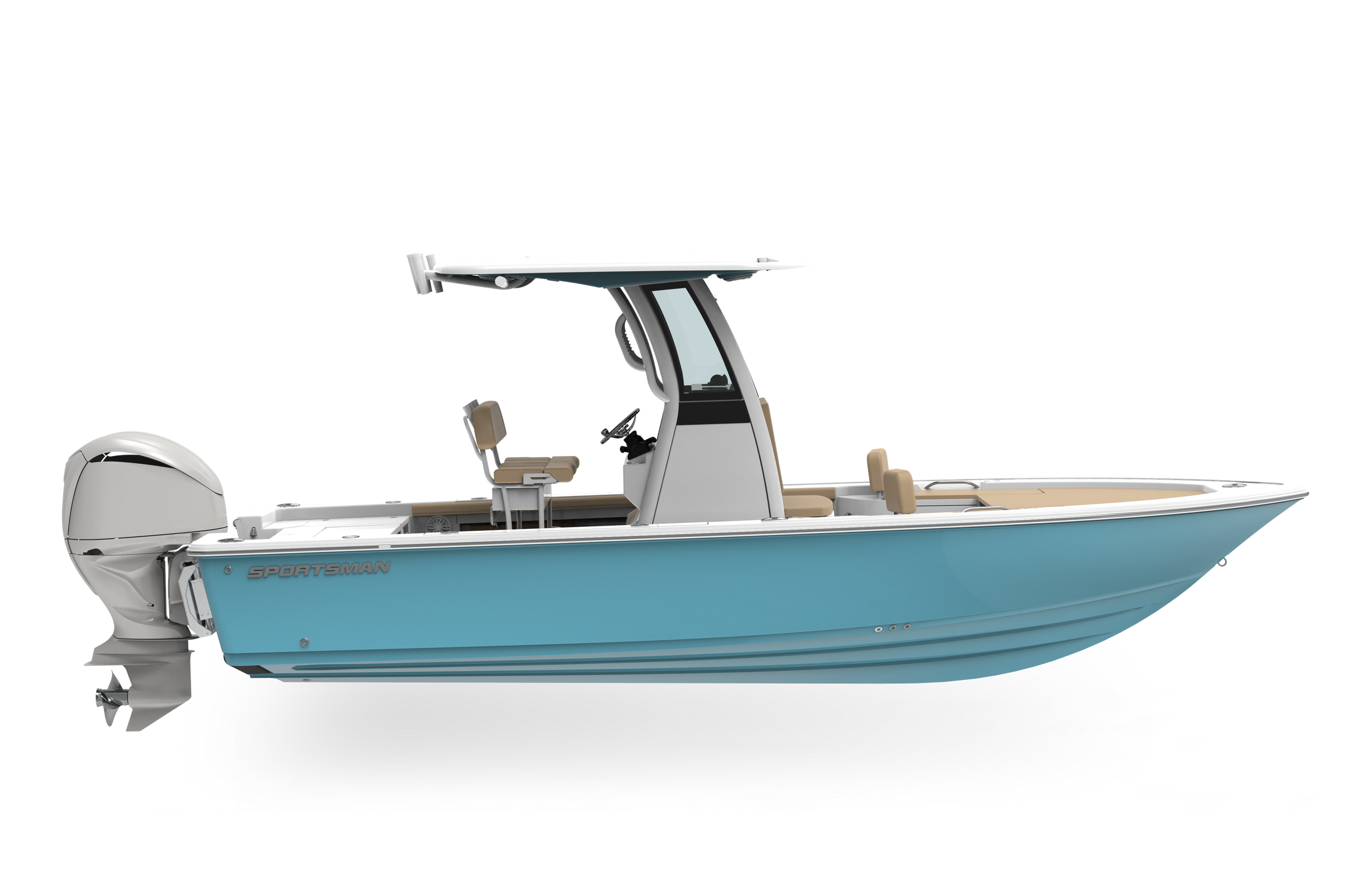
Navigating the Intracoastal Waterway requires awareness, patience and respect for others on the water. Learn simple etiquette and practical tips to help you boat safely, reduce wake and enjoy a smoother day on the ICW.
-
•Mind your wake and slow down near docks and anchored boats to prevent damage
-
•Keep right and pass left when overtaking and communicate clearly to prevent confusion
-
•Respect the vibe by keeping music at reasonable levels and avoiding aggressive maneuvers
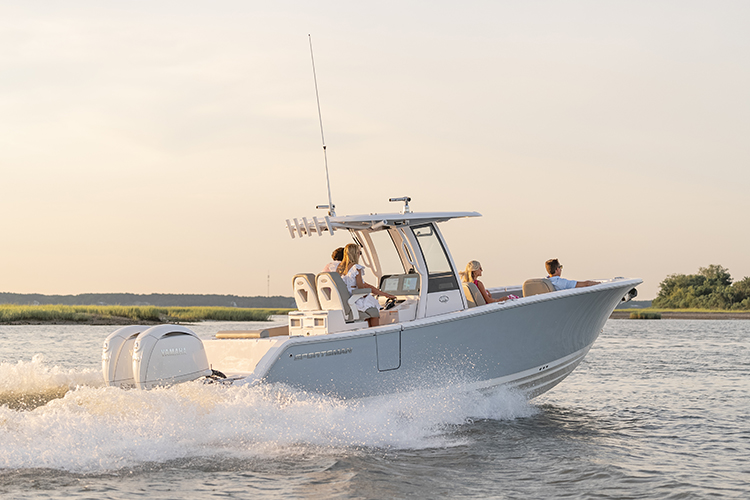
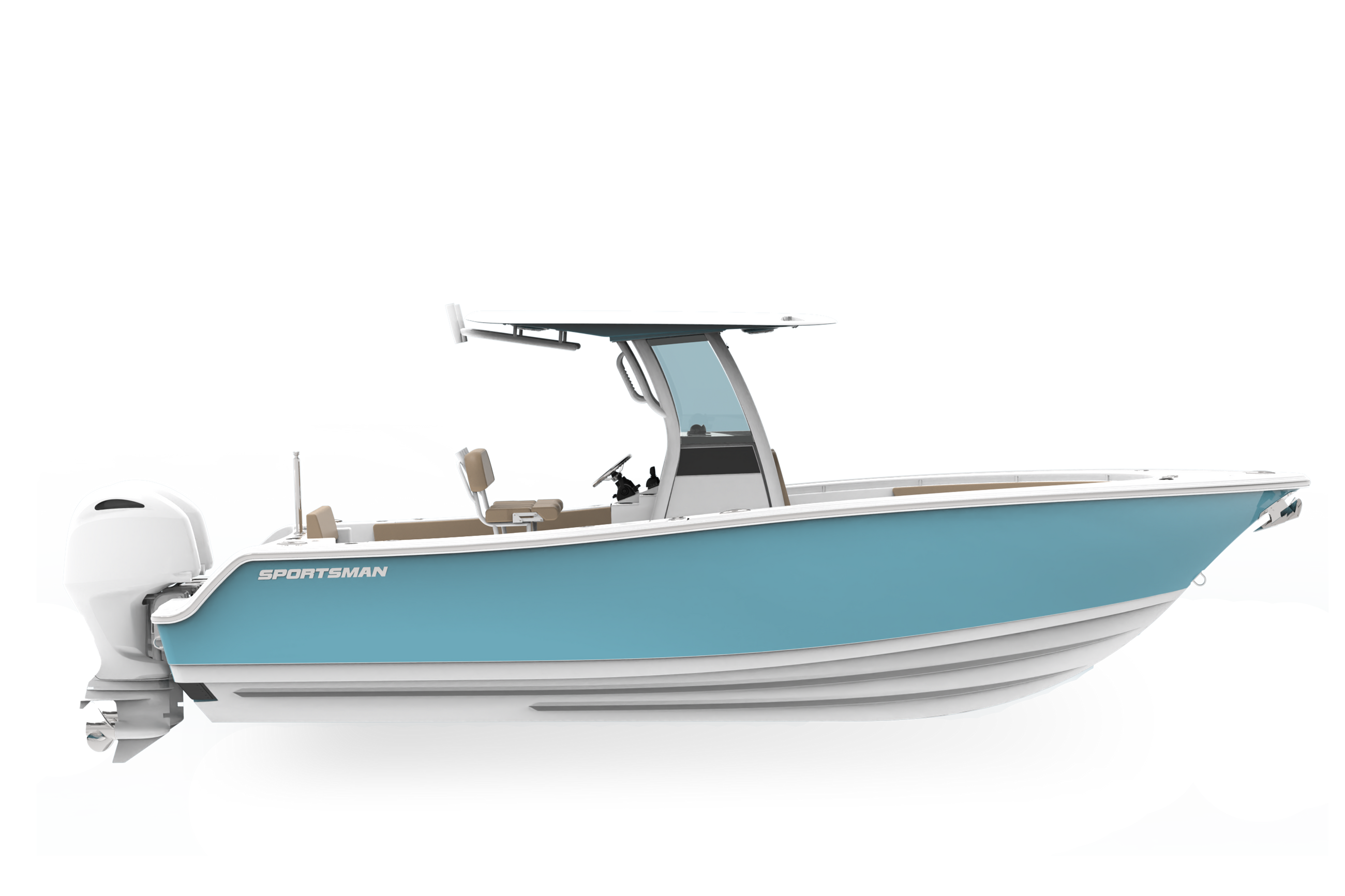
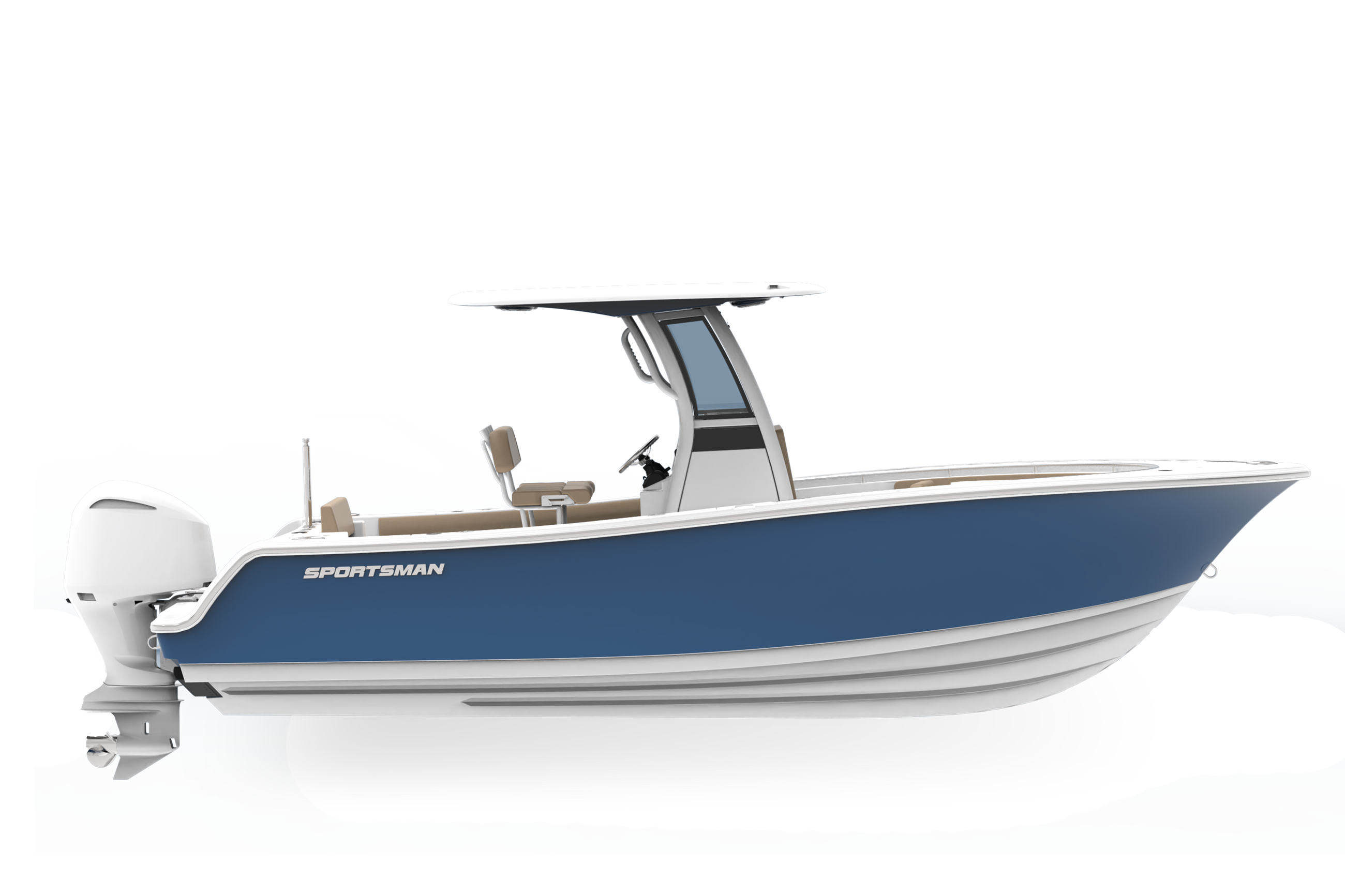
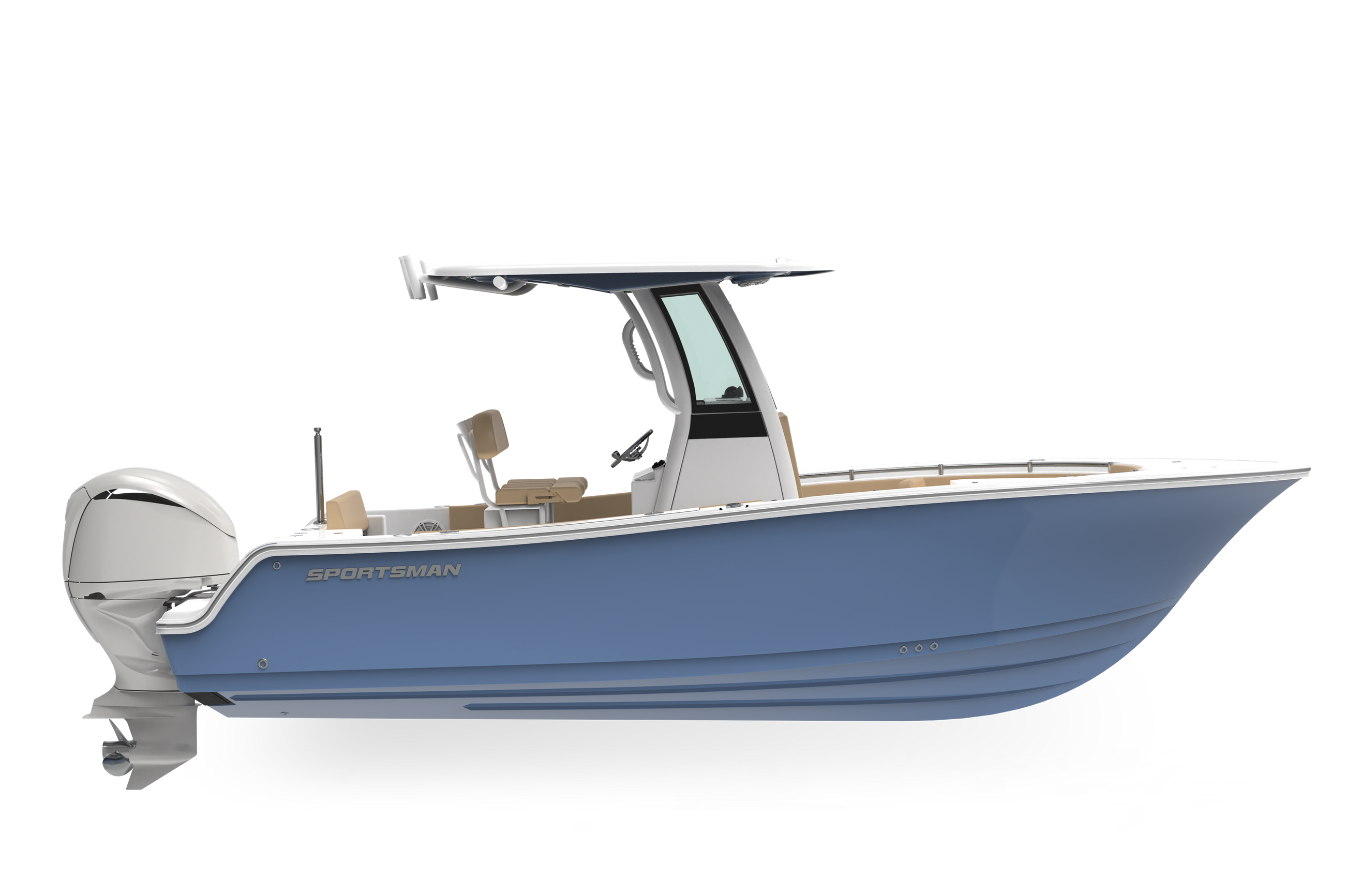
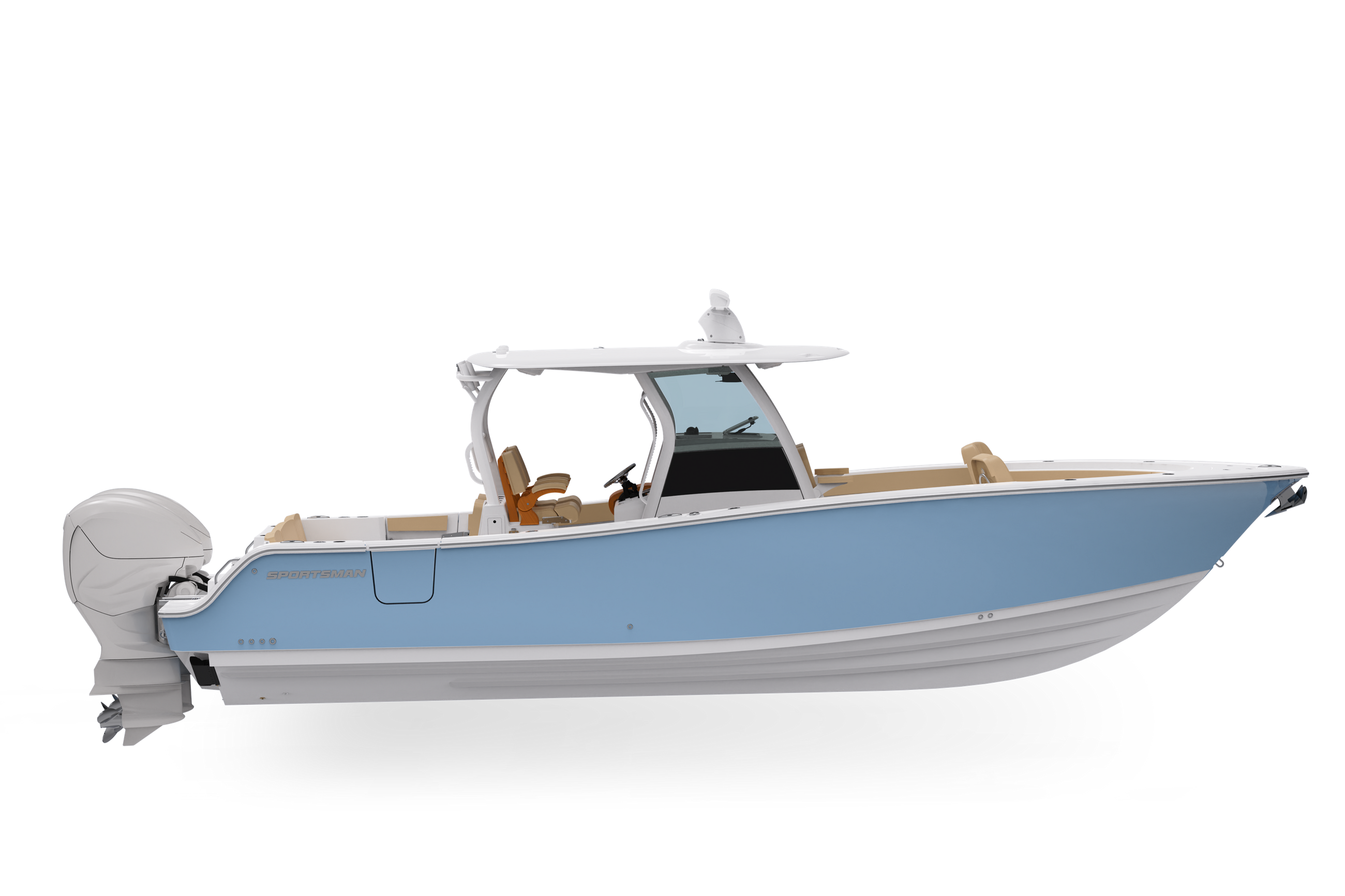
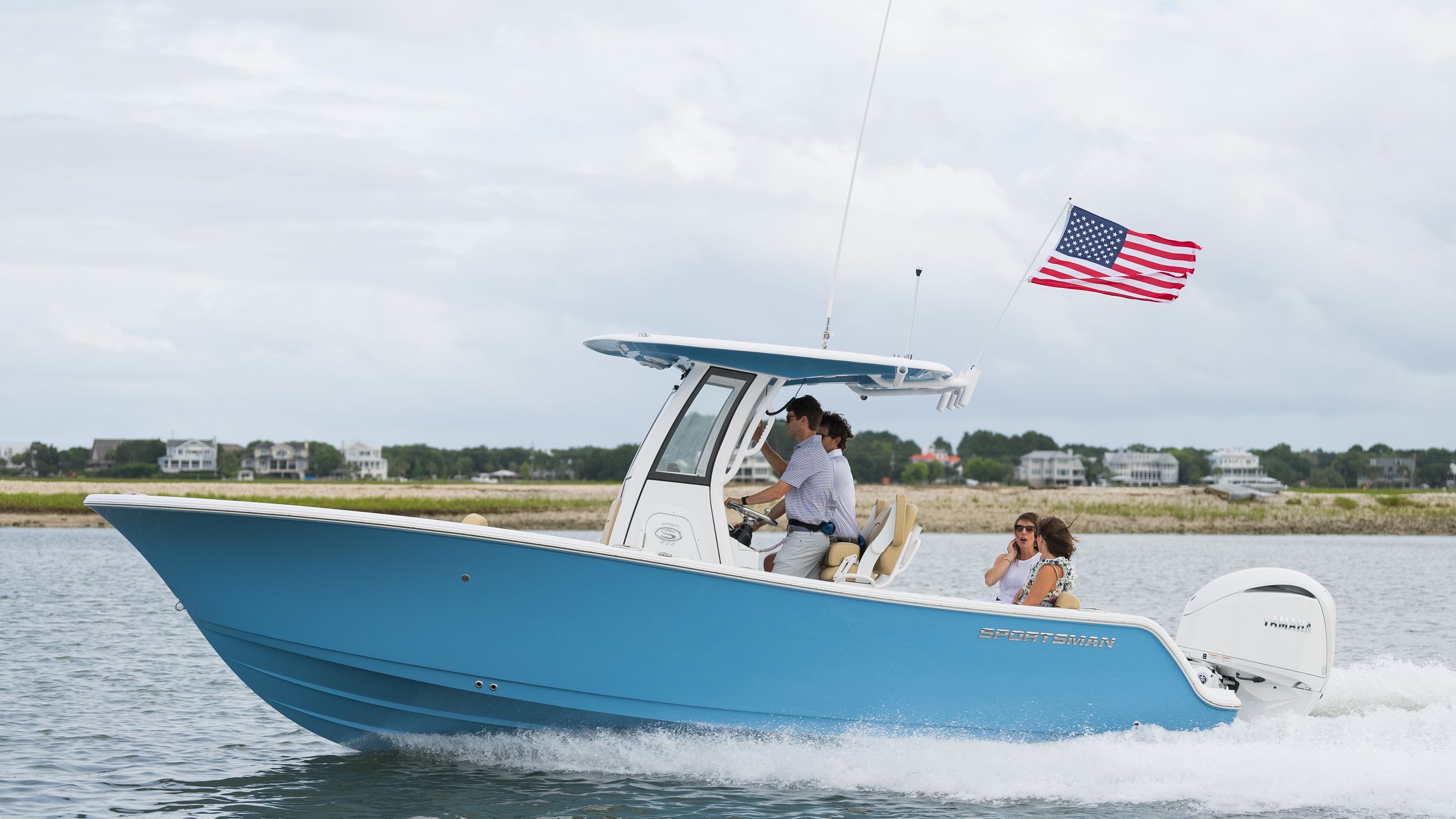
Center console boats are practically made for cruising the Intracoastal Waterway (ICW)—shallow draft, easy maneuverability, and open layouts that invite a relaxed day on the water. But with that freedom comes responsibility. The ICW is a shared, often narrow corridor used by anglers, cruisers, paddleboarders, and commercial traffic alike. A little etiquette goes a long way toward keeping things safe and enjoyable for everyone.
First and foremost: mind your wake. Many sections of the ICW are lined with docks, seawalls, and anchored boats that are vulnerable to excessive wake. Even if you’re not in a clearly marked no-wake zone, slowing down when passing close to others shows respect and prevents damage. Center consoles can jump on plane quickly, so use that power thoughtfully.
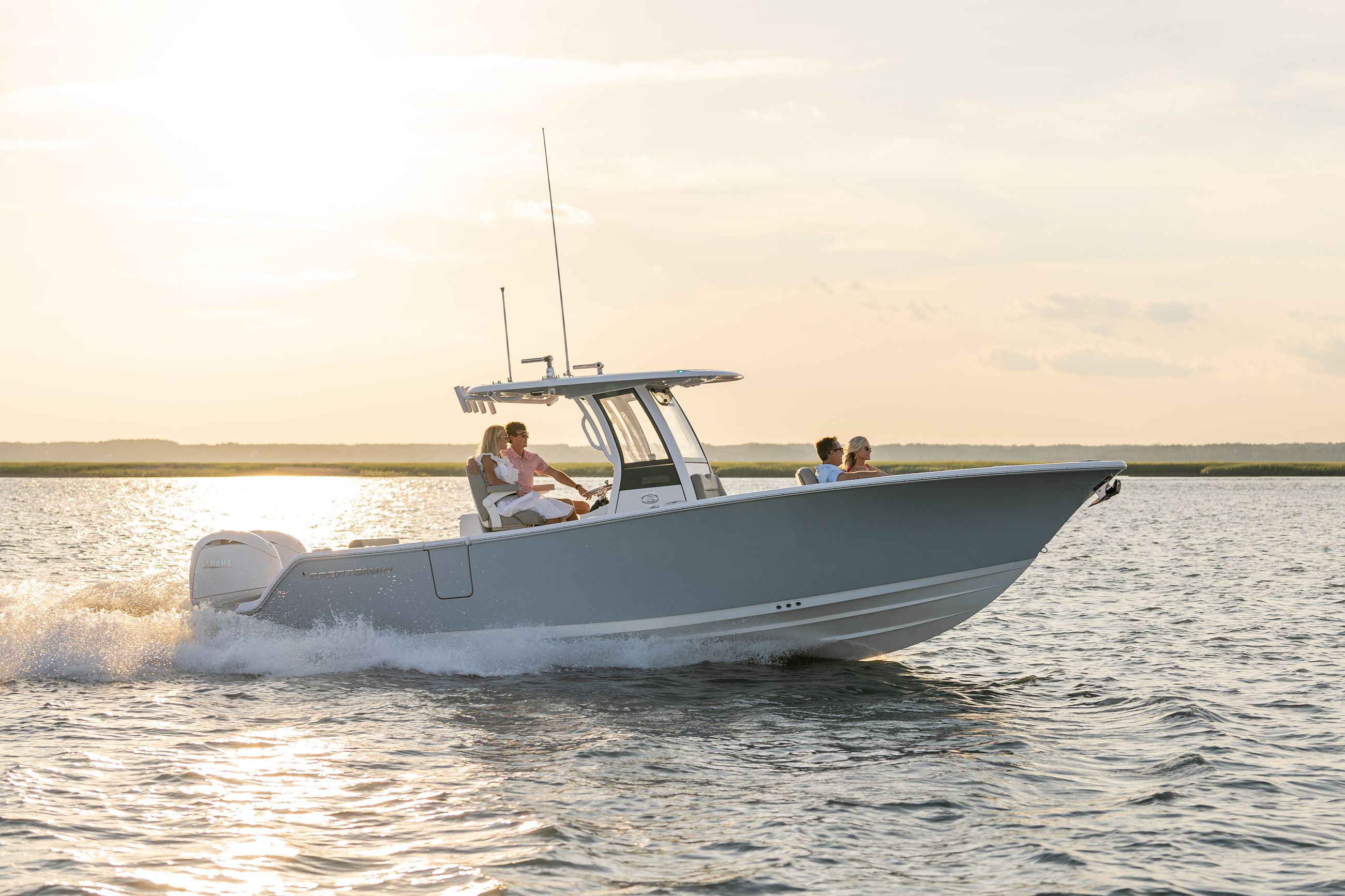
Keep right, pass left is a good general rule, much like driving. When approaching another vessel head-on, favor the starboard (right) side. If you need to overtake a slower boat, do so on their port (left) side when safe, and give a wide berth. Communication, whether via hand signals, horn, or VHF radio, can prevent confusion.
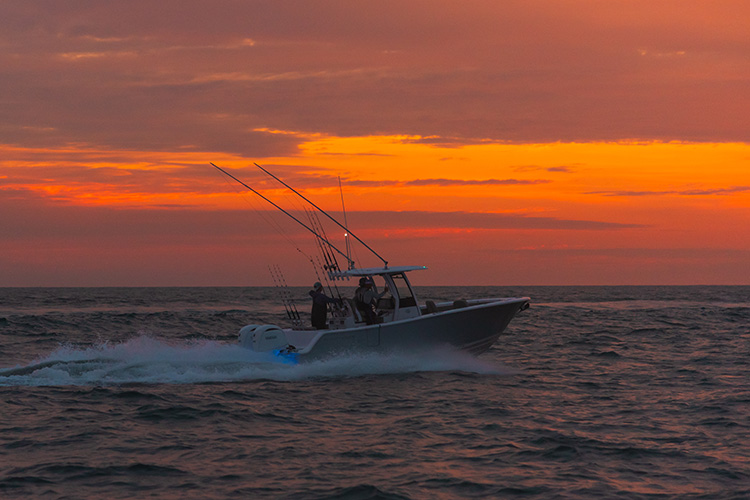
Fishing is a huge part of ICW life, and center consoles are often right in the mix. If someone is anchored or drifting with lines out, don’t cut too close. Give anglers space to work without having to worry about your wake impacting their safety.
Be mindful at inlets, bridges, and narrow cuts. These are choke points where currents, tides, and traffic converge. Reduce speed, stay alert, and avoid sudden maneuvers. Bigger vessels may be limited in their ability to change course, so give them priority.
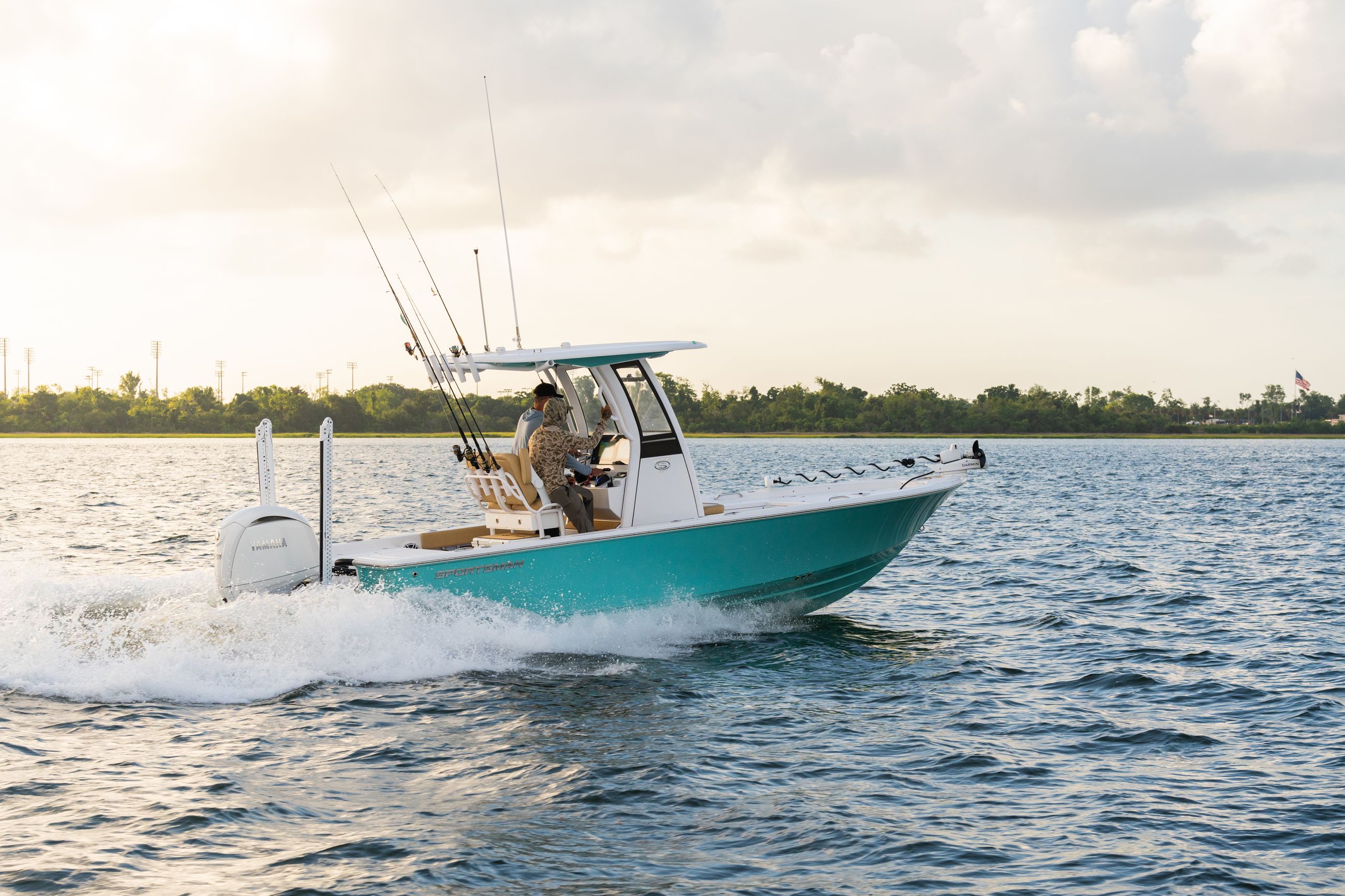
Finally, respect the vibe. The ICW isn’t a racetrack—it’s a scenic route. Music blasting at full volume, aggressive maneuvering, or weaving through traffic takes away from the experience for others. A courteous captain stands out more than a fast one.
Boating etiquette isn’t about strict rules—it’s about awareness, patience, and respect. Master that, and your time on the ICW will be smoother, safer, and far more enjoyable.
Related Posts
Discover the versatility and capability of bay boats in this guide from Sportsman. Our Masters series bay boats offer the perfect combinatio...
Read More