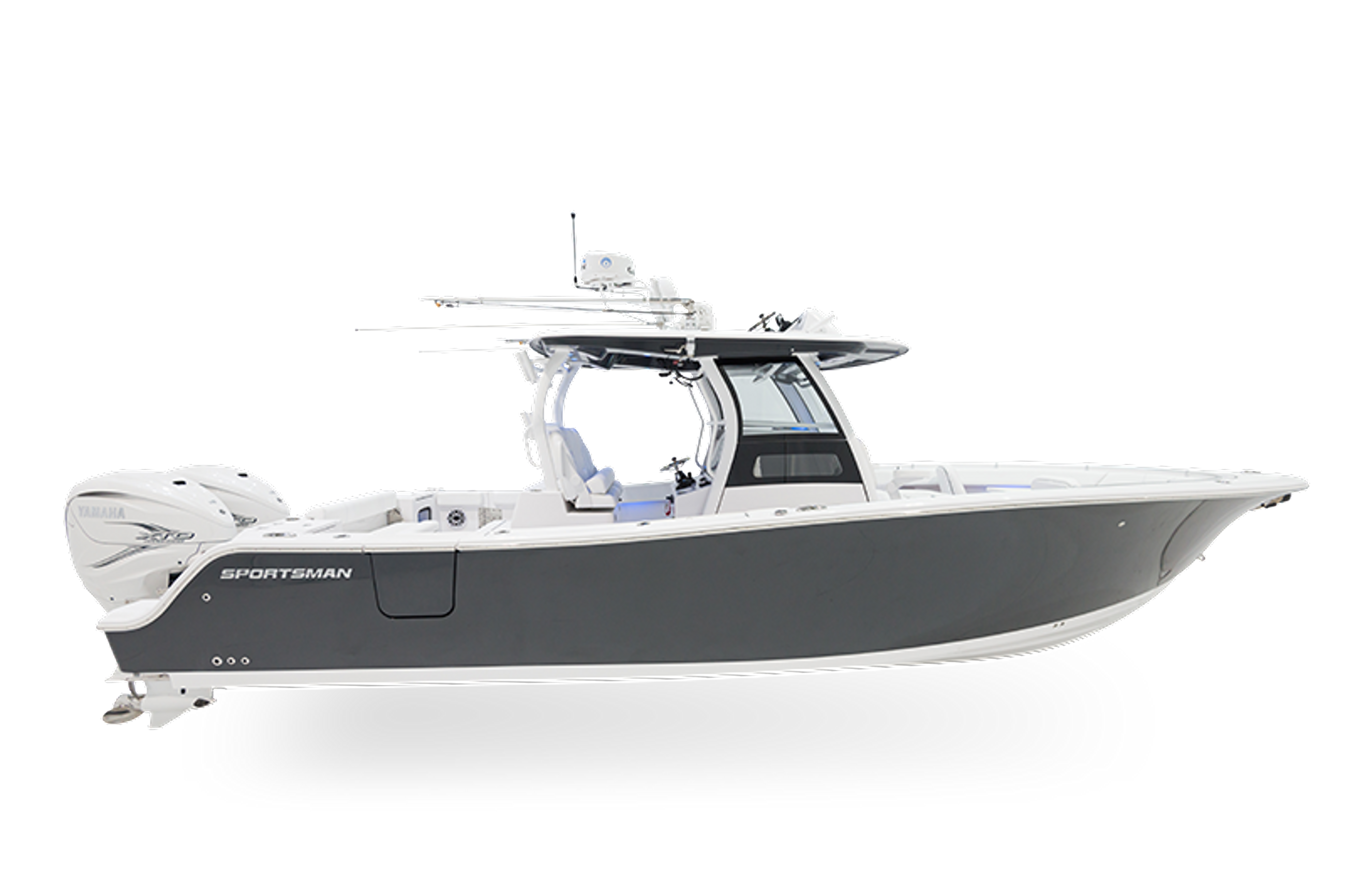
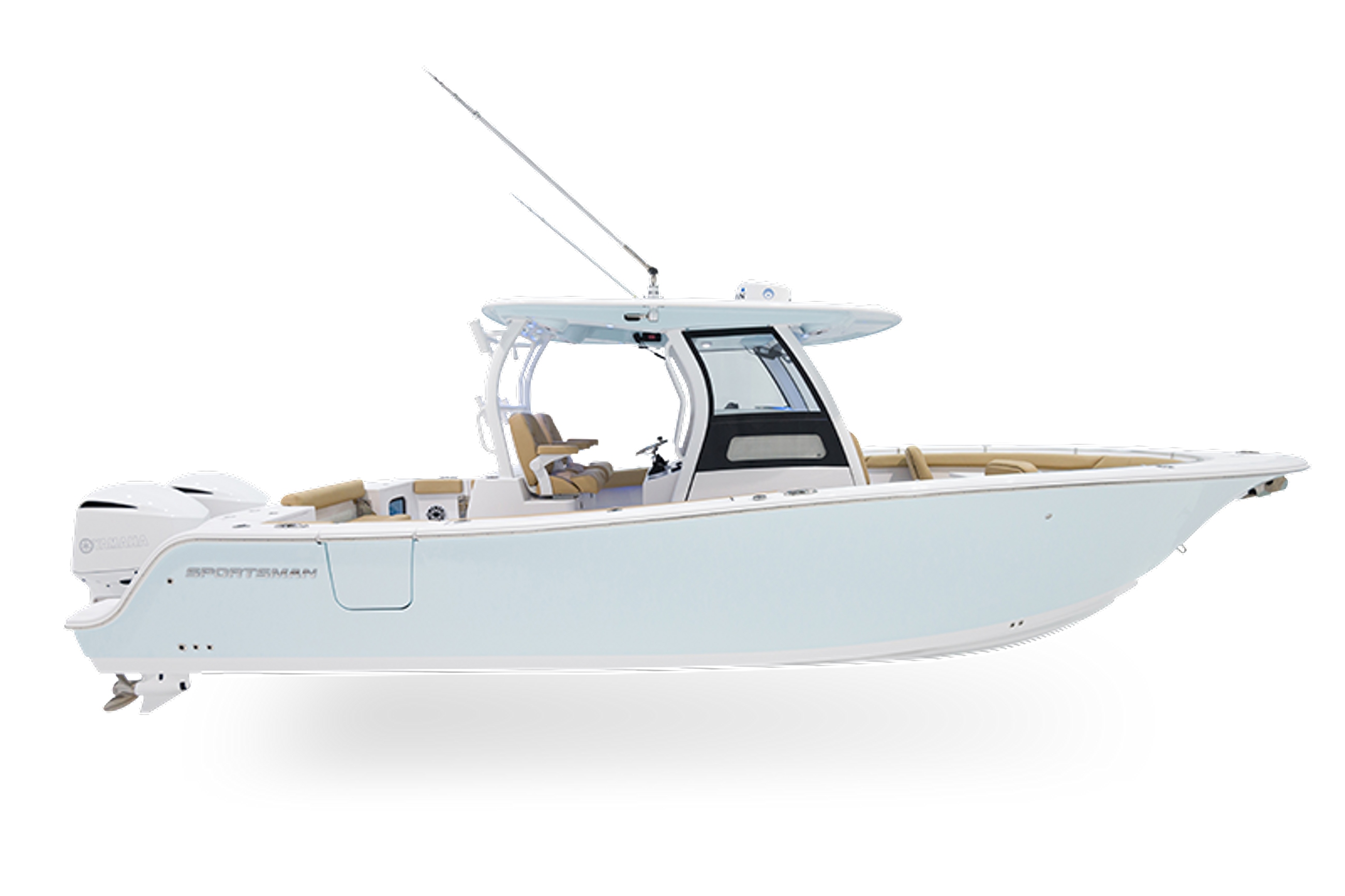
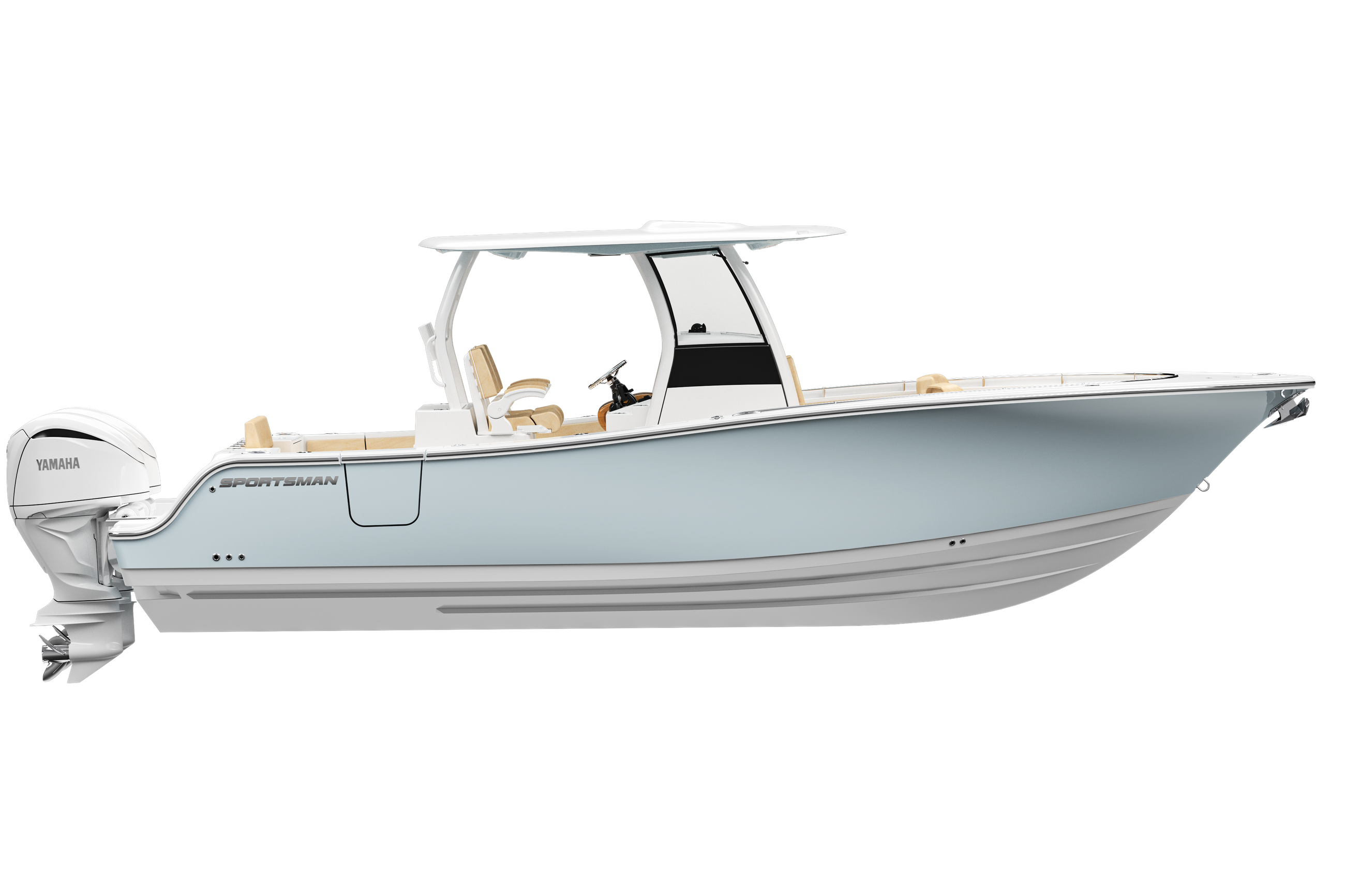
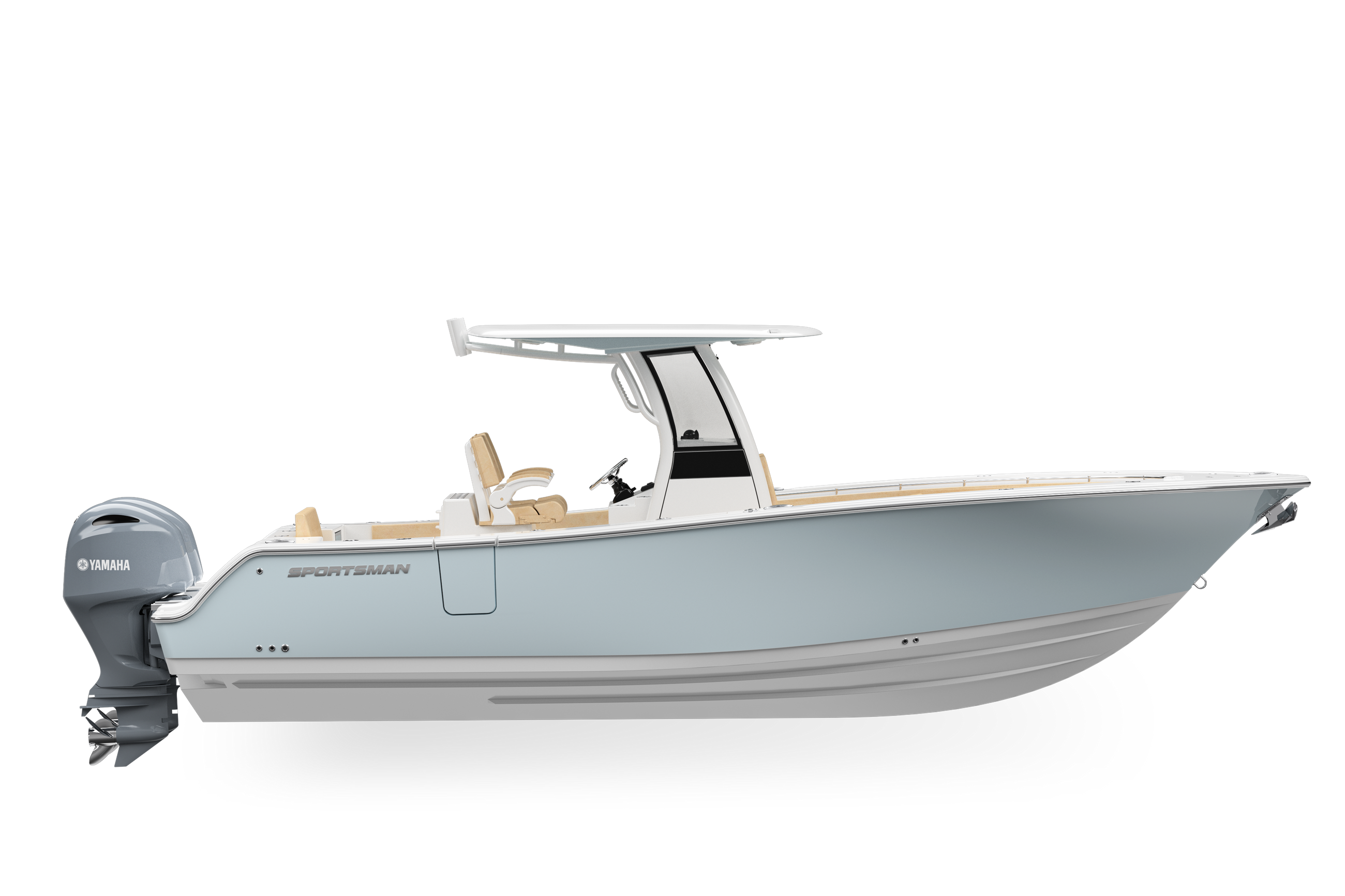
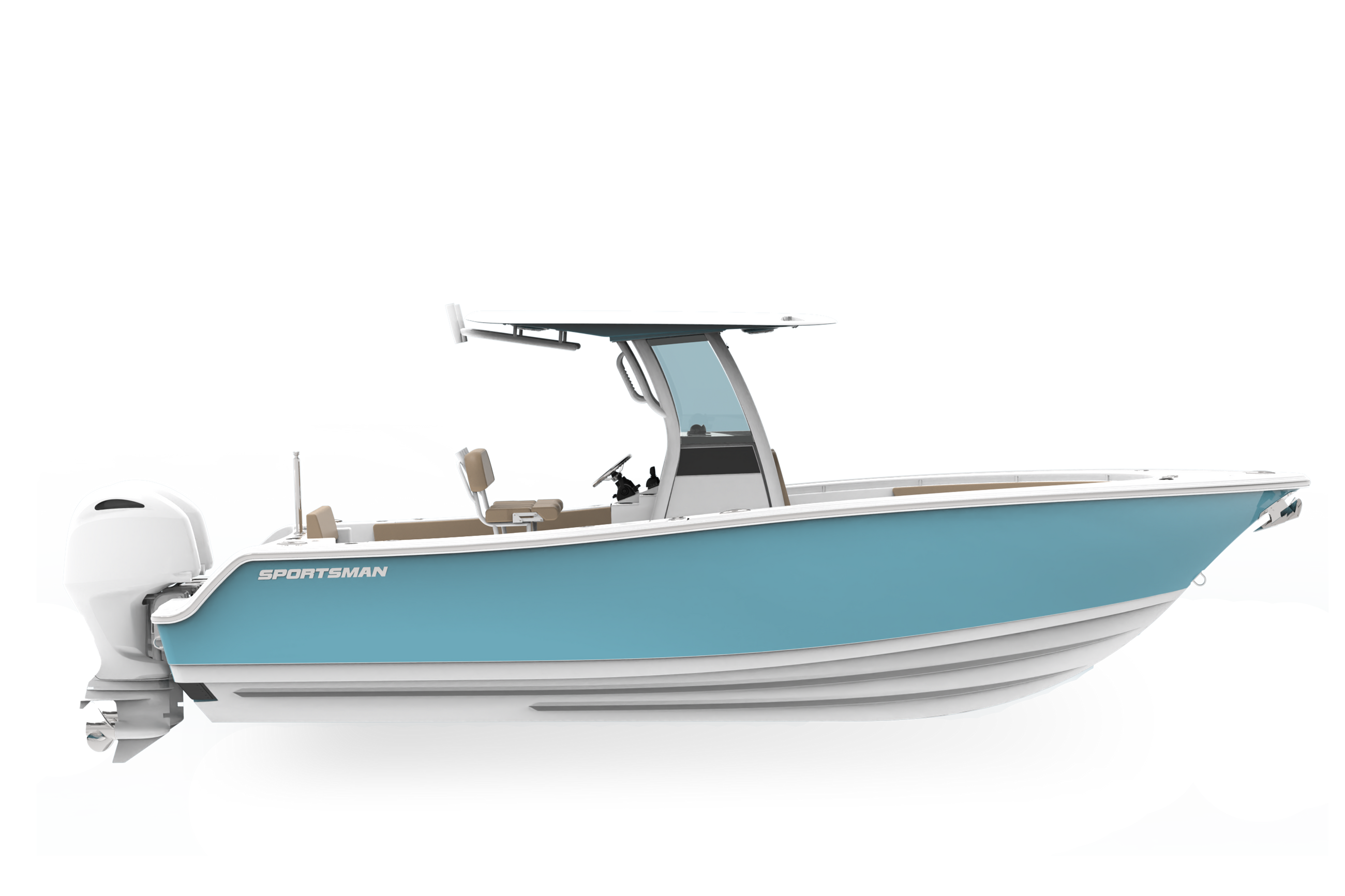
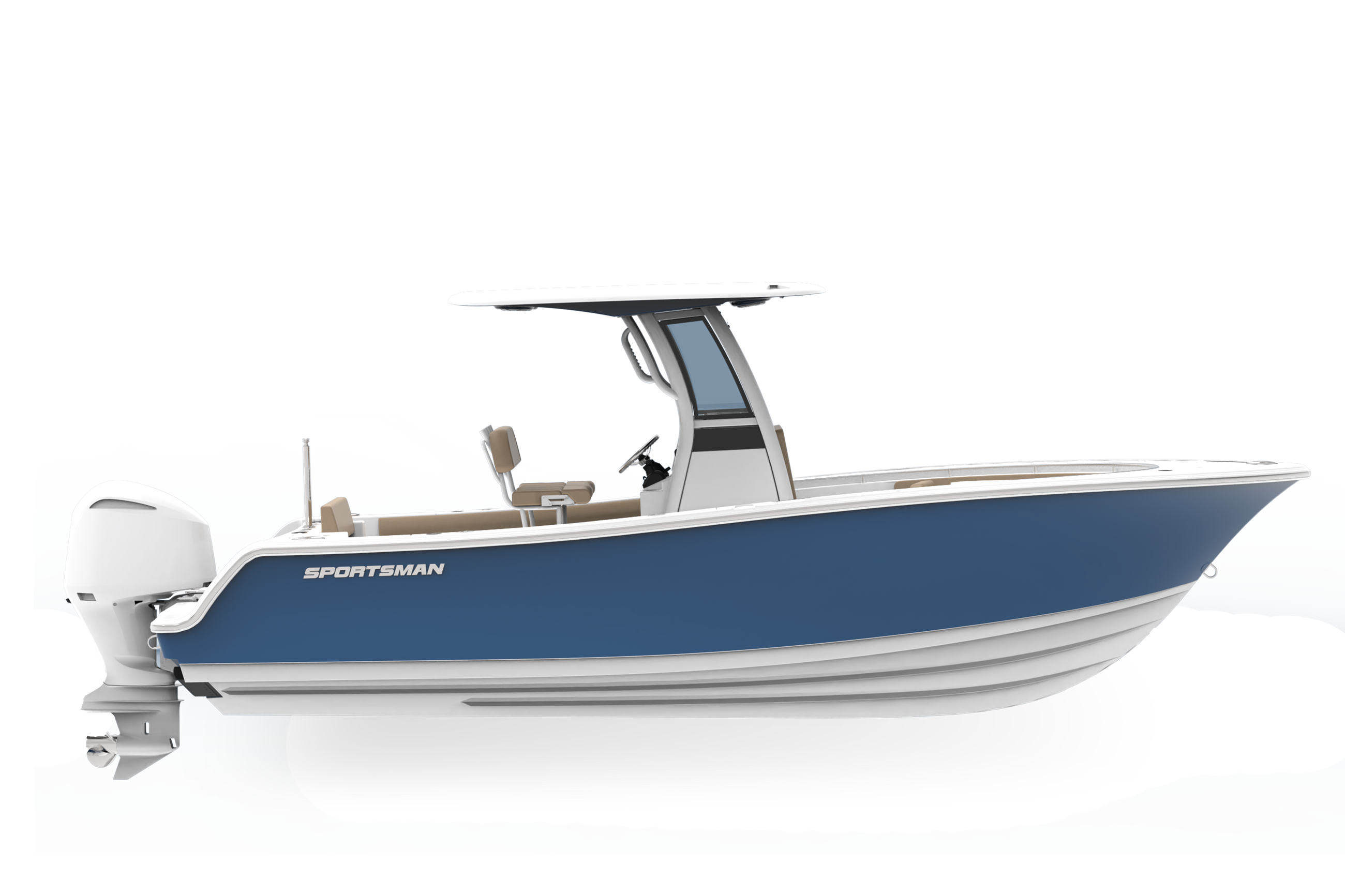
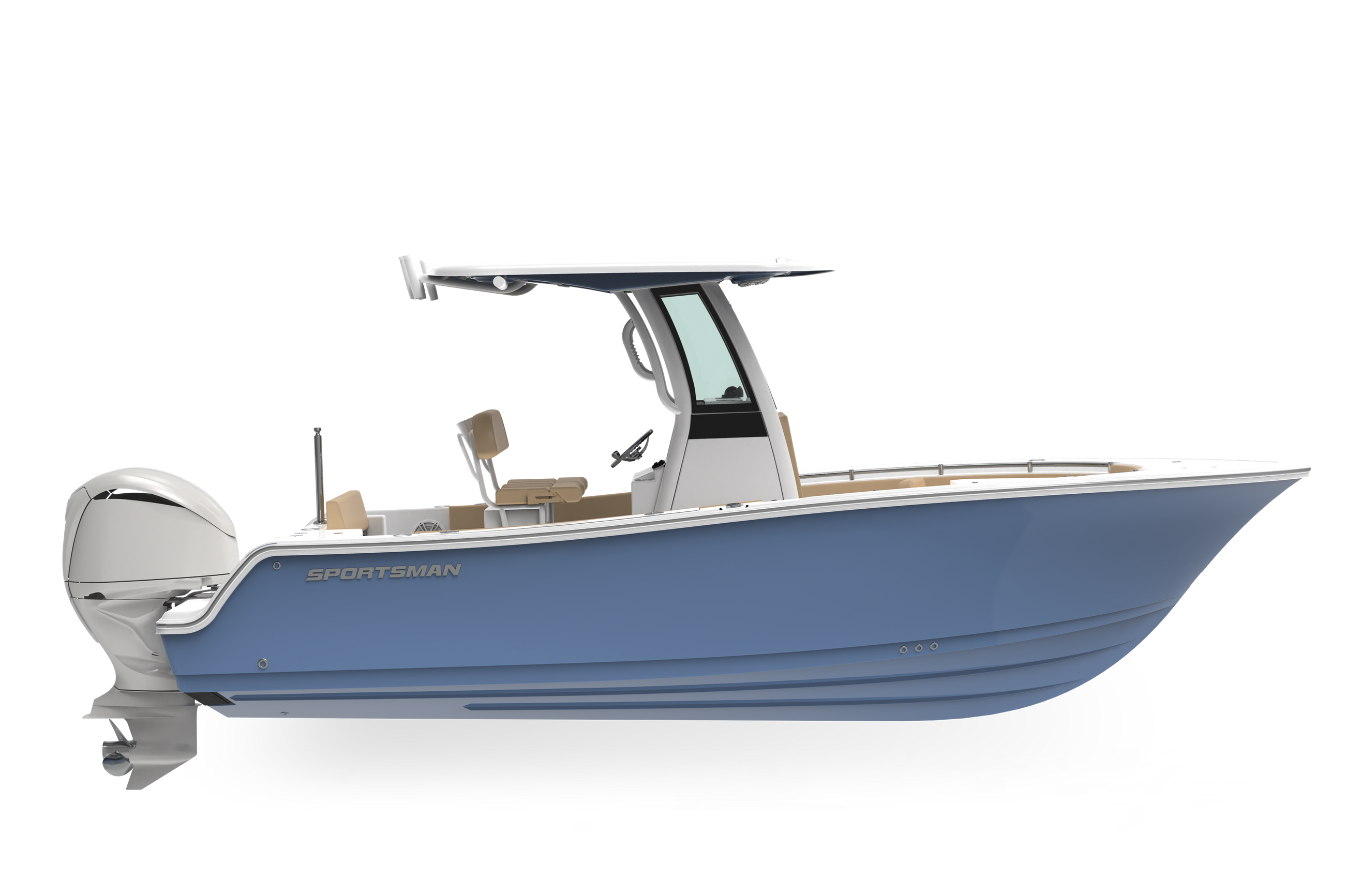
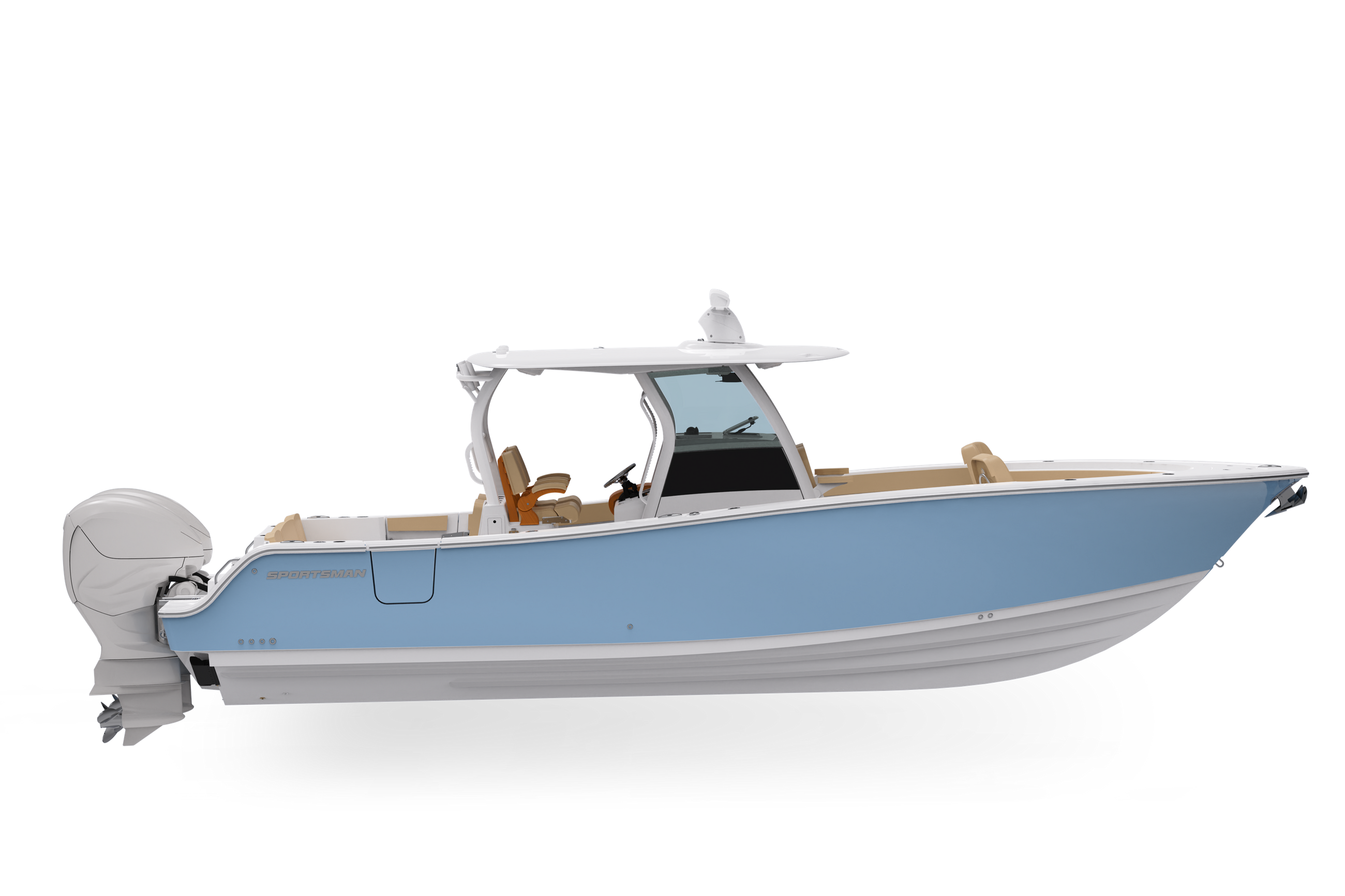
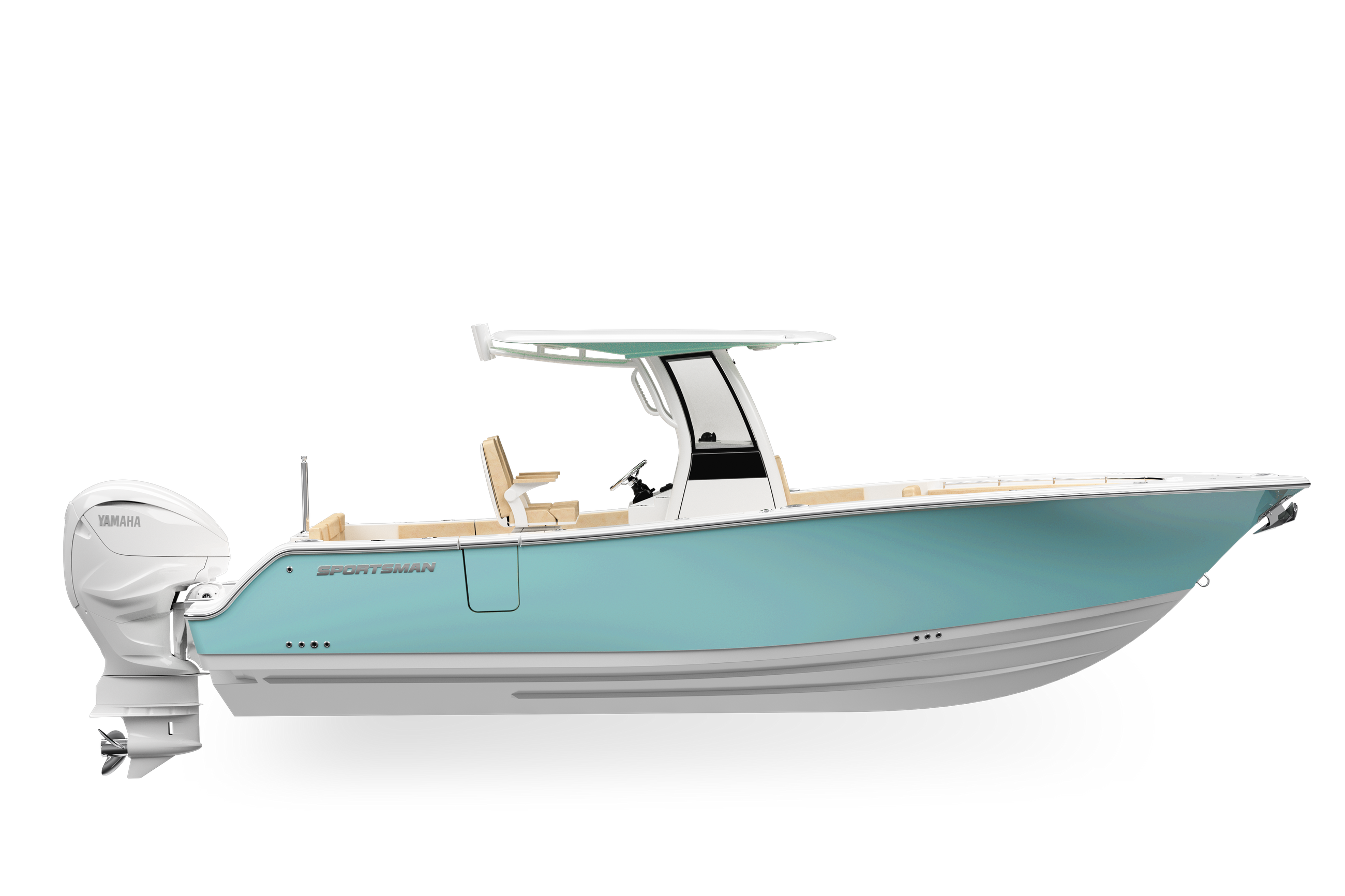
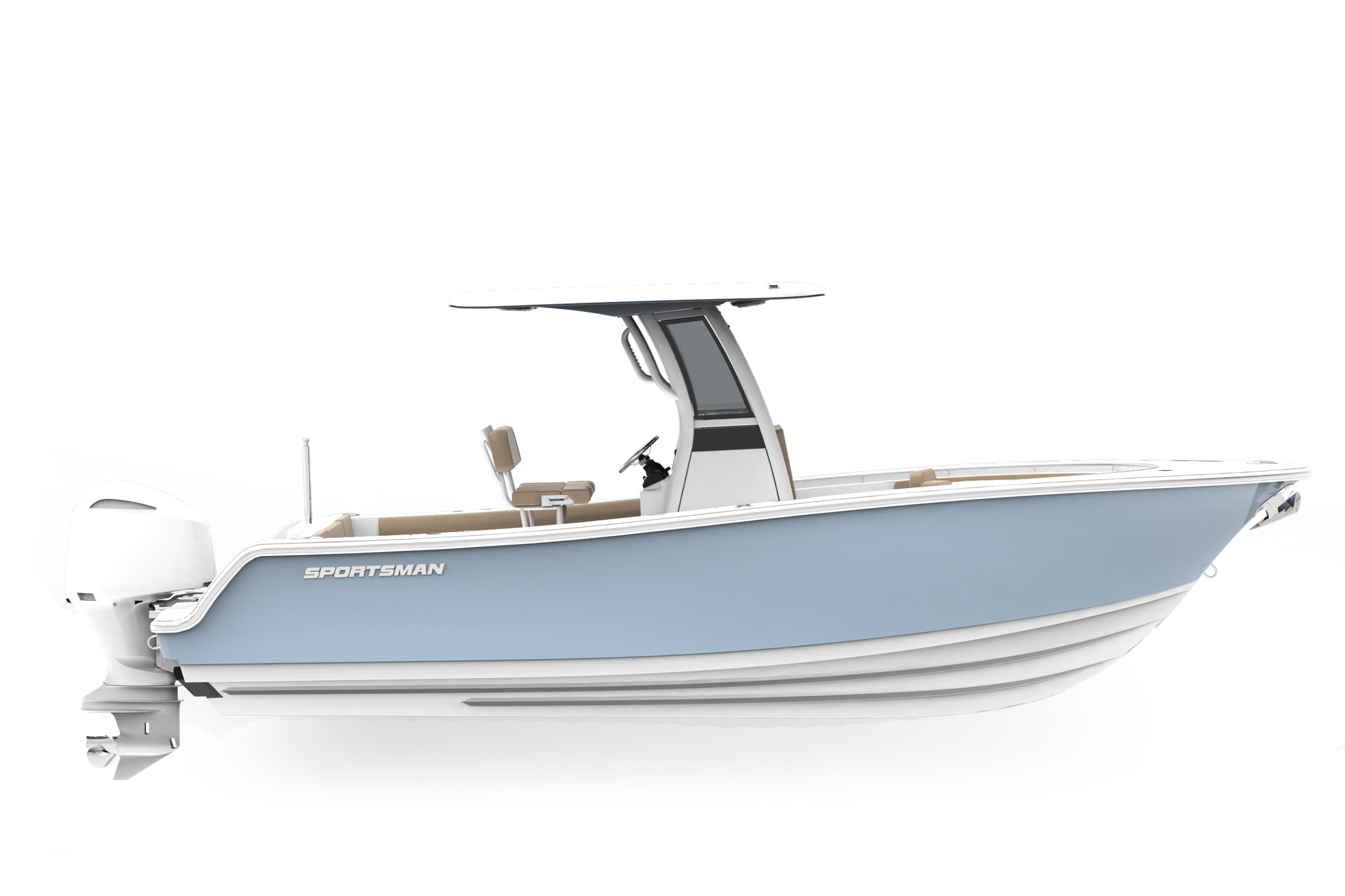
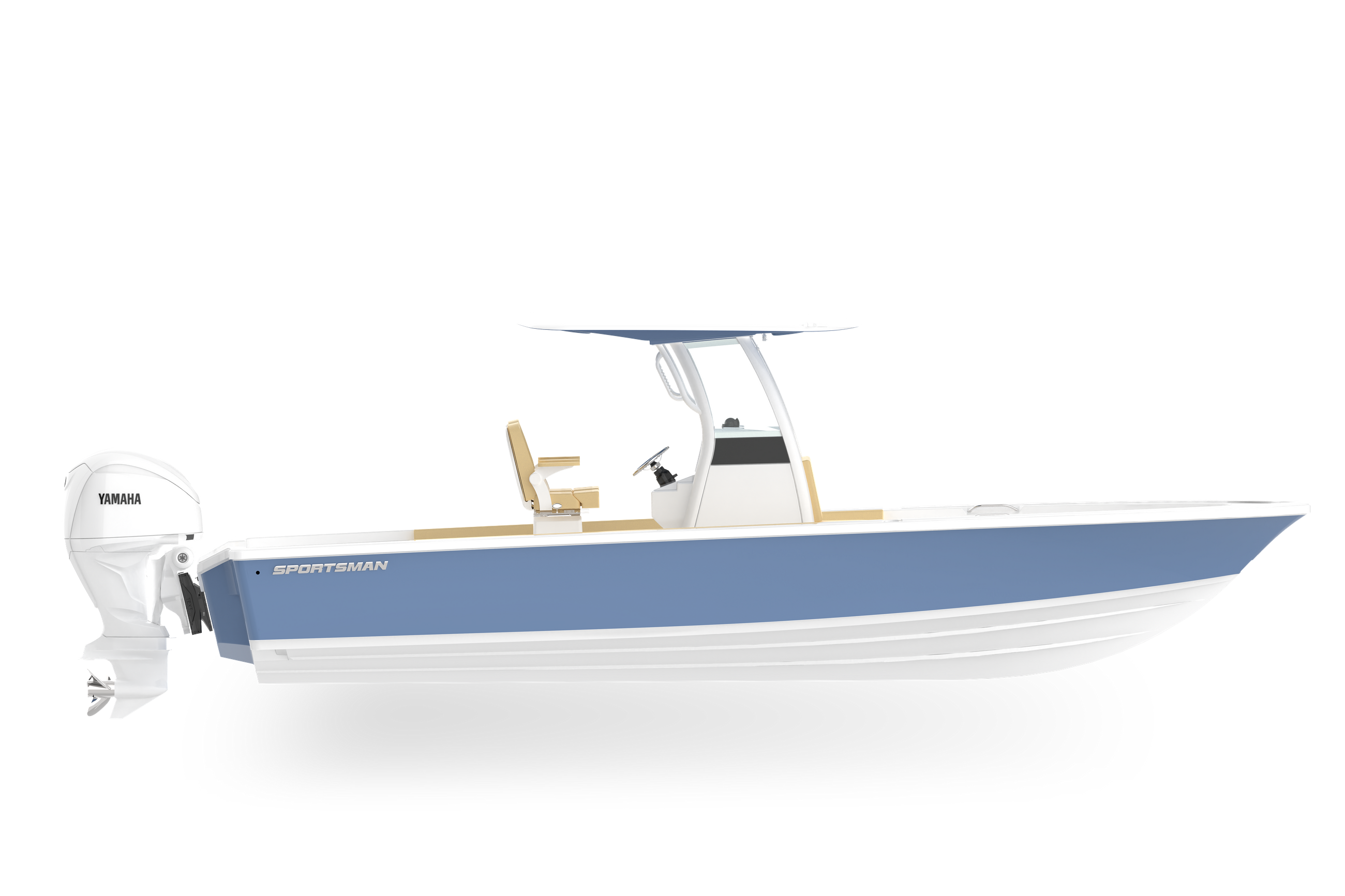
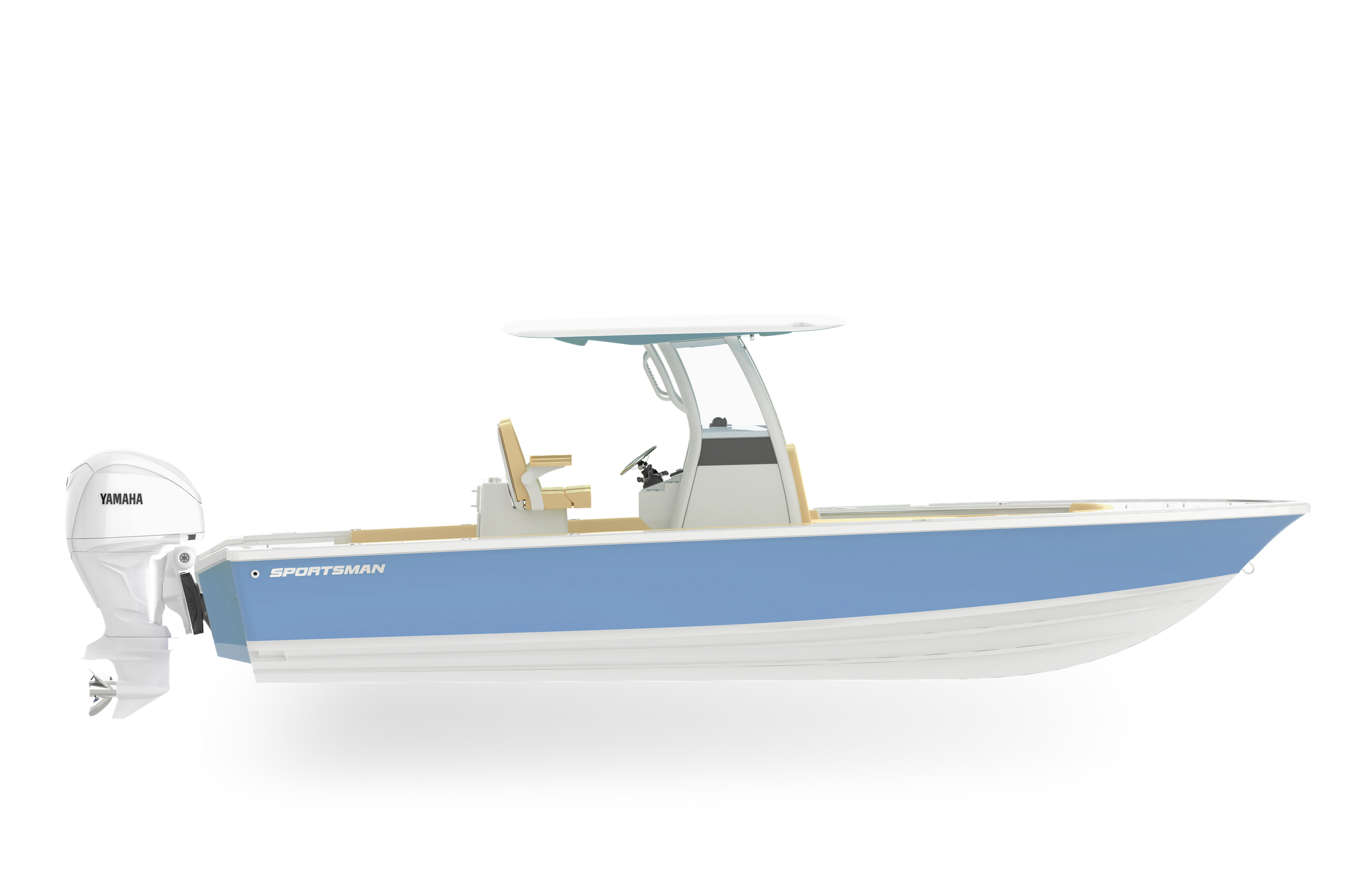
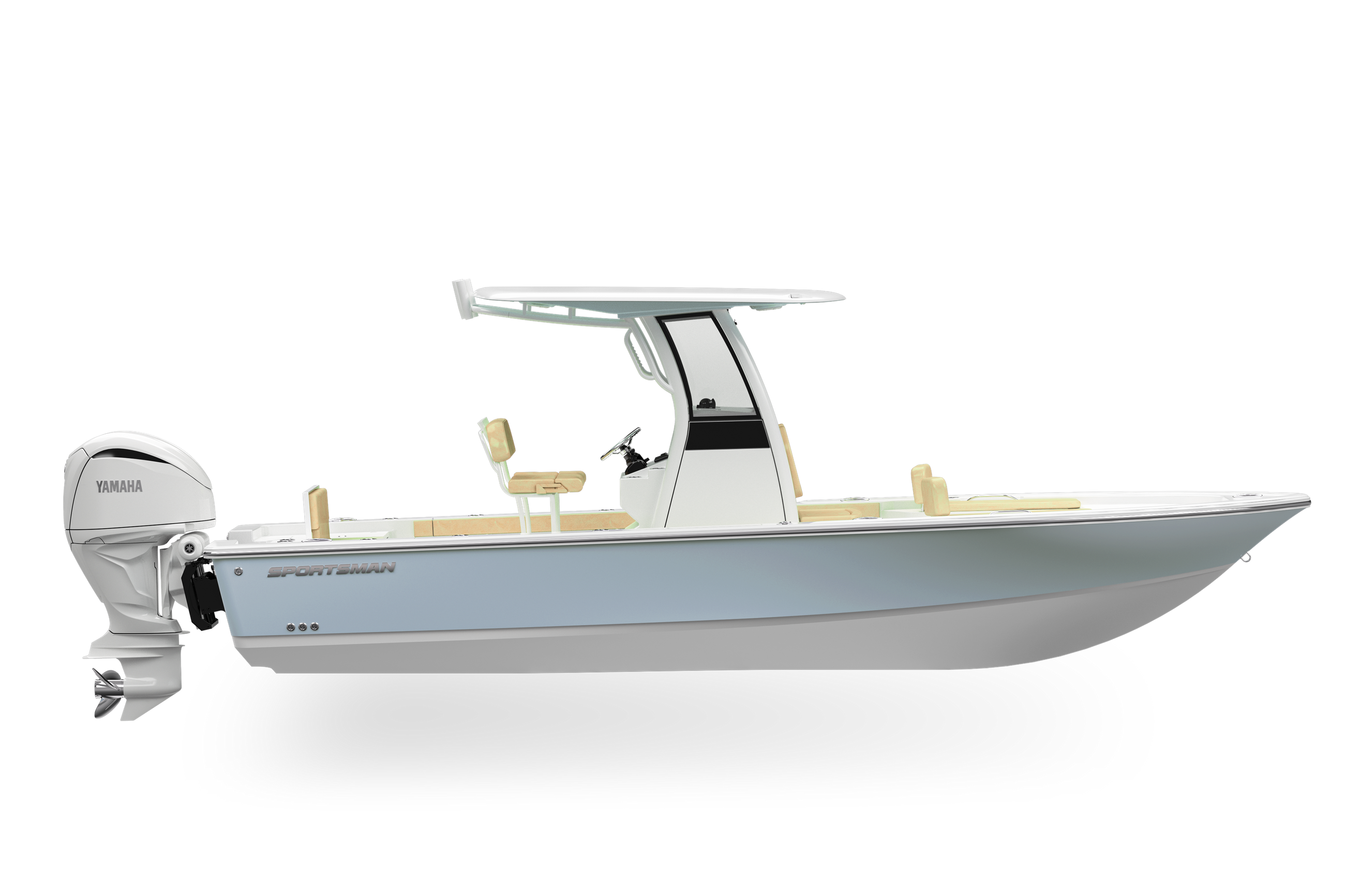
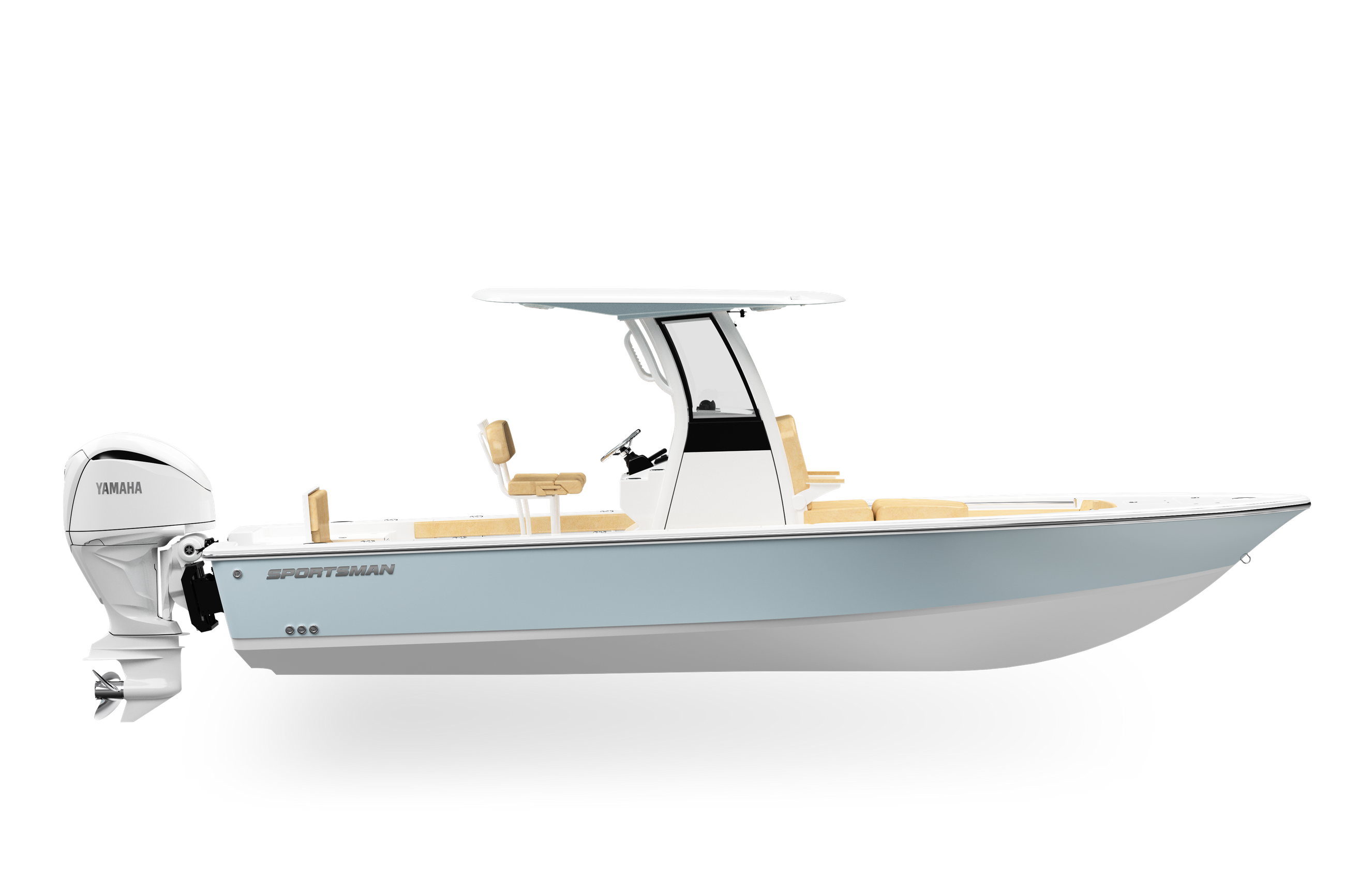
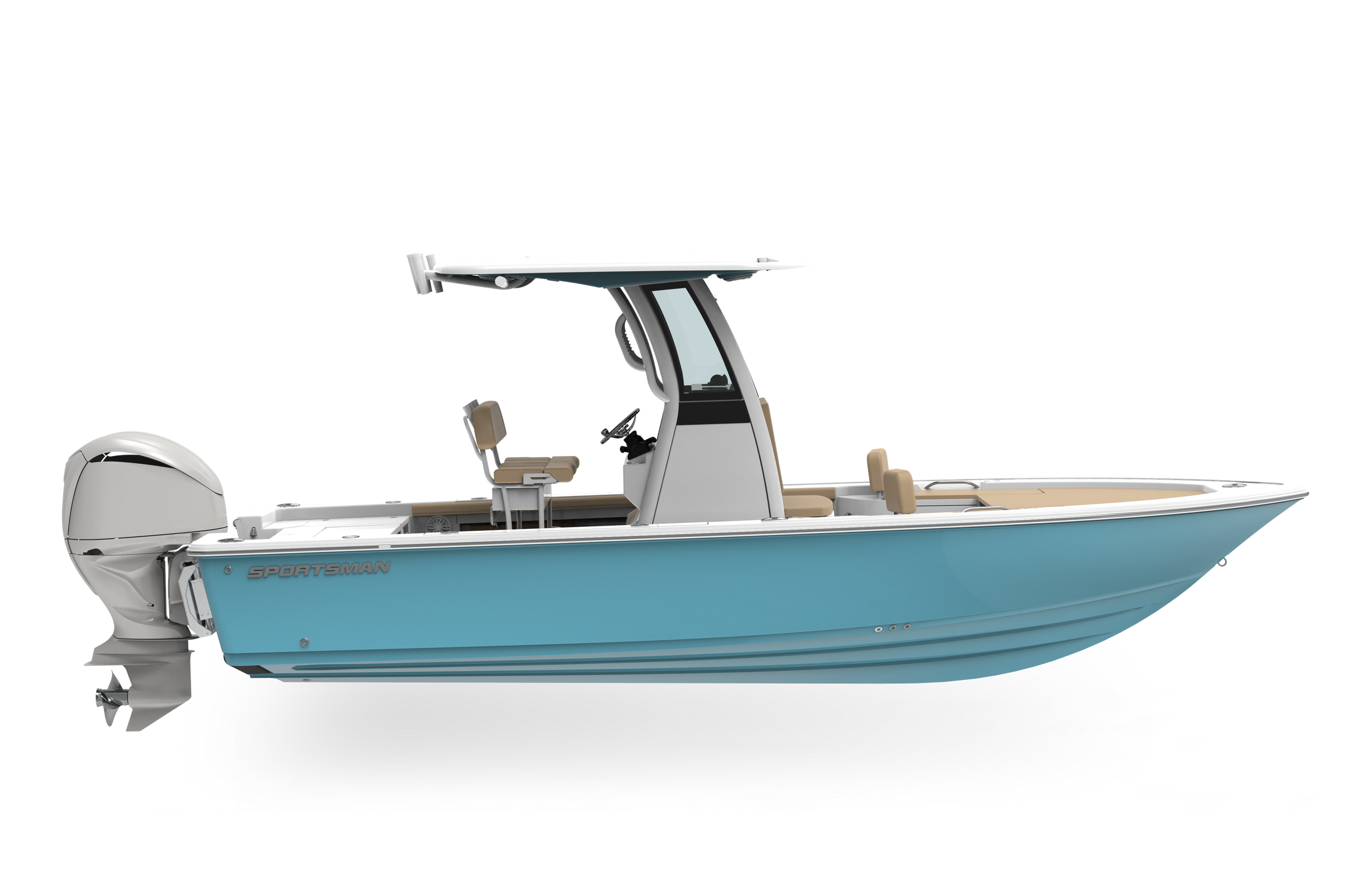
A joystick can transform how you control a multi-engine boat, making docking easier and unlocking features like StayPoint, FishPoint and DriftPoint. Learn when it’s worth it and how it changes the boating experience.

-
•Joystick control on multi engine boats combines throttle, shift and steering into one movement, making docking and maneuvering in wind or current more precise and less stressful.
-
•SetPoint features like StayPoint, FishPoint and DriftPoint provide advanced positioning and control beyond docking, helping you hold position, reduce noise and stay aligned with structure or cover water.
-
•The technology is a value add but not mandatory; smaller boats or open water users may skip it, while larger boats in tight marinas may benefit most from reduced workload and precision.
There’s a question that comes up all the time, especially when someone is stepping into a larger boat for the first time.
Do I really need a joystick?
It usually comes up when you’re looking at boats with twin, triple or even quad engines. You’ve run boats before. You know how to dock. You understand throttle and steering. So it’s fair to ask if this is just another feature you don’t actually need.
The short answer is no, you don’t need it. But that’s not really the right way to think about it. Because once you step into a multi-engine boat, everything changes.
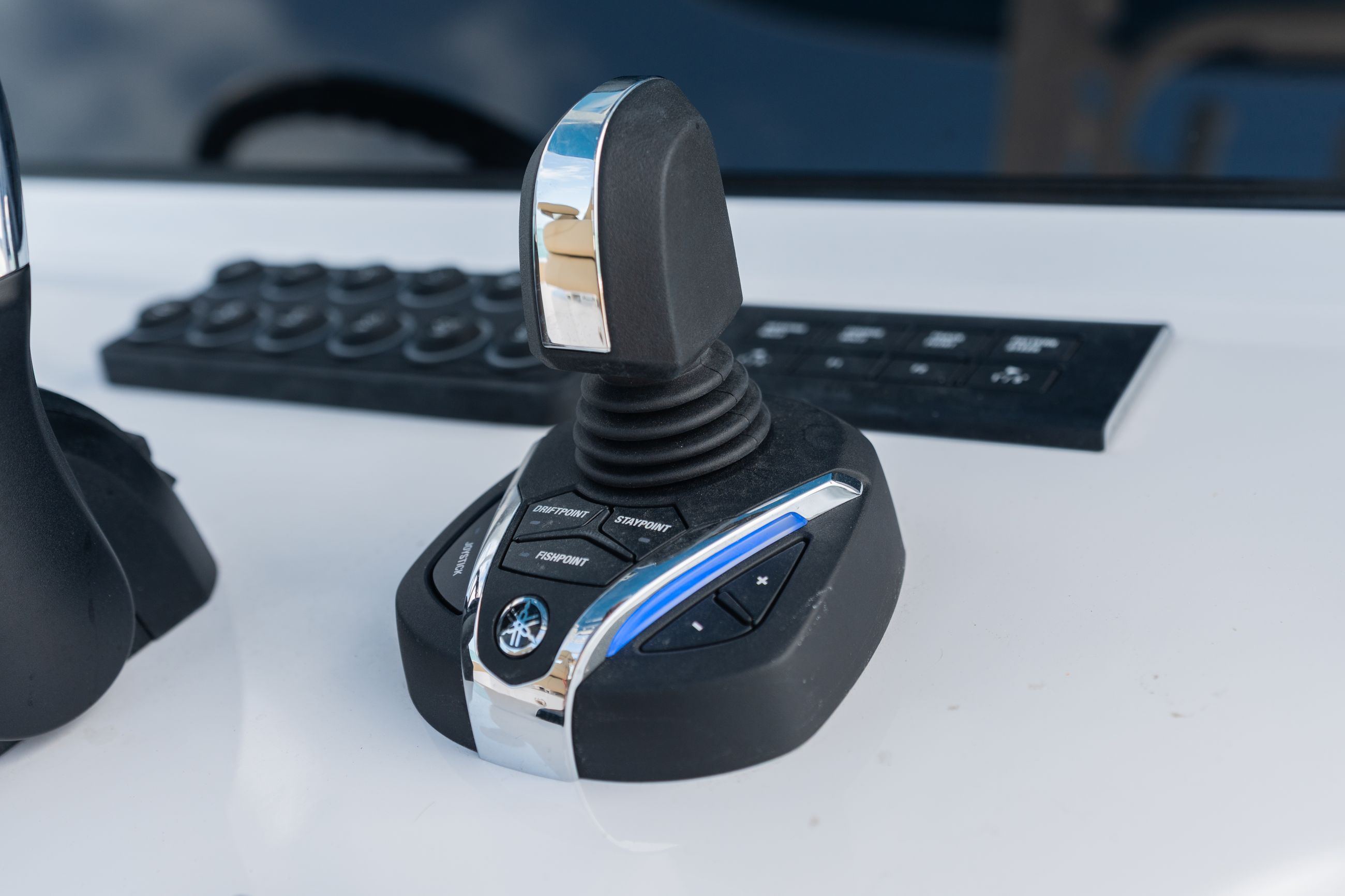
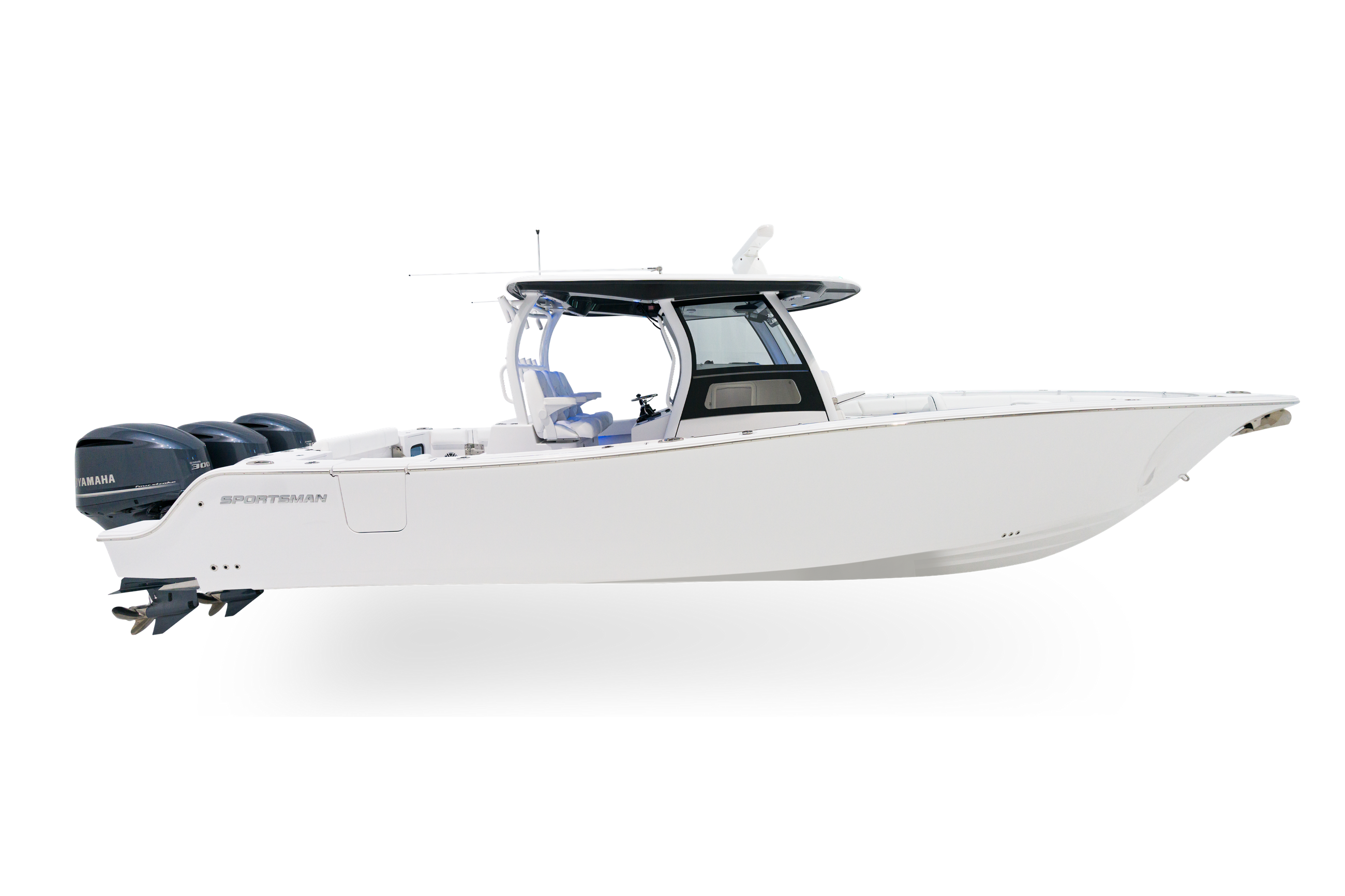
With multiple engines, you’re not just steering anymore, you’re managing independent thrust. You’re working throttles, shifting in and out of gear and adjusting direction all at once, especially in tight spaces. In calm conditions, that’s manageable. In wind, current or a crowded marina, it can get complicated quickly.
That’s exactly where a joystick starts to make sense.
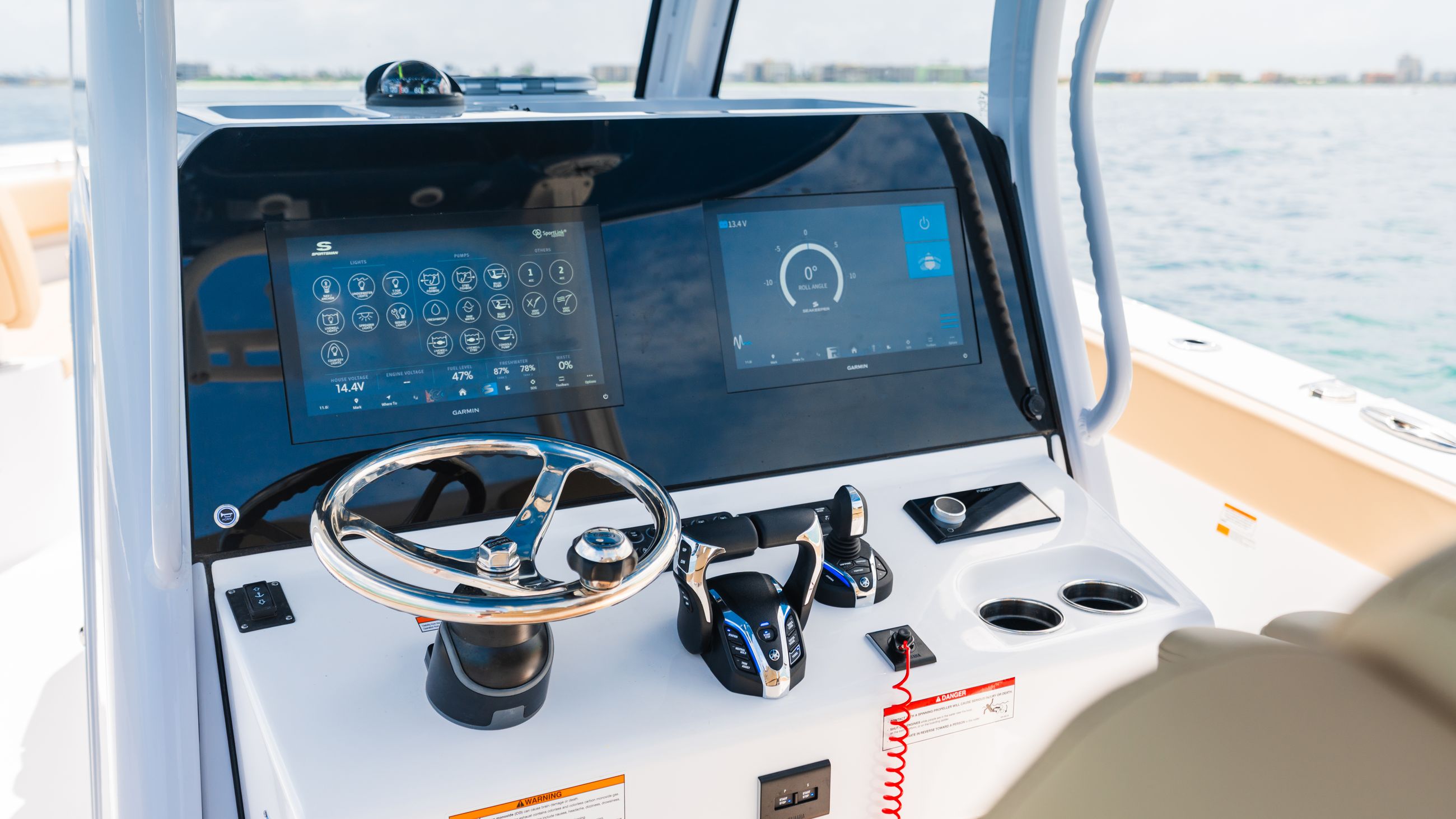
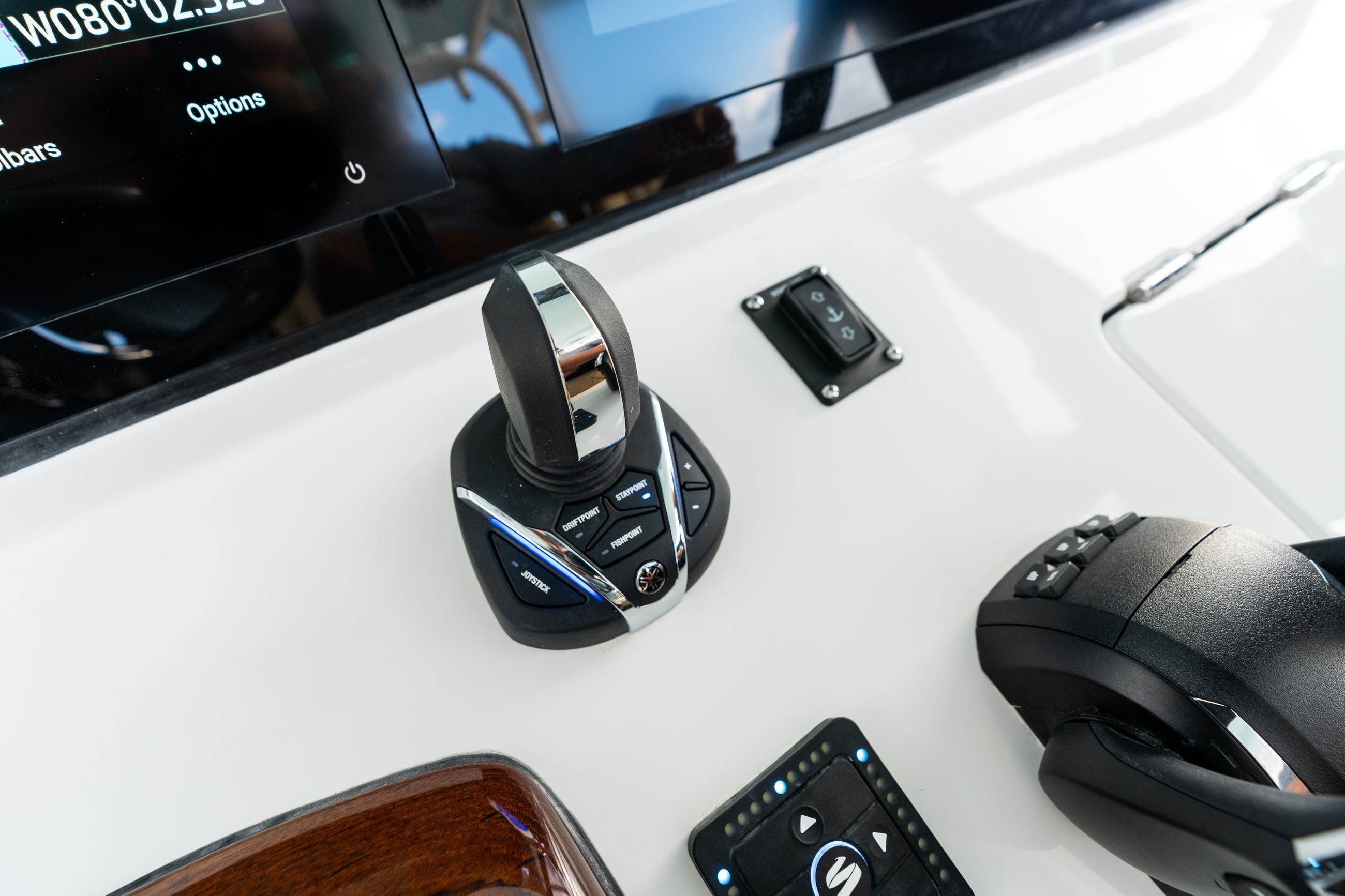
Instead of juggling controls, the joystick combines throttle, shift and steering into one simple movement. Push forward, the boat moves forward. Twist, it rotates. Push sideways, and on multi-engine boats, the boat literally slides sideways. That kind of control is something you simply can’t replicate with traditional controls.
And that’s the part people don’t realize until they use it. It doesn’t just make docking easier, it makes it more controlled.
Backing into a slip with a crosswind, holding position at the fuel dock or maneuvering in tight quarters stops feeling stressful. You’re not reacting, you’re placing the boat exactly where you want it.
For a lot of people, that alone is worth it. But where the system really starts to stand out is beyond docking. Yamaha’s Helm Master EX system adds a full set of features built around positioning and control, not just movement.
Take StayPoint for example. It’s essentially a virtual anchor. You hit the button and the boat holds both its position and heading using GPS. It’s like putting the boat in park, whether you’re waiting at a bridge, setting up for fishing or just holding your place.
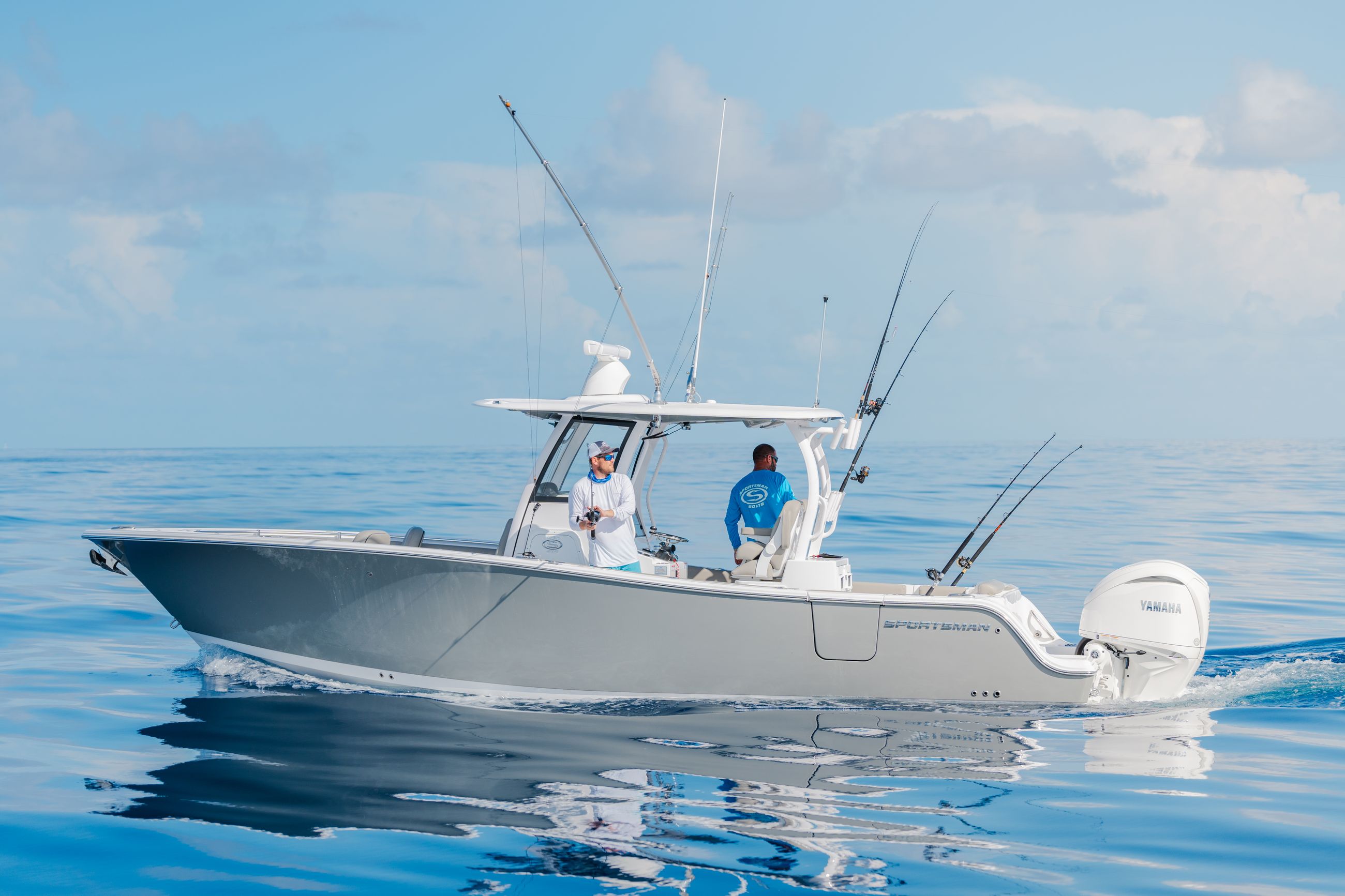
FishPoint takes a slightly different approach. It holds your position but allows the boat to rotate naturally with wind and current, keeping noise and movement down. It’s ideal when you’re fishing and want the boat to settle into the most natural position without constantly adjusting.
Then there’s DriftPoint, which allows you to maintain a set heading while drifting with the current. Instead of constantly correcting your angle, the system does it for you, making it easier to stay lined up on structure or cover water efficiently.
All of these fall under Yamaha’s SetPoint system, which is designed to simplify how you control and position the boat while fishing or waiting.
And that’s really what the joystick becomes. Not just a docking tool, but a control system.
It reduces workload, simplifies complex movements and gives you a level of precision that’s hard to achieve manually, especially as boats get larger and heavier.
Now, does that mean everyone needs it? Not necessarily.
If you’re running a smaller boat, spending most of your time in open water or already very comfortable handling twin engines in tight spaces, you can absolutely operate without it.
But if you’re moving into a larger platform, boating in tighter marinas, dealing with current and wind regularly or just want to make the experience easier for yourself and anyone else operating the boat, it becomes a feature that changes how you use the boat.
It’s not about replacing skill. It’s about removing unnecessary stress. And for a lot of owners, especially those running bigger boats with multiple engines, that’s exactly what makes it worth it.
Related Posts
More and more people are hitting the water each year in their new boats. What some may not know is that there's some safety steps they need...
Read More