Open
Built for families who want serious offshore capability,
premium comfort and the freedom to fish, cruise or entertain.
Open 402
NEW Open 352
NEW Open 322
NEW Open 302
Open 282
Open 262
Open 252
Open 232
Open 212
Heritage
A refined crossover lineup designed for coastal cruising, ample seating,
family days and some fishing when the moment calls for it.
NEW Heritage 321
Heritage 261
NEW Heritage 251
Heritage 231
Masters
Shallow-water performance, fishing-focused layouts and
everyday comfort built for family life and fishing.
Perfect blend of offshore capabilities with inshore conveniences.
NEW Masters 288
Shallow-draft bay boats built around casting space, livewells and skinny-water fishing.
Masters 267
Masters 267OE
Masters 247
Masters 247OE
Masters 227
Offshore communication has evolved from basic radio calls to full internet connectivity. This guide compares iPhone satellite messaging, Garmin inReach, VHF radios and Starlink, breaking down how each works, their limitations and why Starlink is changing the way anglers communicate, plan and stay safe offshore.

-
•Starlink offshore connectivity is a game changer, delivering real time internet and the ability to stream, share files and make calls.
-
•Each offshore tool has a place: VHF for local contacts, Garmin inReach for emergency two way messaging and Starlink for ubiquitous connectivity.
-
•For longer offshore trips high speed connectivity turns off grid time into real time capability enabling weather checks and remote work.
There was a time offshore when once you left the inlet, that was it. No signal, no updates, no easy way to check in. Just you, the boat and whatever plan you had before you left the dock. For a lot of us, that was part of the appeal, but it also meant the people back home were left wondering how things were going.
When Apple rolled out satellite messaging on the iPhone, it felt like a big step forward. For the first time, I could send a quick message offshore and let my wife know everything was good. That alone changed things. It added a level of comfort knowing I could check in even when I was well outside of cell range. But it did not take long to run into the limits. You could send a few texts, but that was about it. No calls, no internet and no real conversation. You have to connect to a satellite and stay lined up long enough to send a message, which works, but it is slow and not something you rely on throughout the day.
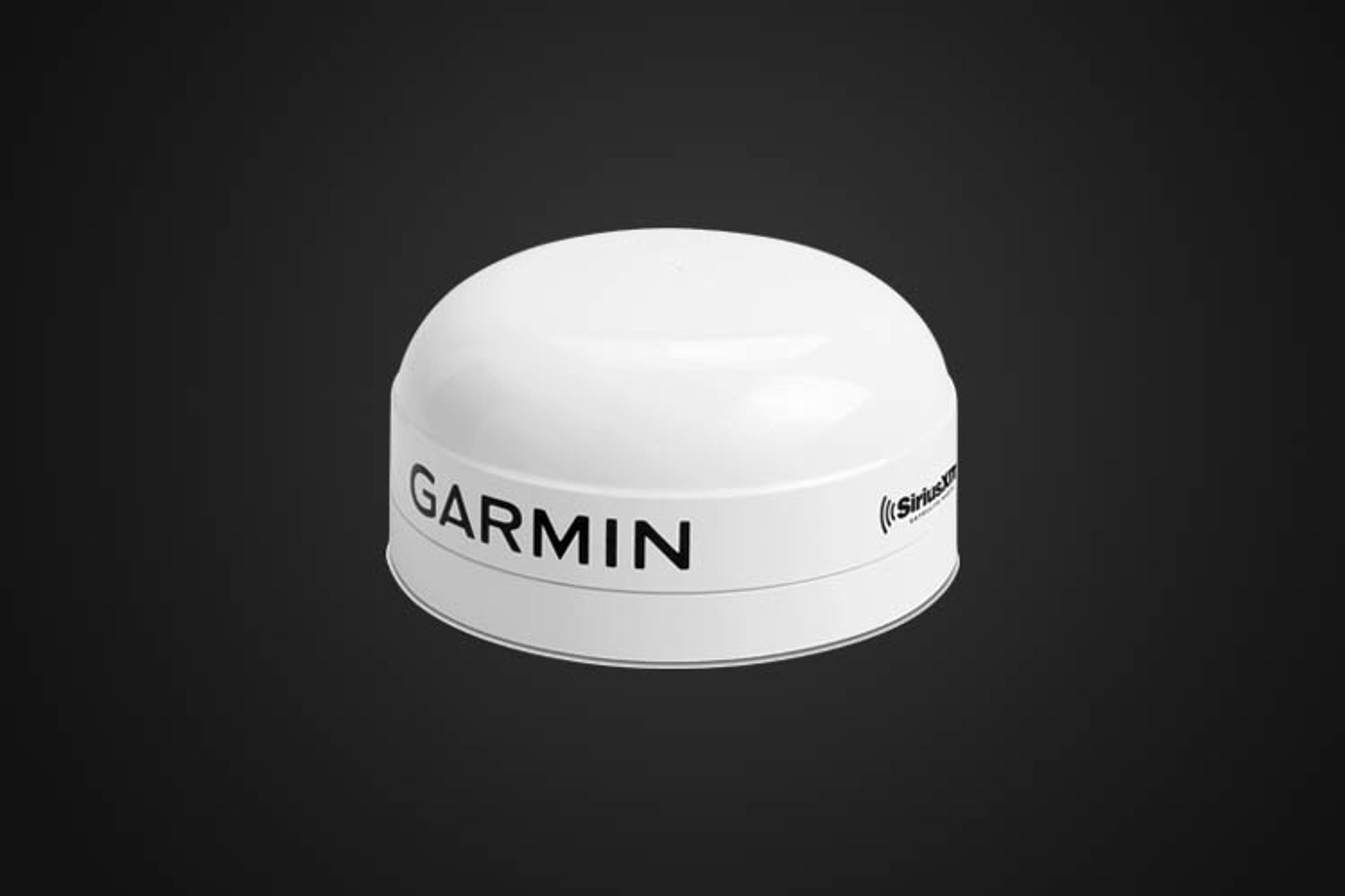
Before that, devices like Garmin inReach were the go to for serious offshore communication. It is a much more reliable system with true two way messaging, GPS tracking and a built in SOS feature that connects directly to emergency response services. Coverage is global and consistent, which makes it a strong safety tool. But it comes with a cost, both upfront for the device and ongoing with a monthly subscription. Because of that, most people treat it as what it is best at, an emergency communication device rather than something you use constantly while fishing.
Even with both of those options, every offshore boat still relies on one essential system, VHF. It is standard on every Sportsman and it remains one of the most important tools on the water. VHF allows you to communicate with nearby vessels, monitor channel 16 and reach the Coast Guard when you are within range. The downside is that range is limited, typically anywhere from 5 to 20 miles depending on antenna height and conditions, and it does not connect you to anyone on land outside of that range. It is critical, but it is not a complete solution.
Starlink changed that completely. Instead of limited messaging or line of sight communication, you now have full internet offshore. That means real time weather, radar, charts, messaging, calls and everything else you are used to on land. It is not delayed, it is not restricted and it does not require you to point a device at the sky and wait for a connection. It is always on.
From a performance standpoint, the difference is not even close. iPhone satellite messaging is designed for short, low bandwidth communication and can take minutes per message depending on conditions. Garmin inReach improves that with reliable two way messaging, but it is still text based and not built for continuous use. Starlink delivers broadband level speeds offshore, making it possible to stream, send files, make calls and stay connected in real time.
That capability changes how you use the boat.
There are still days when being offshore is about disconnecting. Phones down, lines in the water and full focus on fishing. But there are also long, slow periods where the bite dies off and the sun wears everyone down. Having access to your phone, something to watch or a way to stay connected helps pass the time without taking away from the experience.
It becomes even more valuable on longer runs or overnight trips. Instead of sitting offshore in the dark waiting for the next morning, you can relax, watch something, check in with home or even handle work if needed. It makes those trips feel less like you are off the grid and more like you simply brought everything with you.
Safety is where it all comes together. With Starlink, you are no longer relying on a forecast you downloaded before leaving the dock. You can monitor changing weather in real time, communicate instantly and make better decisions based on what is actually happening around you.
Each of these tools still has a place. Your phone gives you a simple backup. Garmin inReach gives you a dedicated and reliable emergency system. VHF keeps you connected to the boats around you. But if you are looking at the full picture, Starlink sits in a different category.
It is not just about communication anymore. It is about capability.
The further you go and the longer you stay out, the more that matters.