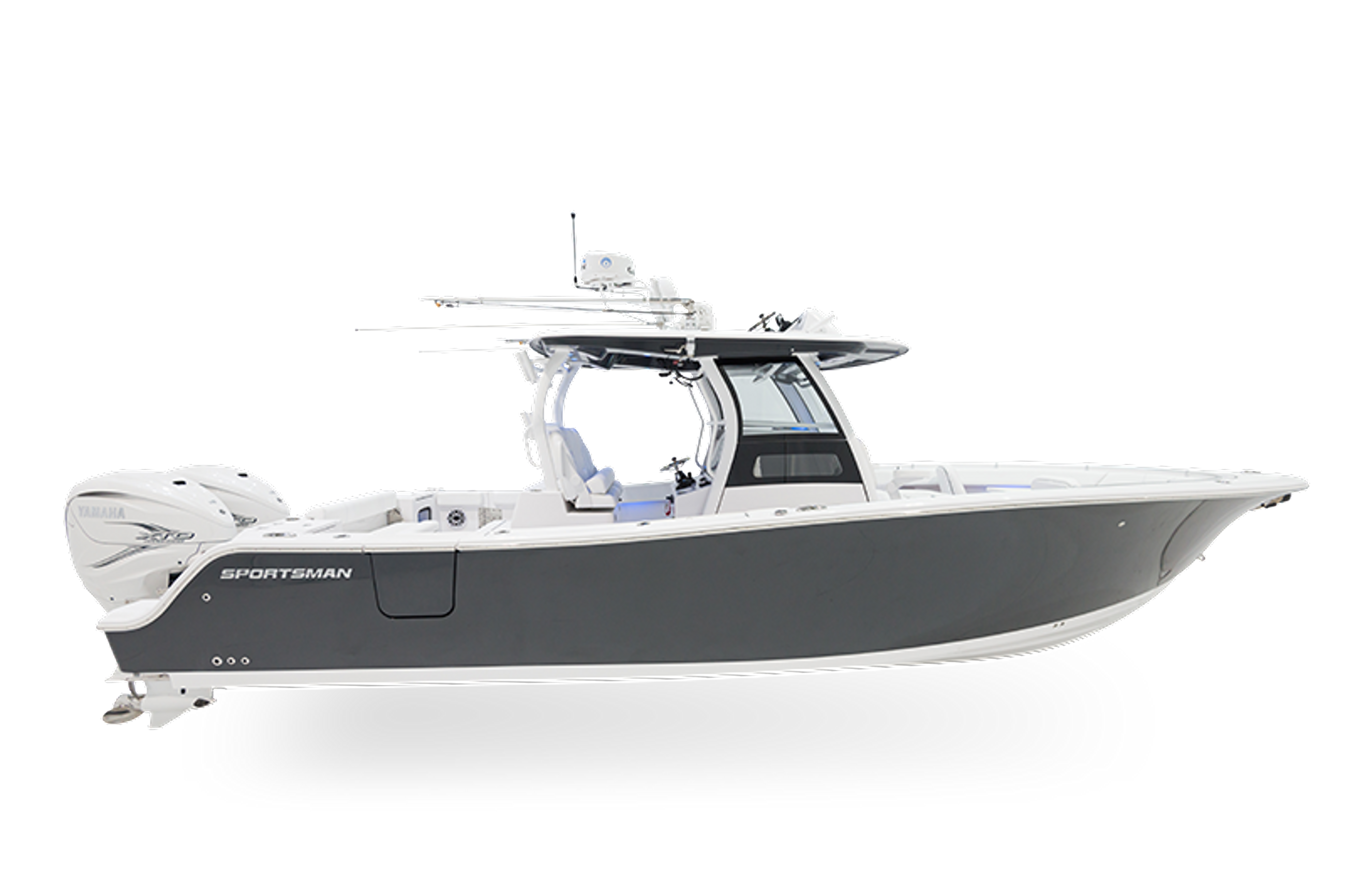
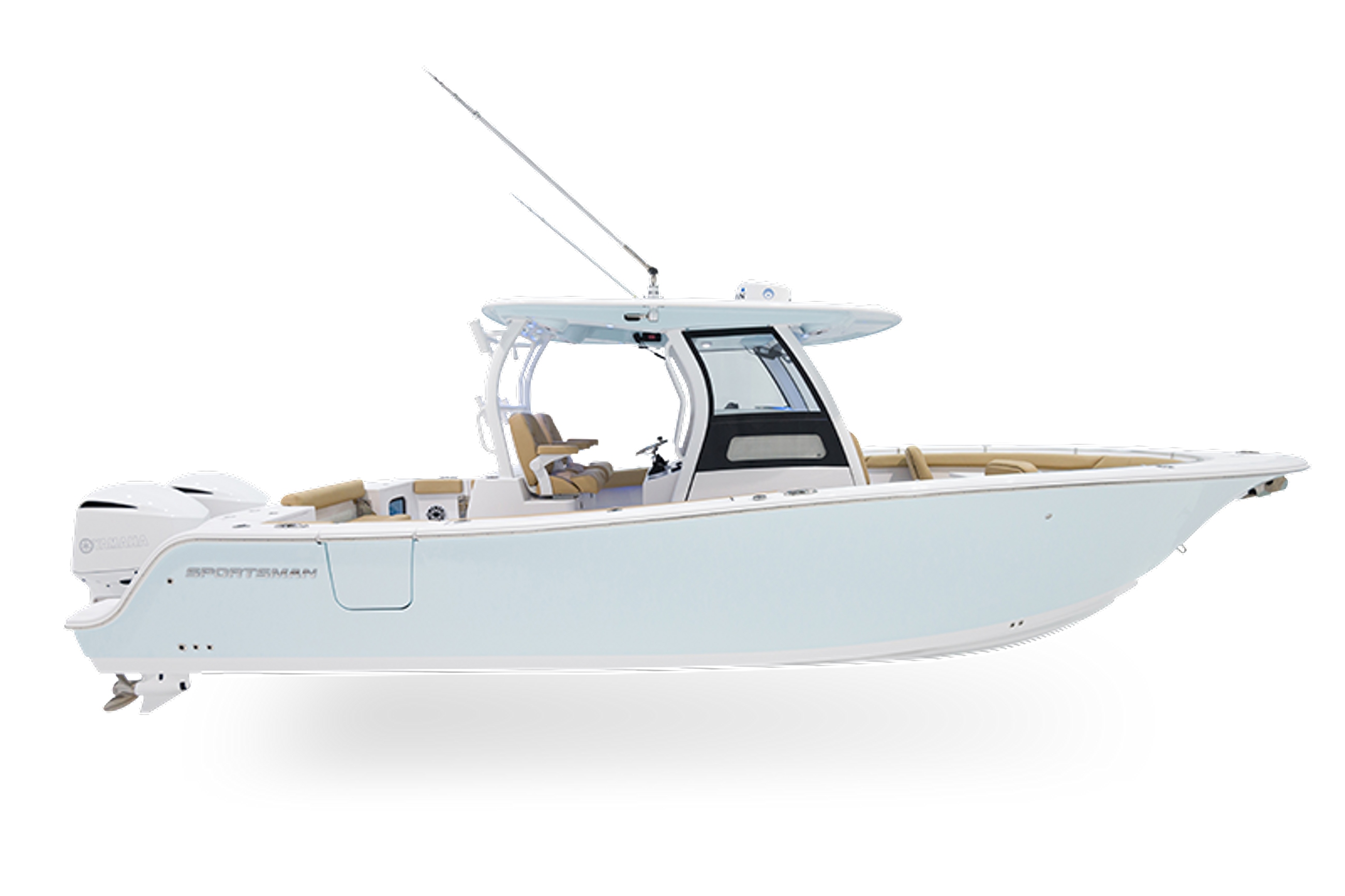
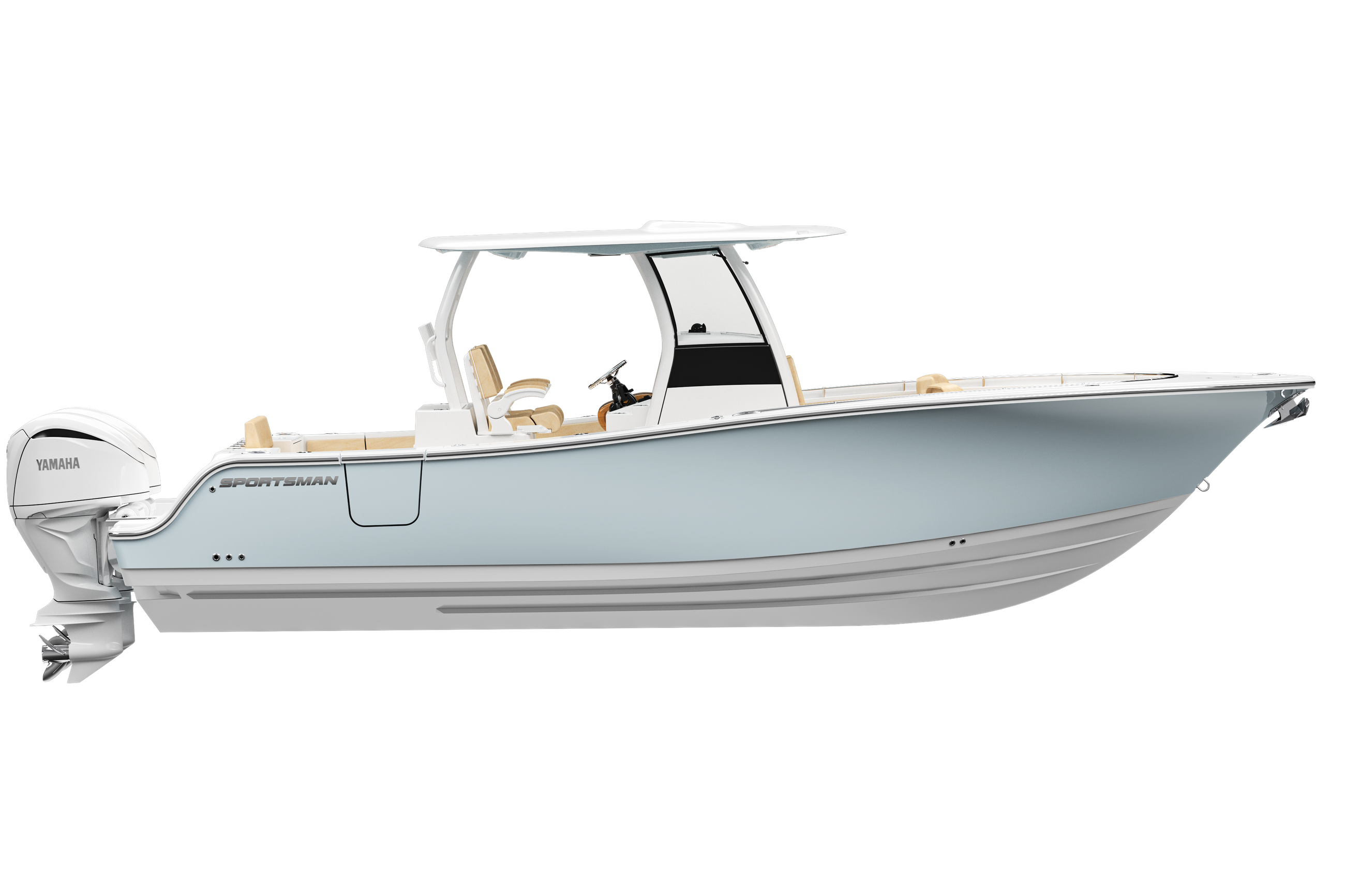
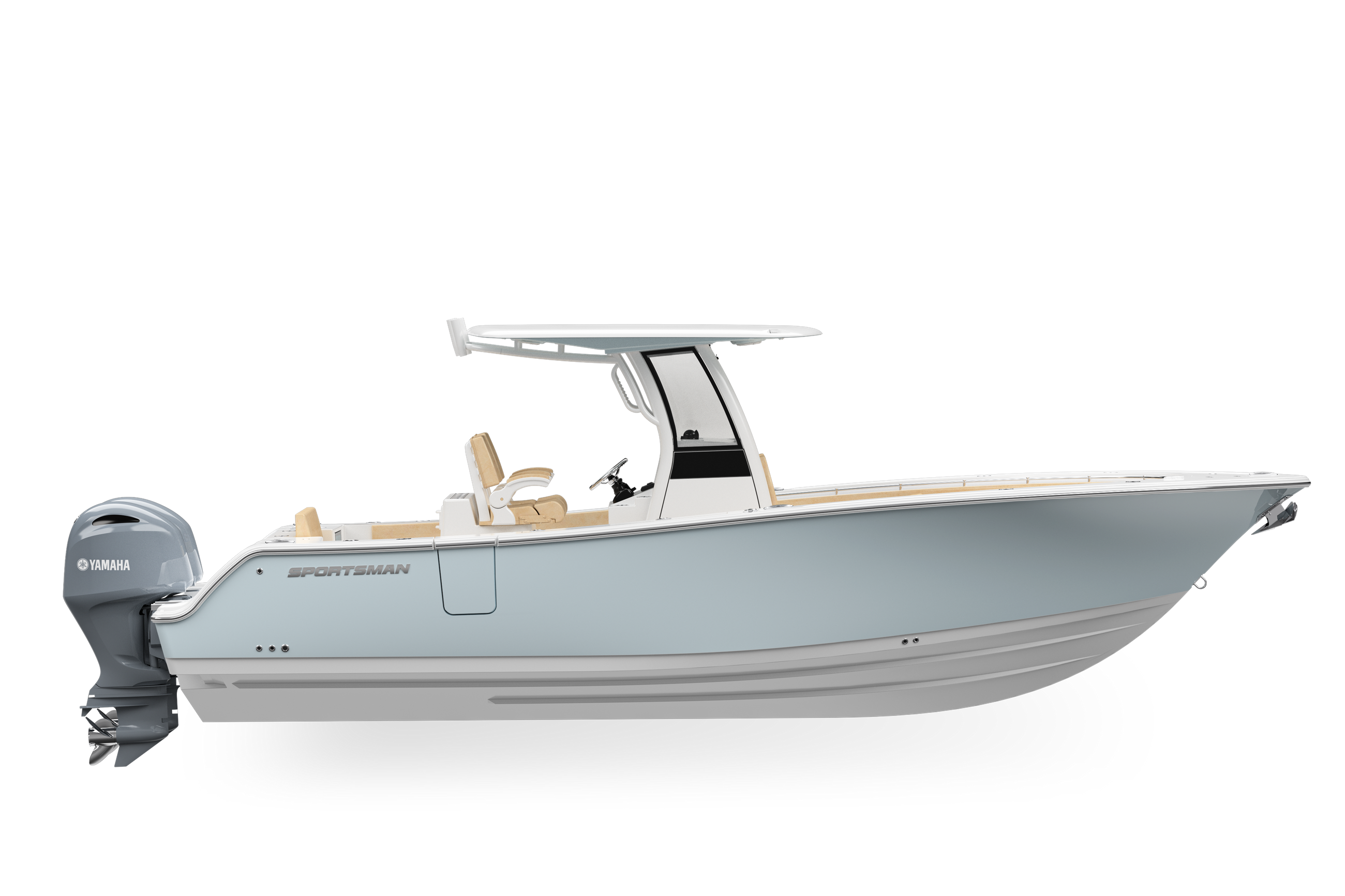
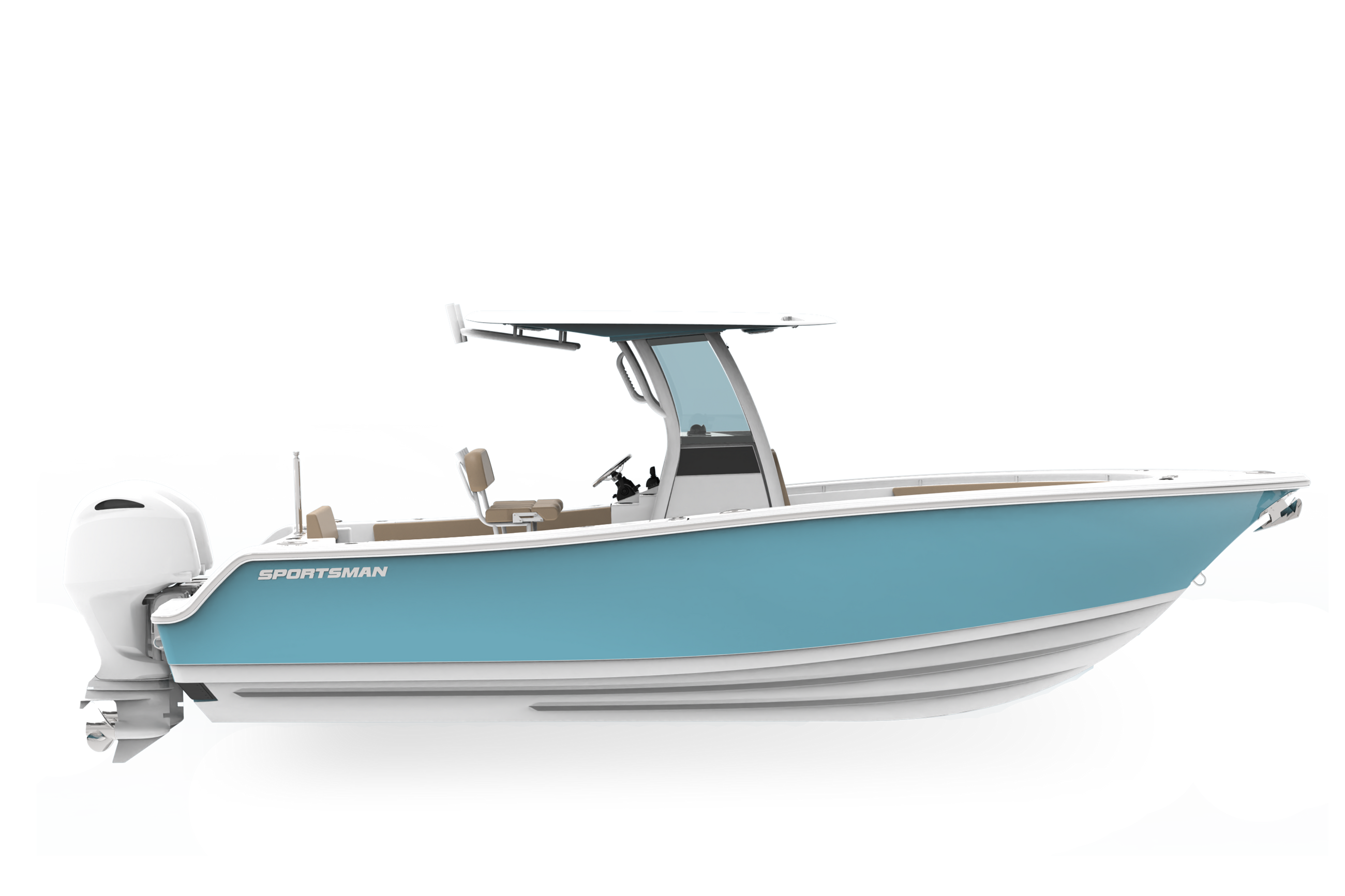
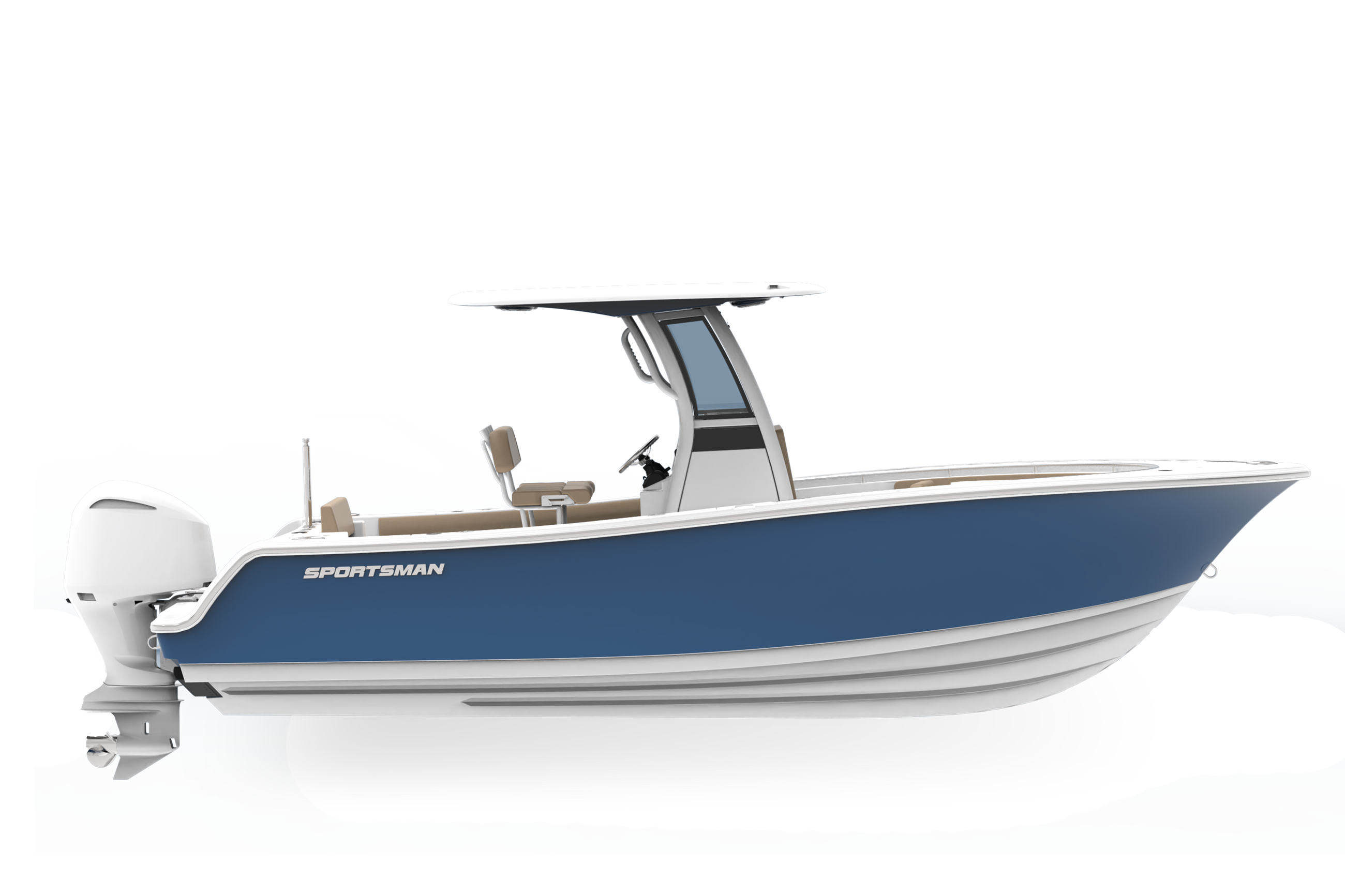
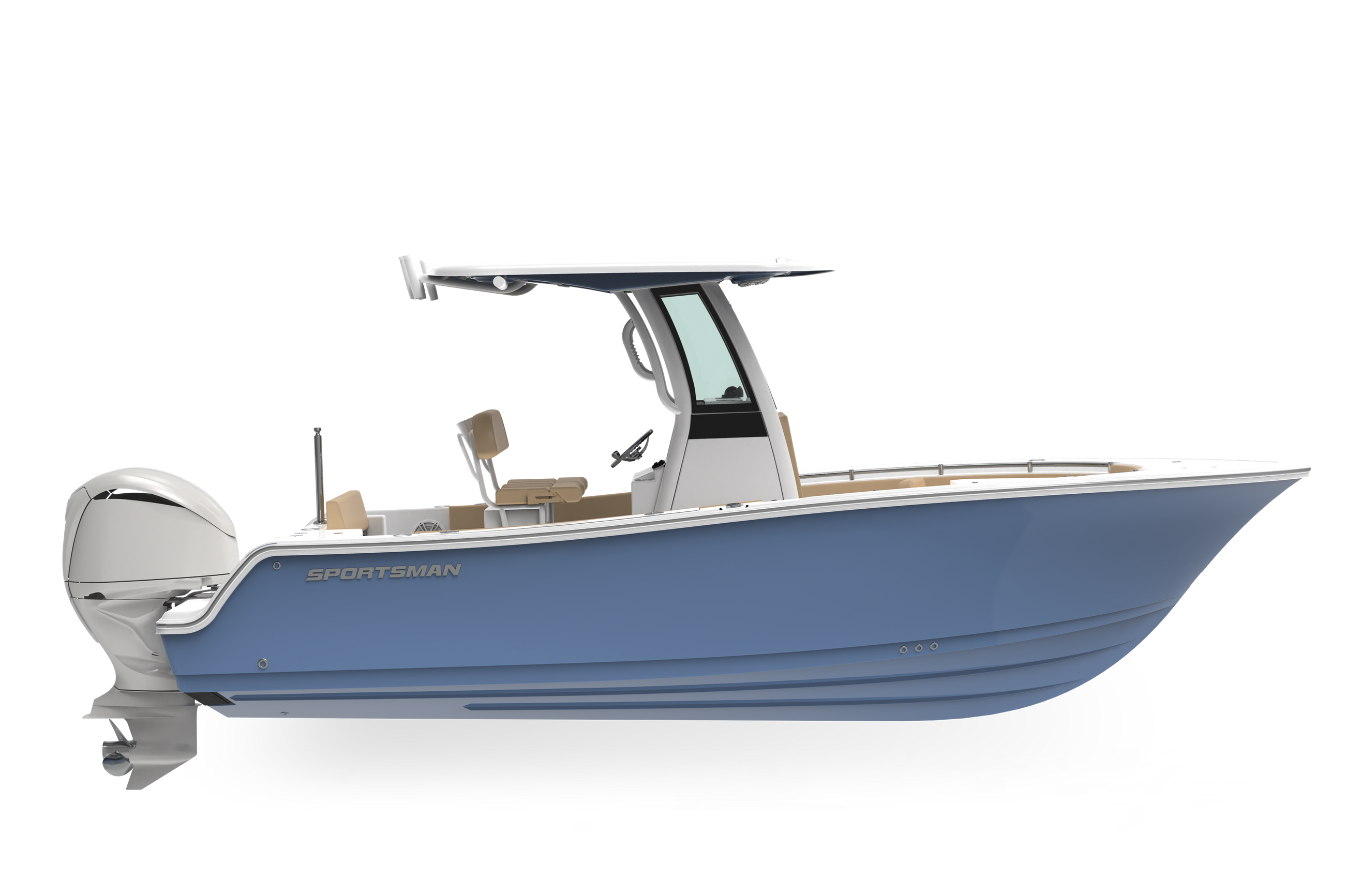
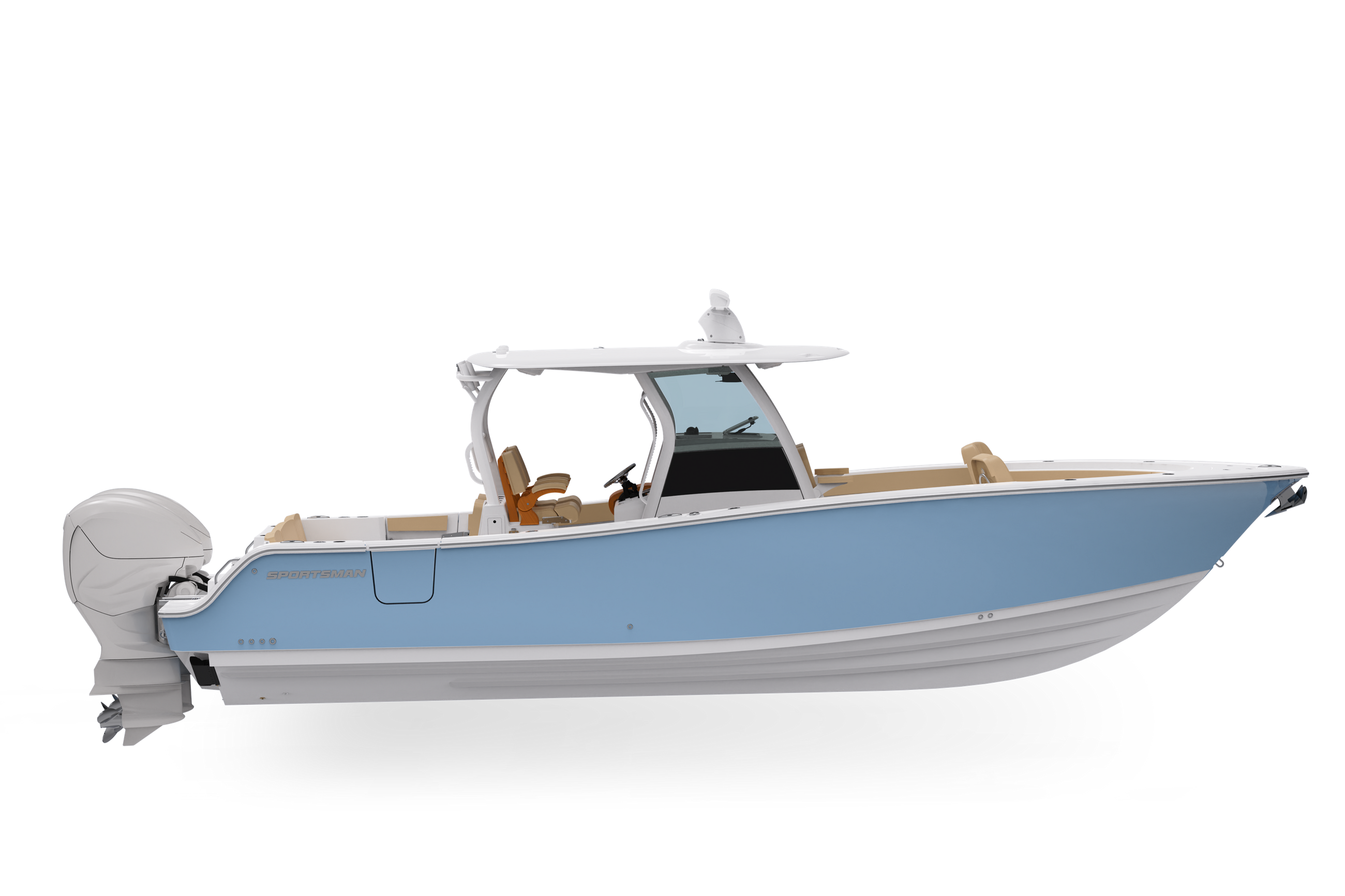
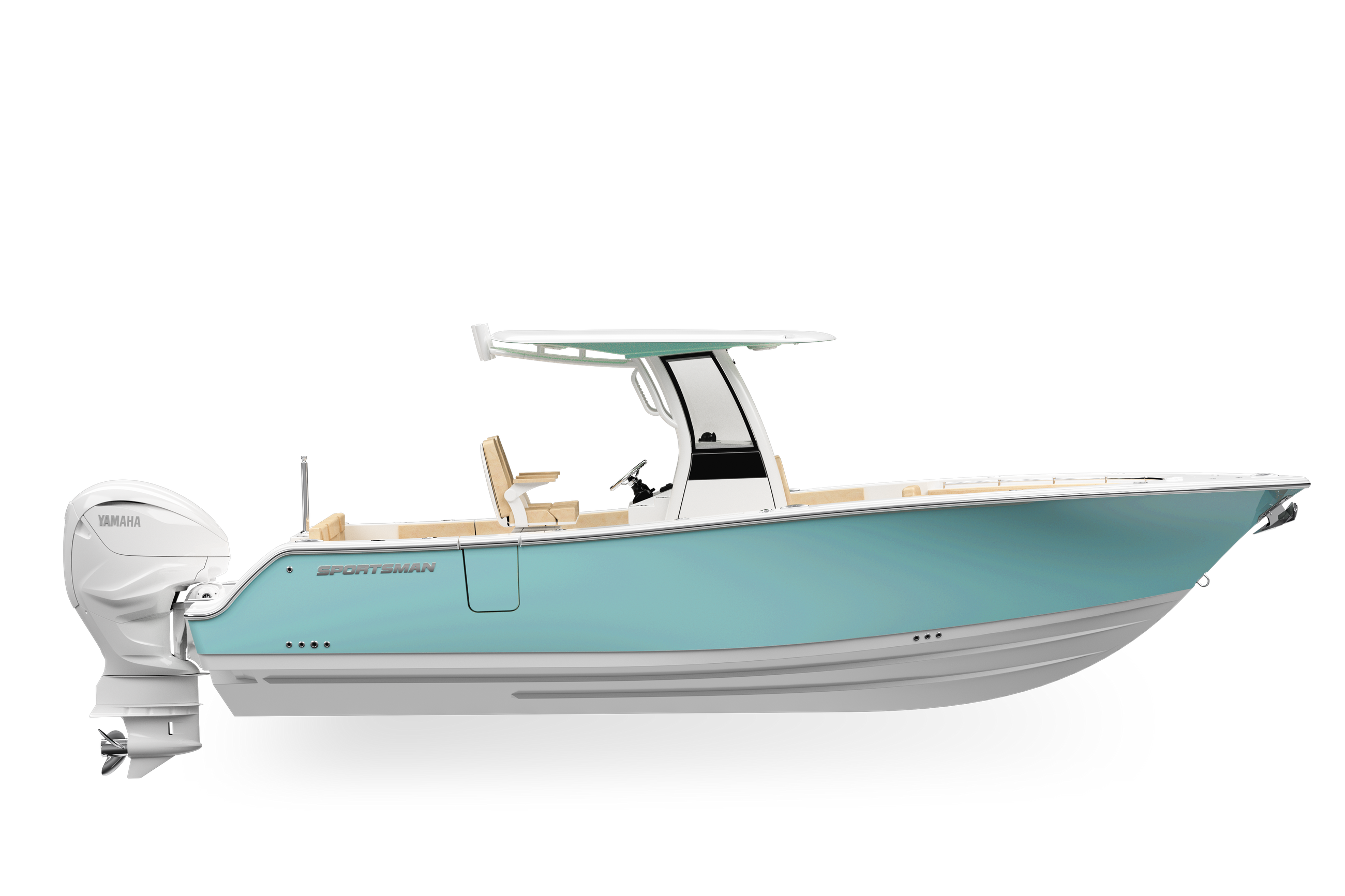
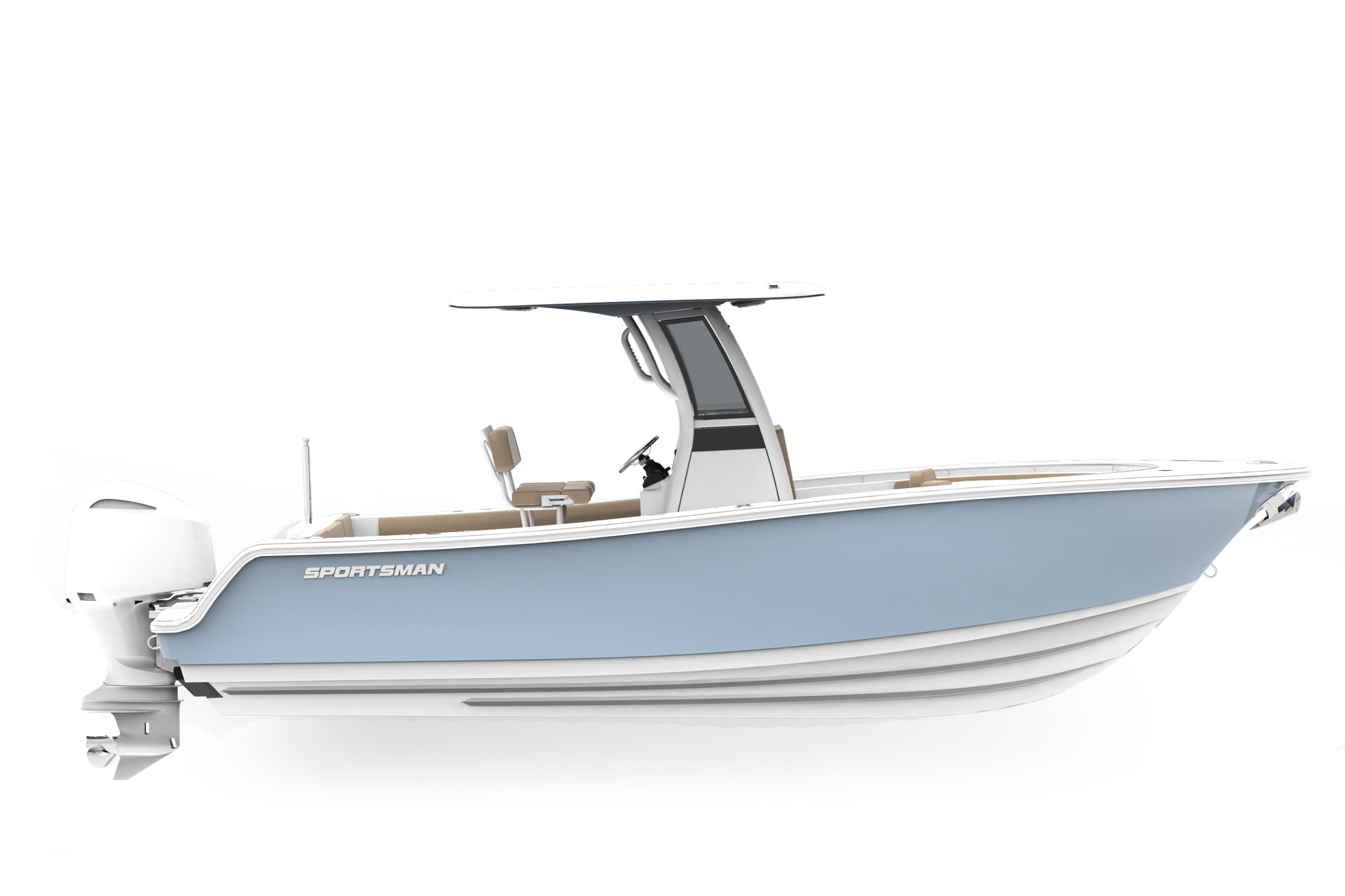
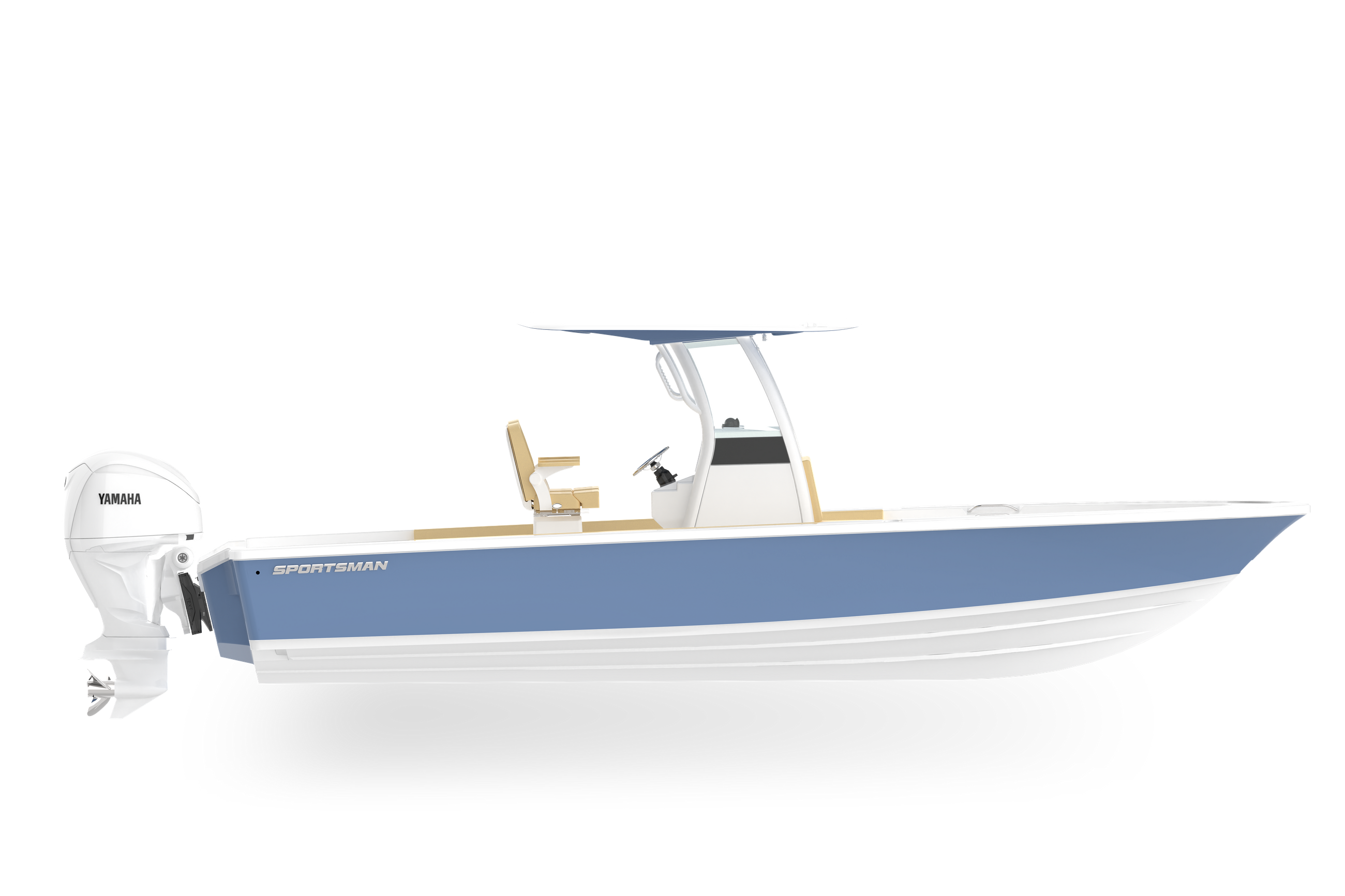
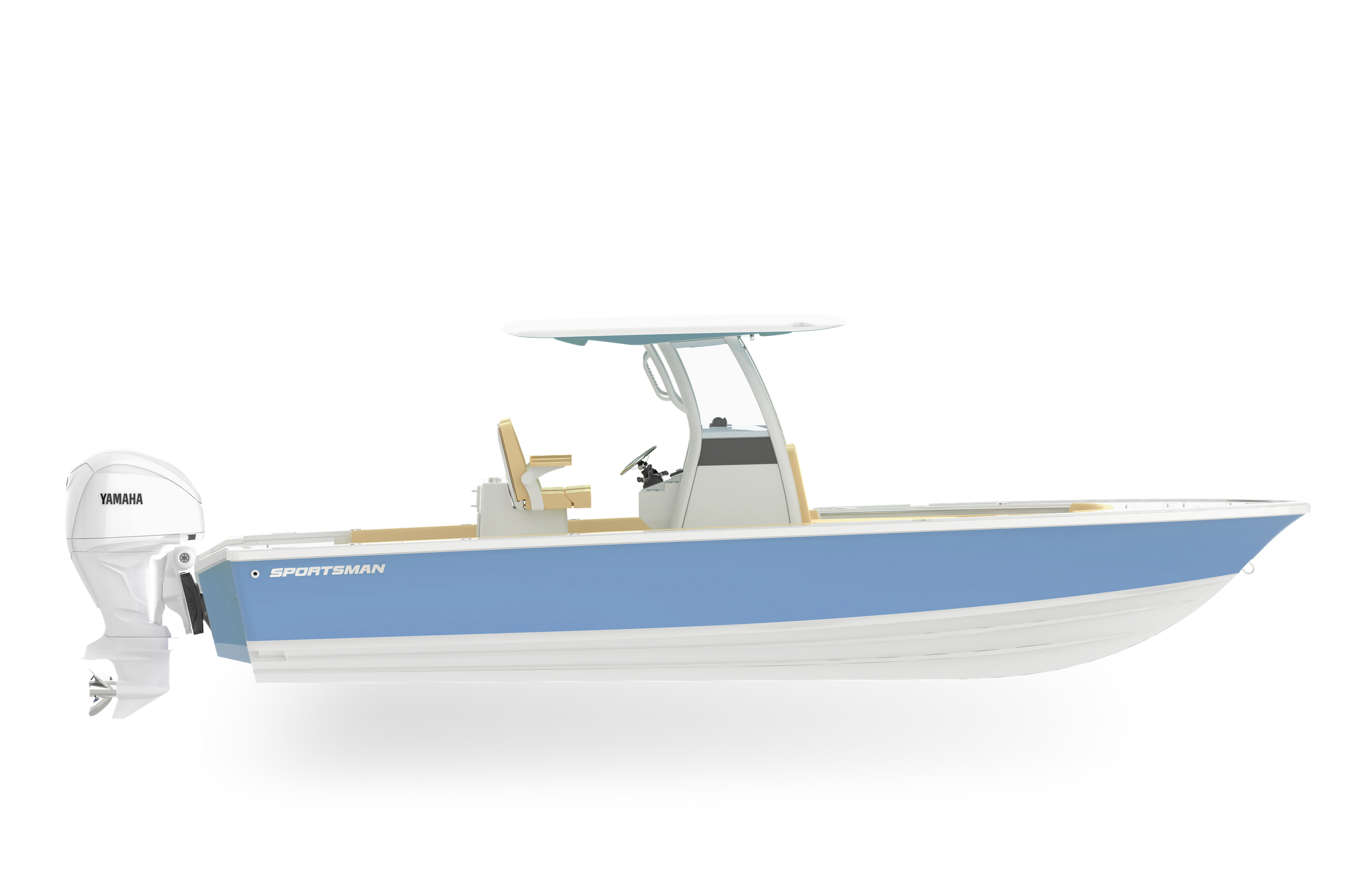
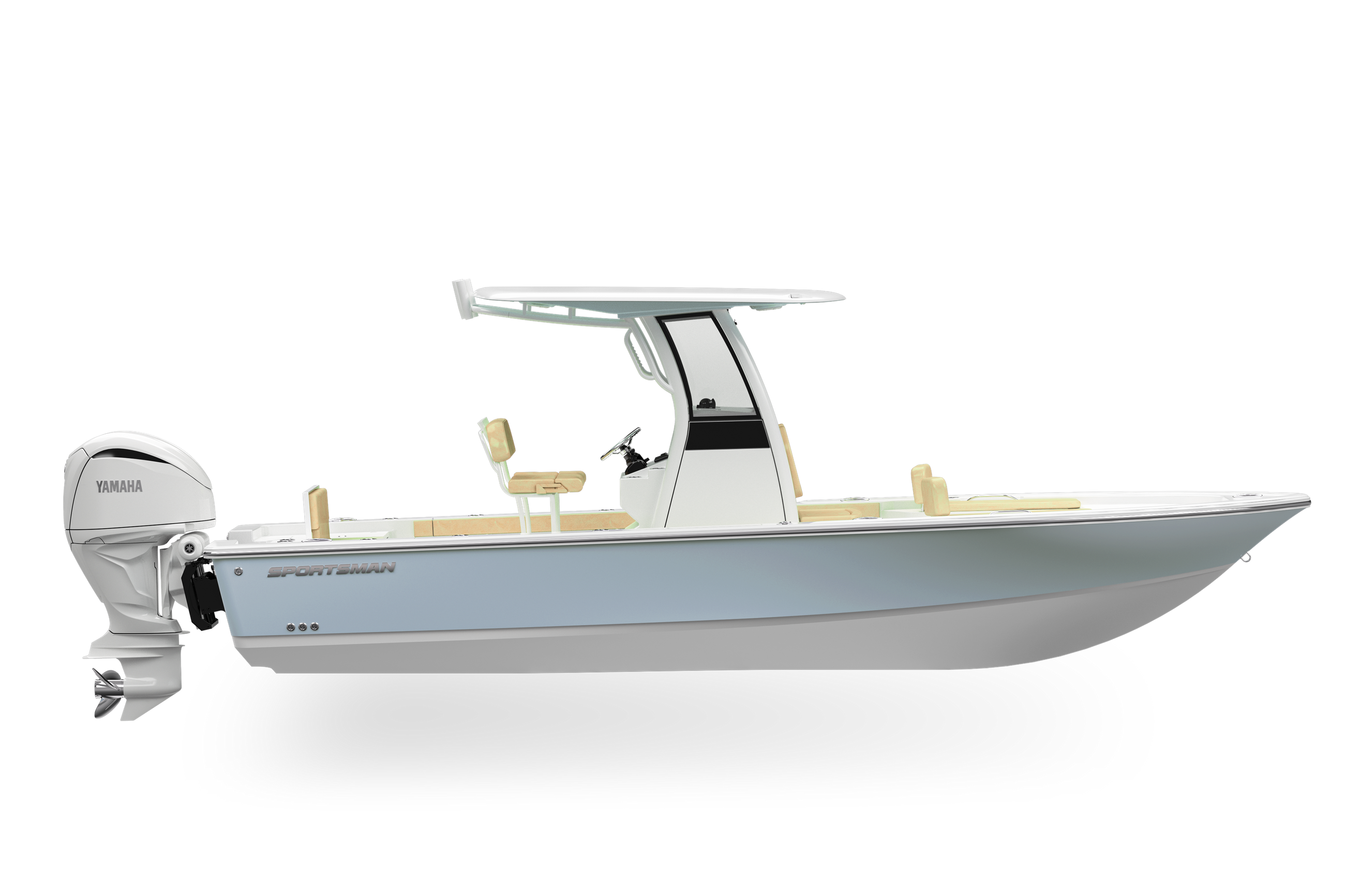
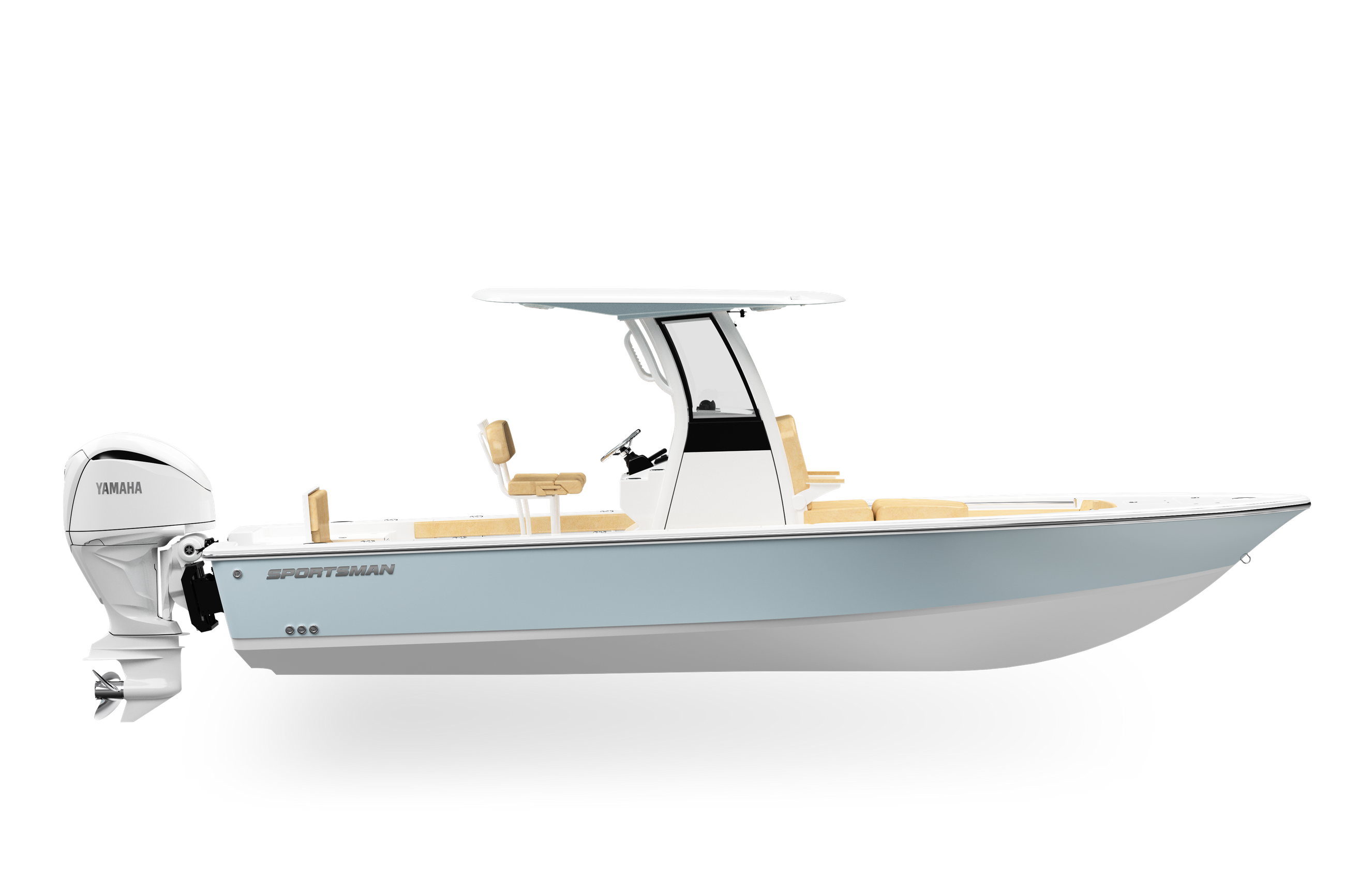
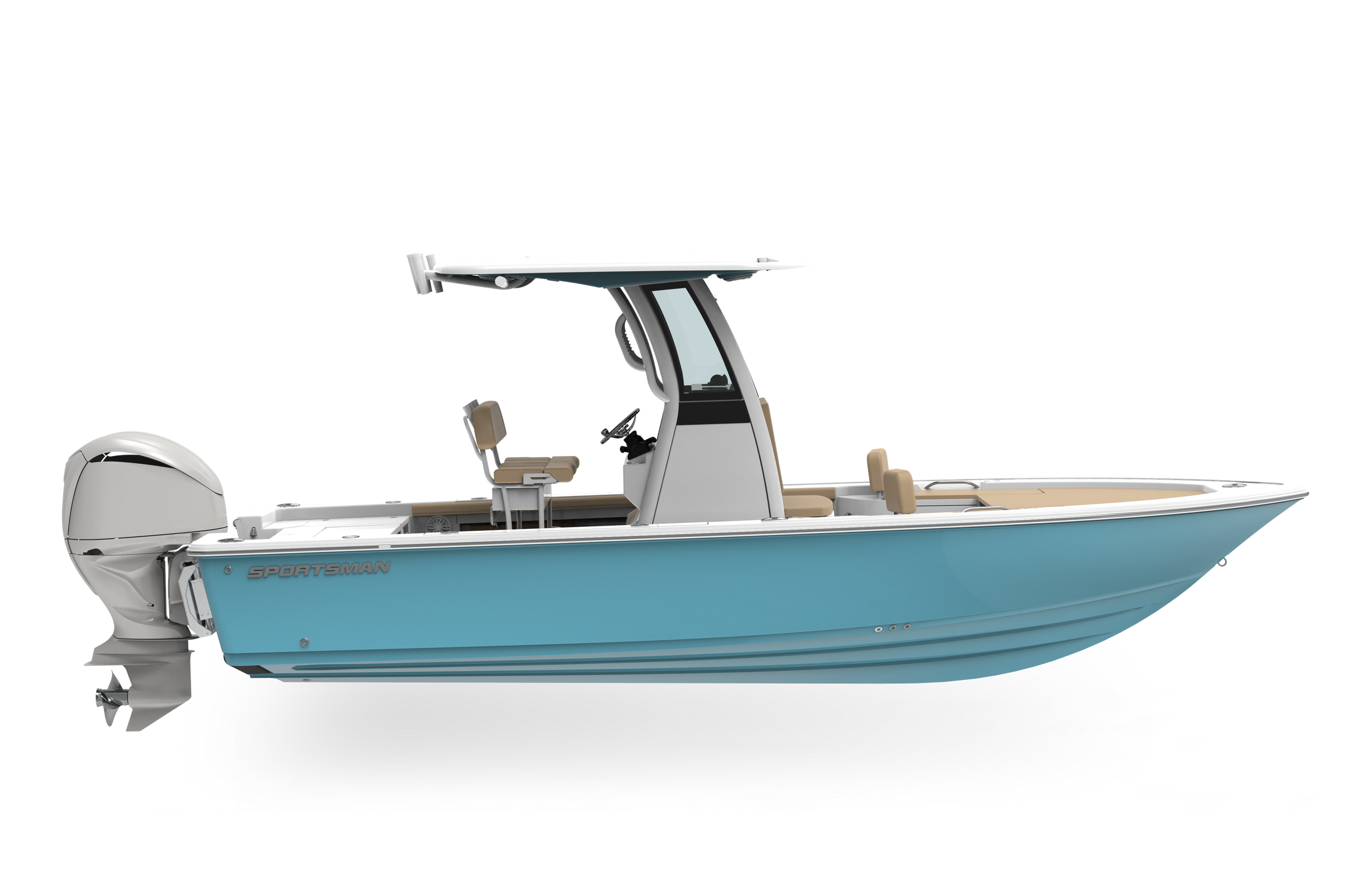
Use this comprehensive spring commissioning checklist to prepare your center console boat for the season, covering hull inspection, engine service, electrical systems, safety equipment, and essential shakedown steps to ensure reliable and safe boating all year long.

-
•Follow a center console specific pre run checklist covering hull, engine, electrical, livewell and safety gear to prevent surprises and costly repairs.
-
•Regular checks on the outboard and fuel system can prevent breakdowns and protect your investment.
-
•Keep helm electronics and safety equipment updated and well maintained for reliable navigation and peace of mind.
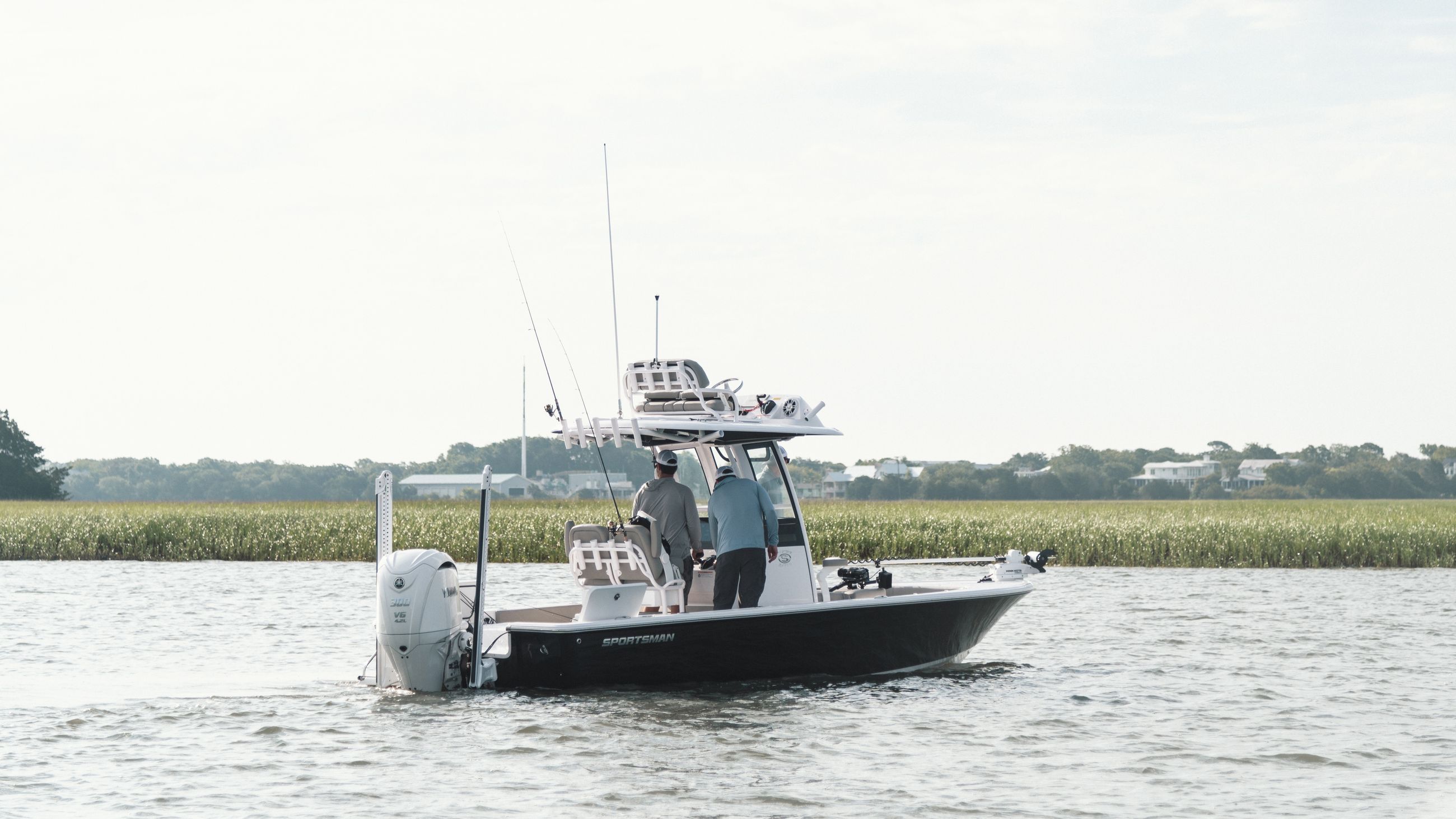
Spring is go-time for center console owners. Whether you’re chasing reds in the flats or heading offshore, getting your boat properly commissioned ensures performance, safety, and reliability all season long. Center consoles have unique systems, open decks, exposed hardware, and fishing-focused features, so your checklist should reflect that.
Here’s everything you need to do before your first run.
1. Hull, Deck, and Hardware Inspection
Center consoles take a beating from sun, salt, and spray.
• Inspect the hull for cracks, blisters, or damage
• Check the rub rail for separation or loose fasteners
• Walk the deck and feel for soft spots or loose fittings
• Tighten and inspect all hardware
• Examine hatches and seals and replace worn gaskets
2. Outboard Engine & Fuel System
• Change engine oil (4-stroke) and lower unit gear lube
• Replace fuel filters and water separators
• Inspect fuel lines for cracking or brittleness
• Check primer bulb firmness
• Inspect prop(s) for damage or fishing line
• Test trim and tilt function
• Verify proper water flow during engine operation
3. Battery & Electrical Systems
• Make sure all batteries are charged and maintained
• Clean terminals and apply corrosion protection
• Test battery switch and isolators
• Check navigation, anchor, and courtesy lights
• Inspect wiring under the console for corrosion or loose connections
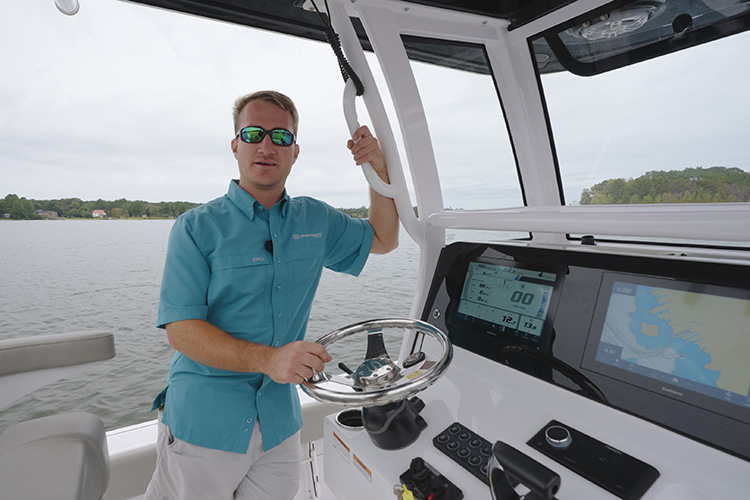
4. Helm & Electronics Check
Your helm is command central and everything should work flawlessly.
• Power up GPS and MFD units and update software if necessary
• Test depth finder, sonar, and transducer
• Check VHF radio and antenna operation
• Inspect switches and gauges
• Confirm compass accuracy
Reliable electronics are critical for both safety and navigation.
5. Livewell, Pumps & Plumbing
• Test livewell pumps and recirculation systems
• Check washdown pump (raw and/or freshwater)
• Inspect hoses, clamps, and fittings for leaks
• Clean livewells thoroughly to remove odors or buildup
6. Bilge System
Your bilge is your safety net.
• Test bilge pumps and float switches
• Clean debris from the bilge area
• Inspect discharge hoses
• Confirm automatic and manual operation
7. Safety Equipment
Stay compliant and prepared.
• Ensure enough life jackets for all passengers
• Check fire extinguishers are fully charged and not expired
• Replace expired flares
• Inspect horn and emergency signaling devices
• Restock first aid kit
8. Deck Prep & Fishing Gear Setup
• Clean and condition upholstery and bolsters
• Organize tackle storage and compartments
• Inspect rod holders and rocket launchers
• Check anchor, rode, and windlass (if equipped)
• Confirm coolers and fish boxes drain properly
9. Trailer Check (If Applicable)
If you trailer your boat, don’t skip this.
• Check tire pressure and tread condition
• Inspect and grease wheel bearings
• Test lights and wiring
• Inspect bunks or rollers and winch strap
• Check trailer brakes
10. Wash, Wax, and Protect
Your boat lives in the elements and protection matters.
• Wash and wax the hull and topsides
• Apply UV protectant to vinyl and plastics
• Polish stainless and aluminum
• Clean and protect isinglass or acrylic enclosures
11. Shakedown Run
Before heading offshore or loading up the family:
• Start engines and allow proper warm-up
• Check for alarms or irregular performance
• Test steering and throttle response
• Run all systems including livewell, electronics, and pumps
• Look for leaks or unusual vibrations
Final Thoughts
A properly commissioned boat isn’t just about maintenance, it’s about confidence. When everything is dialed in, you can focus on what matters: finding fish, exploring new water, and enjoying the ride.
Taking a few extra hours now can save you from lost trips, costly repairs, and frustration later in the season.
Related Posts
Today you have all the information you could ever need at your fingertips, but with all that information out there, where is the best source...
Read More