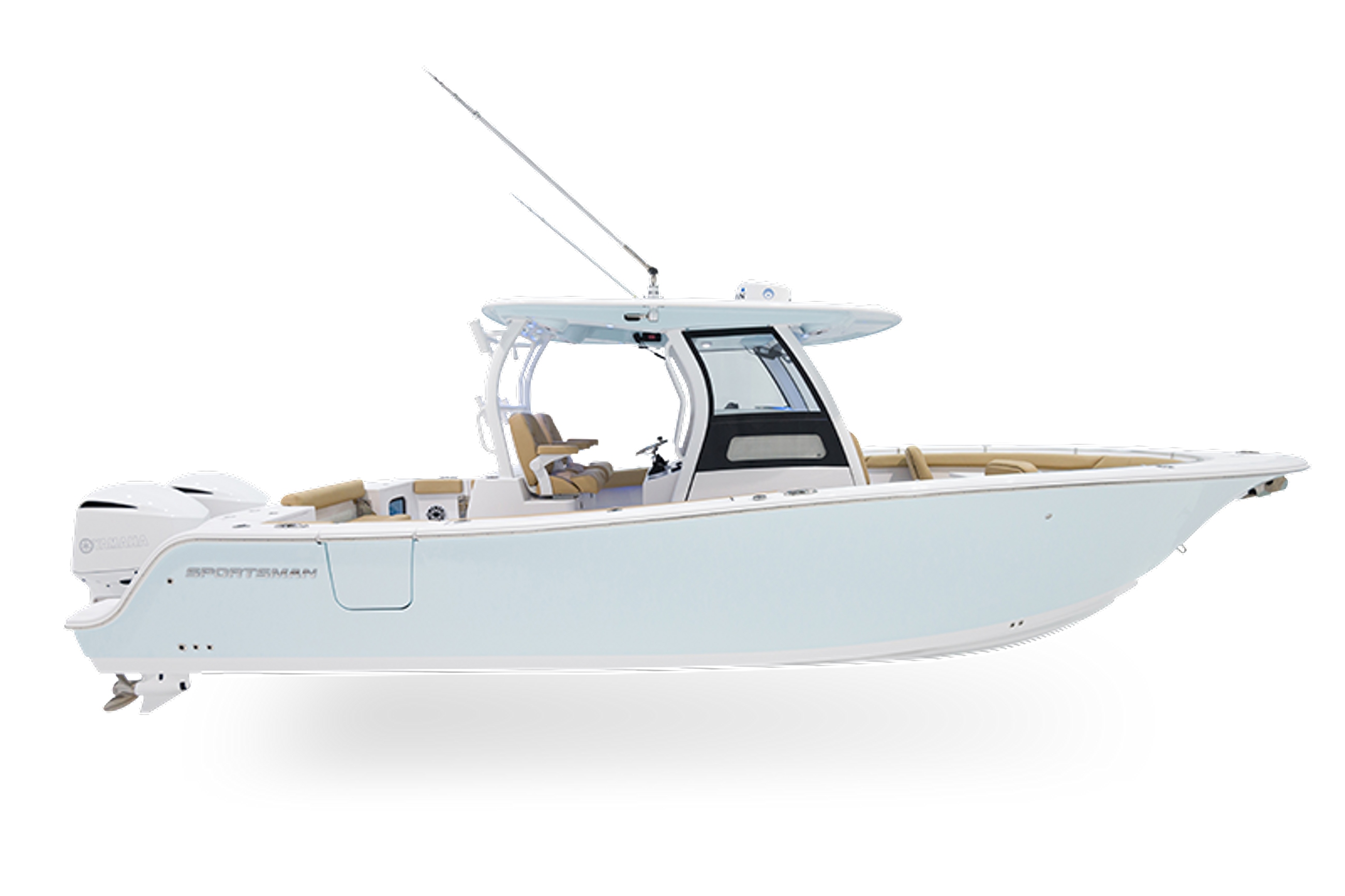
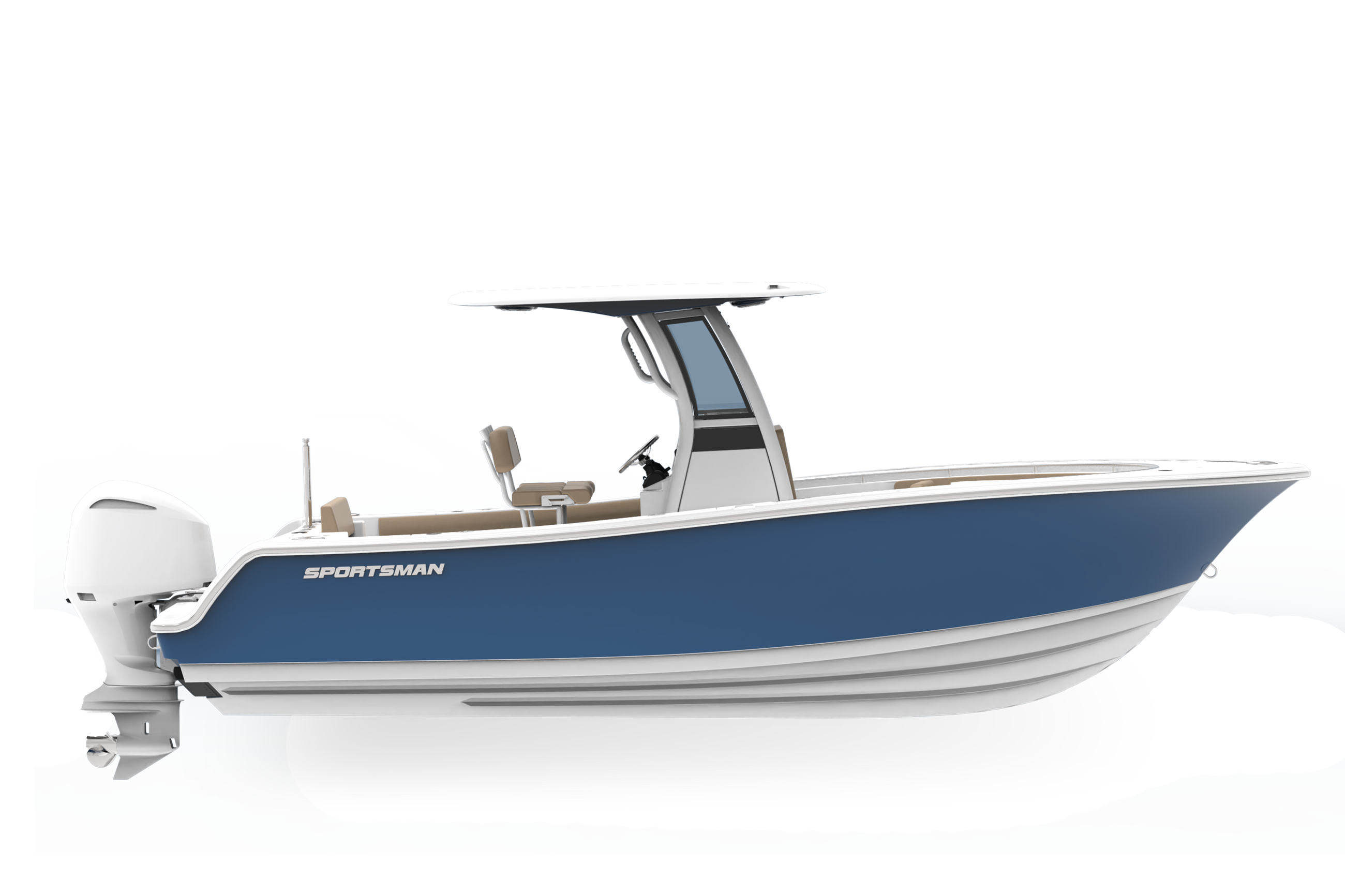
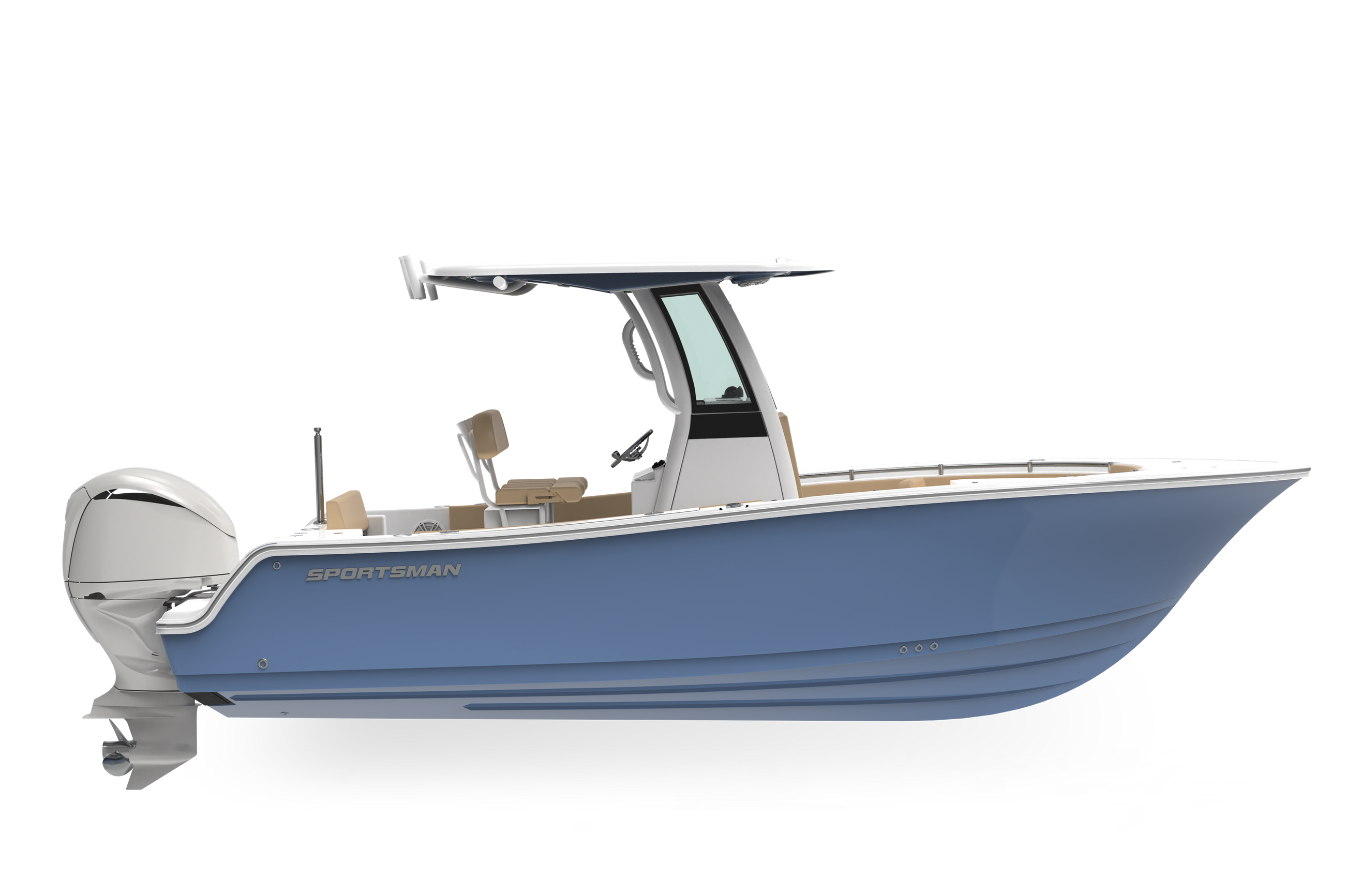
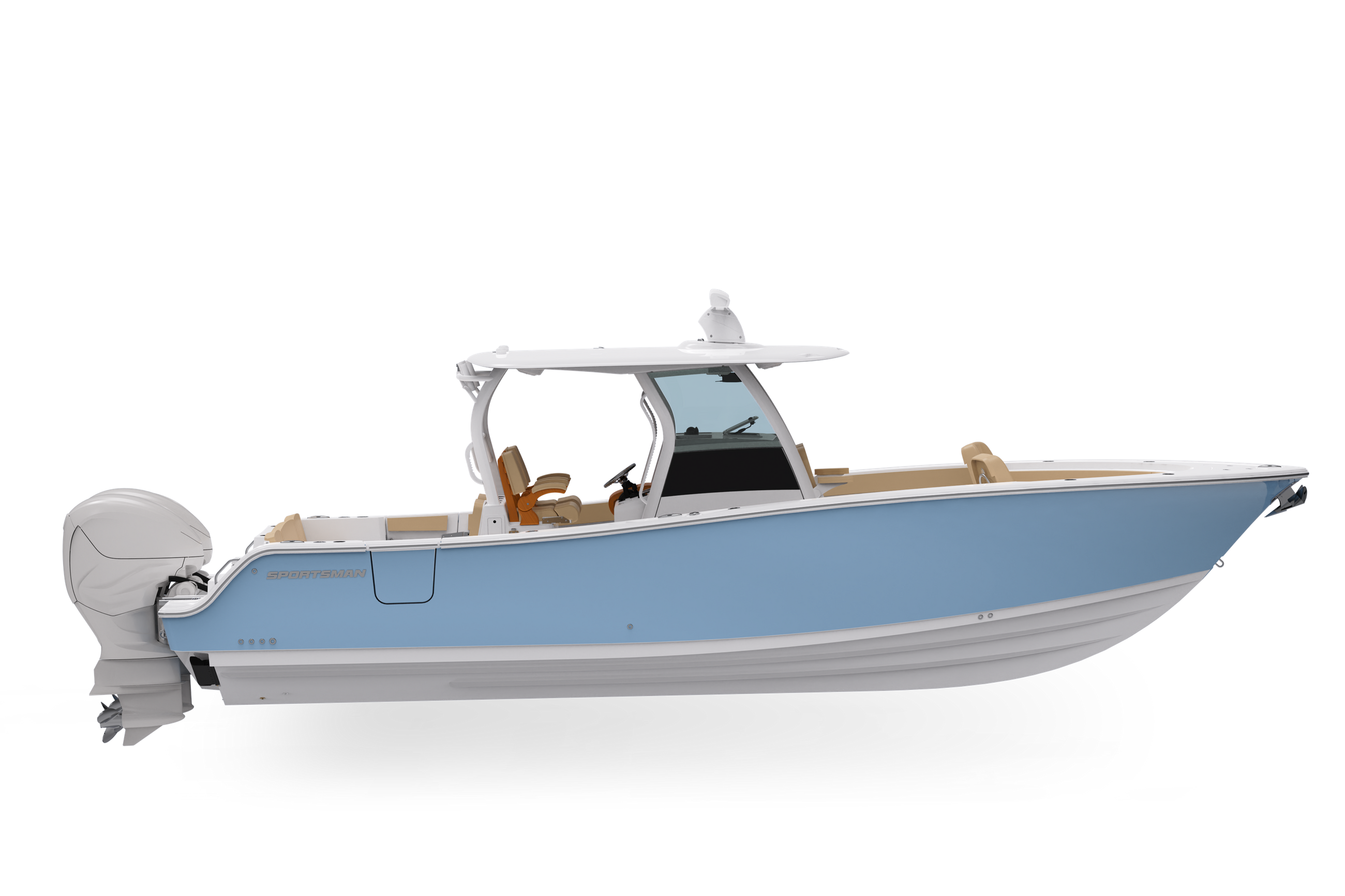
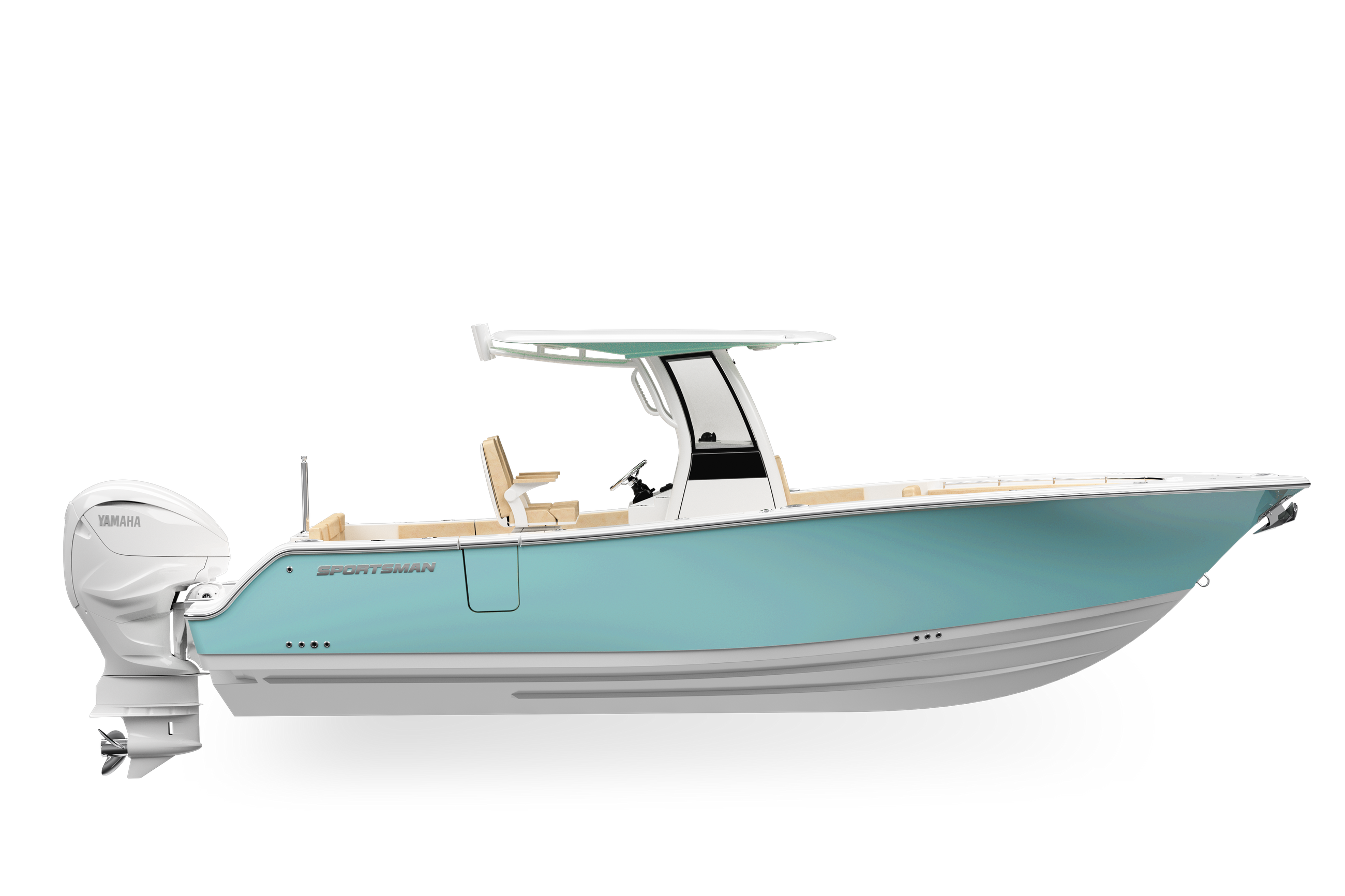
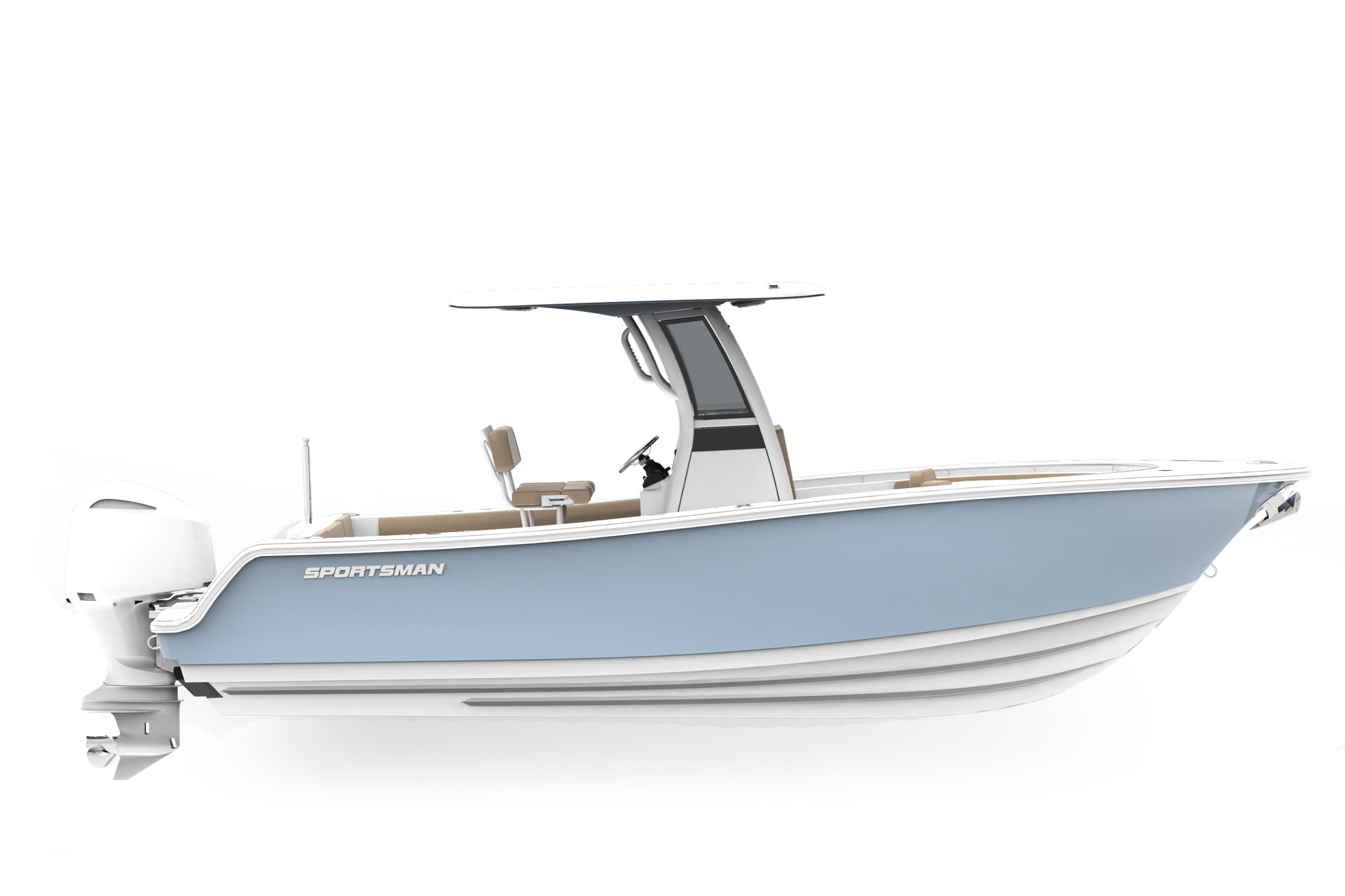
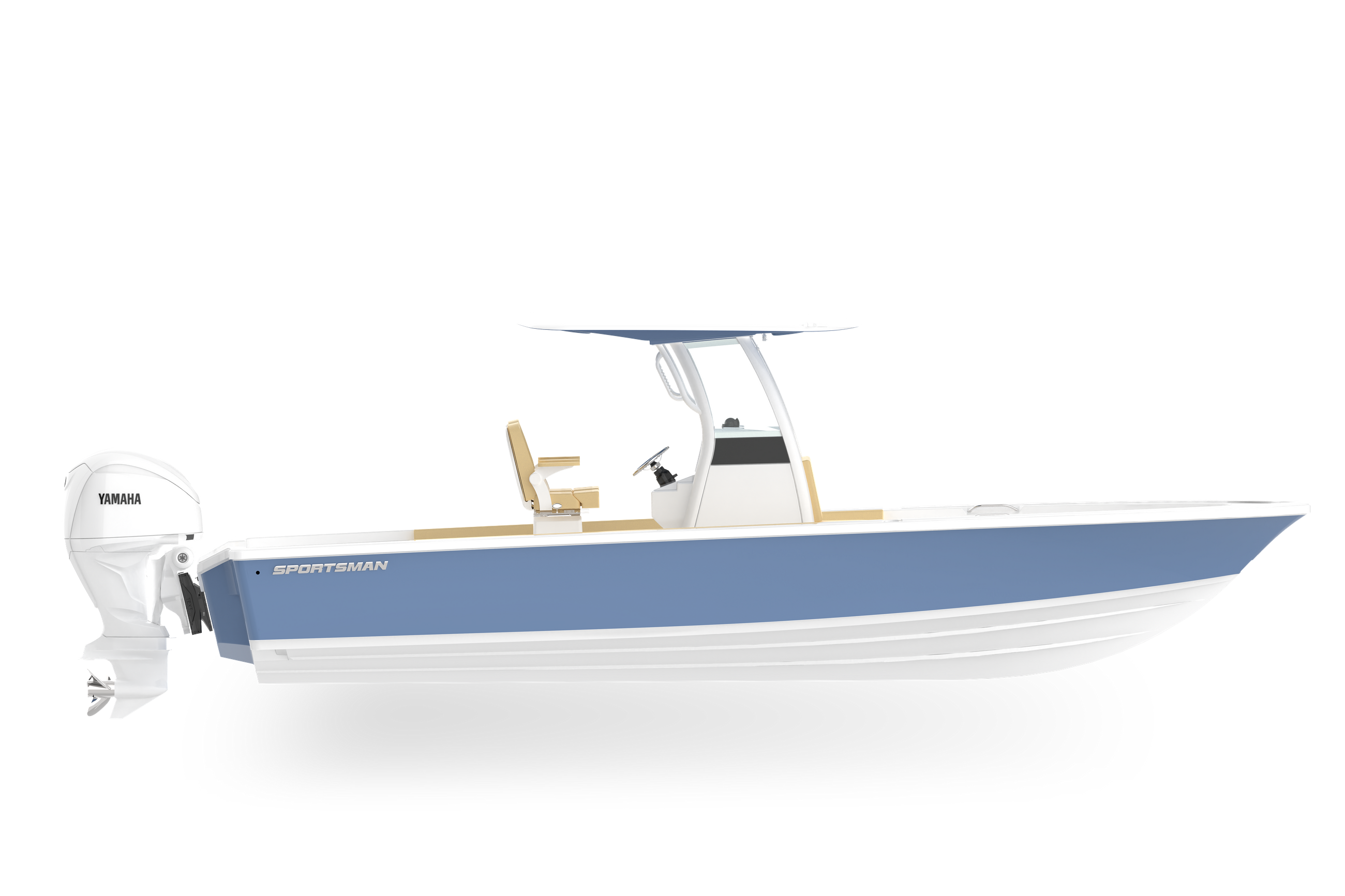
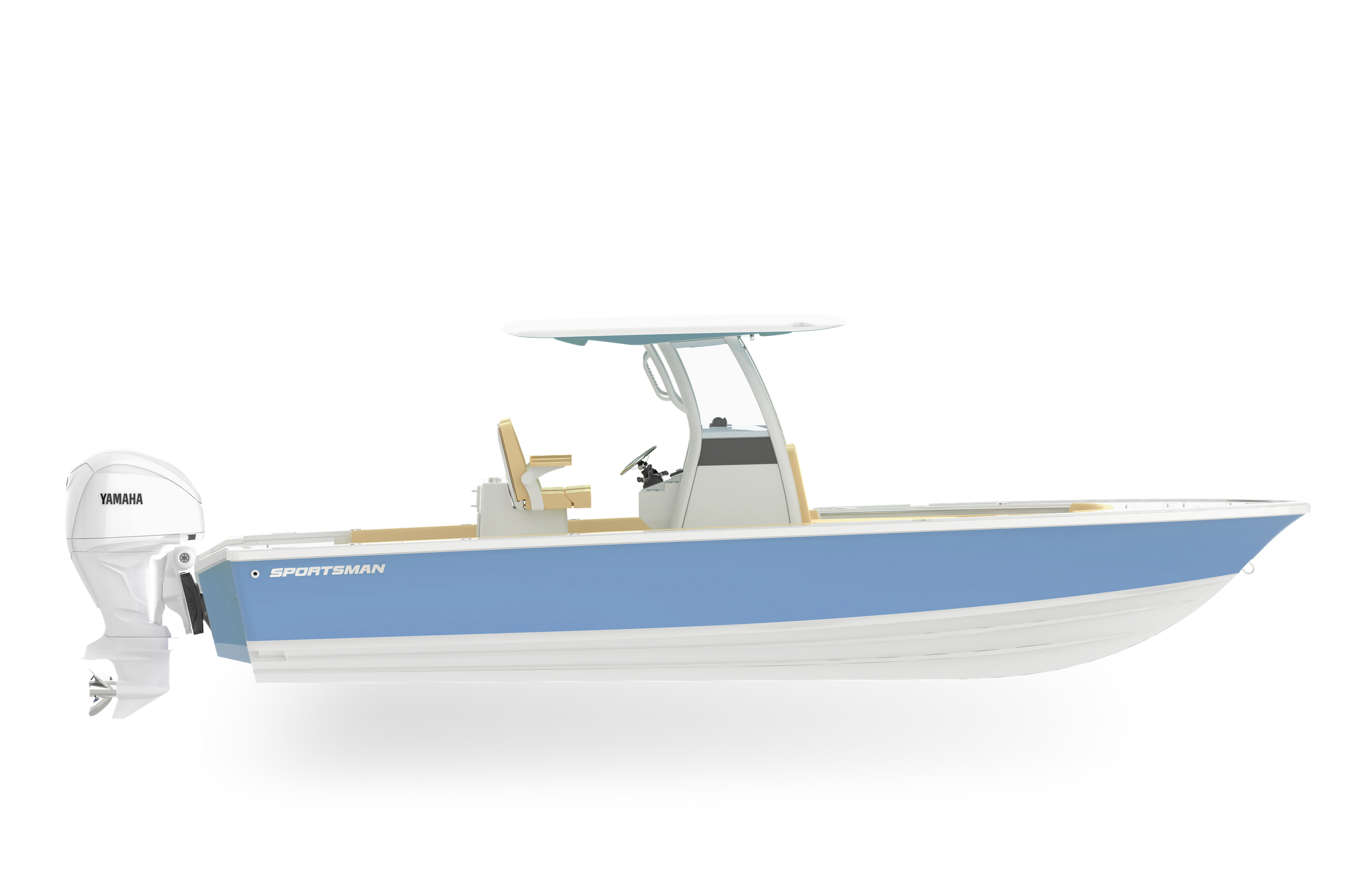
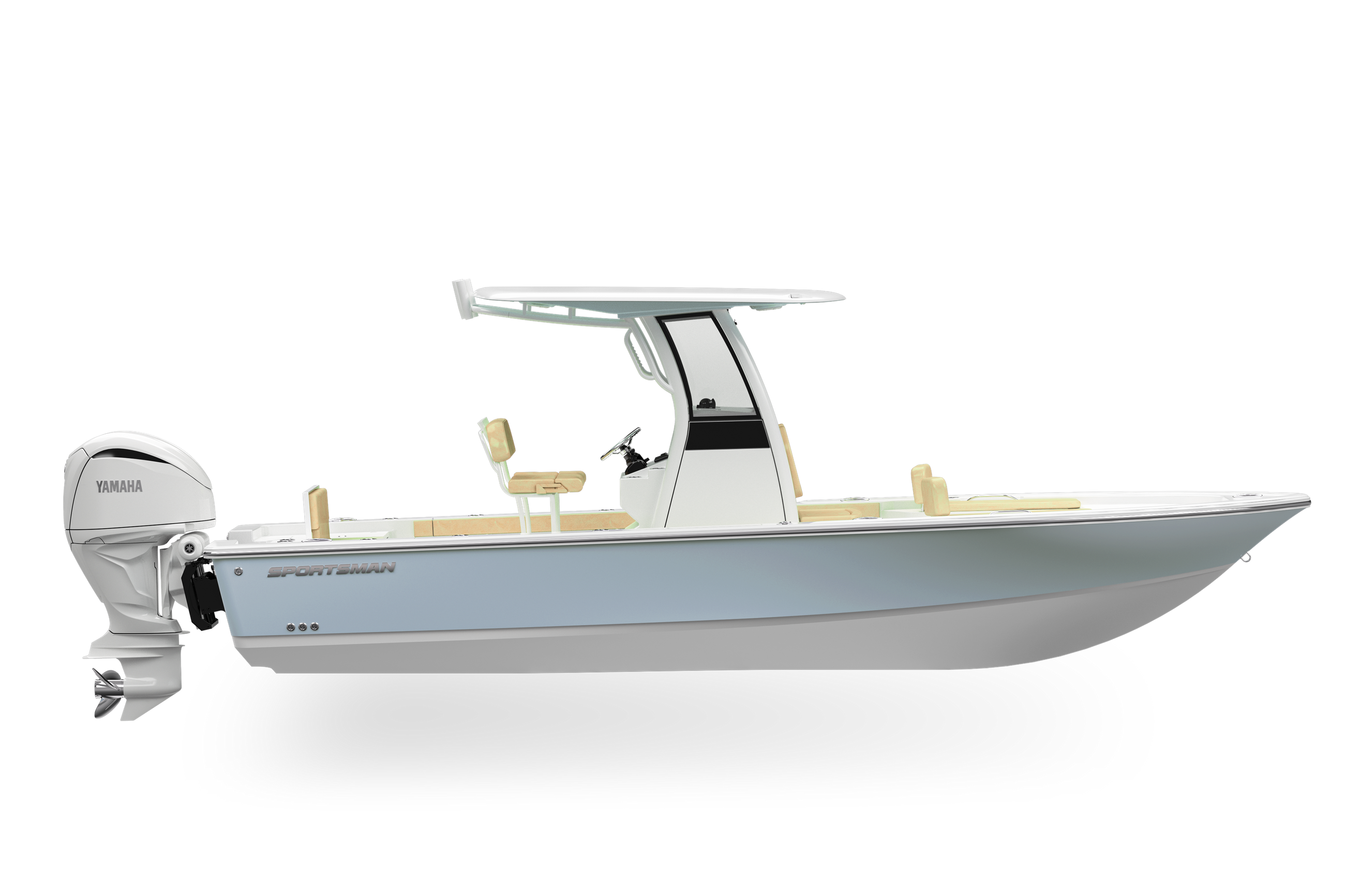
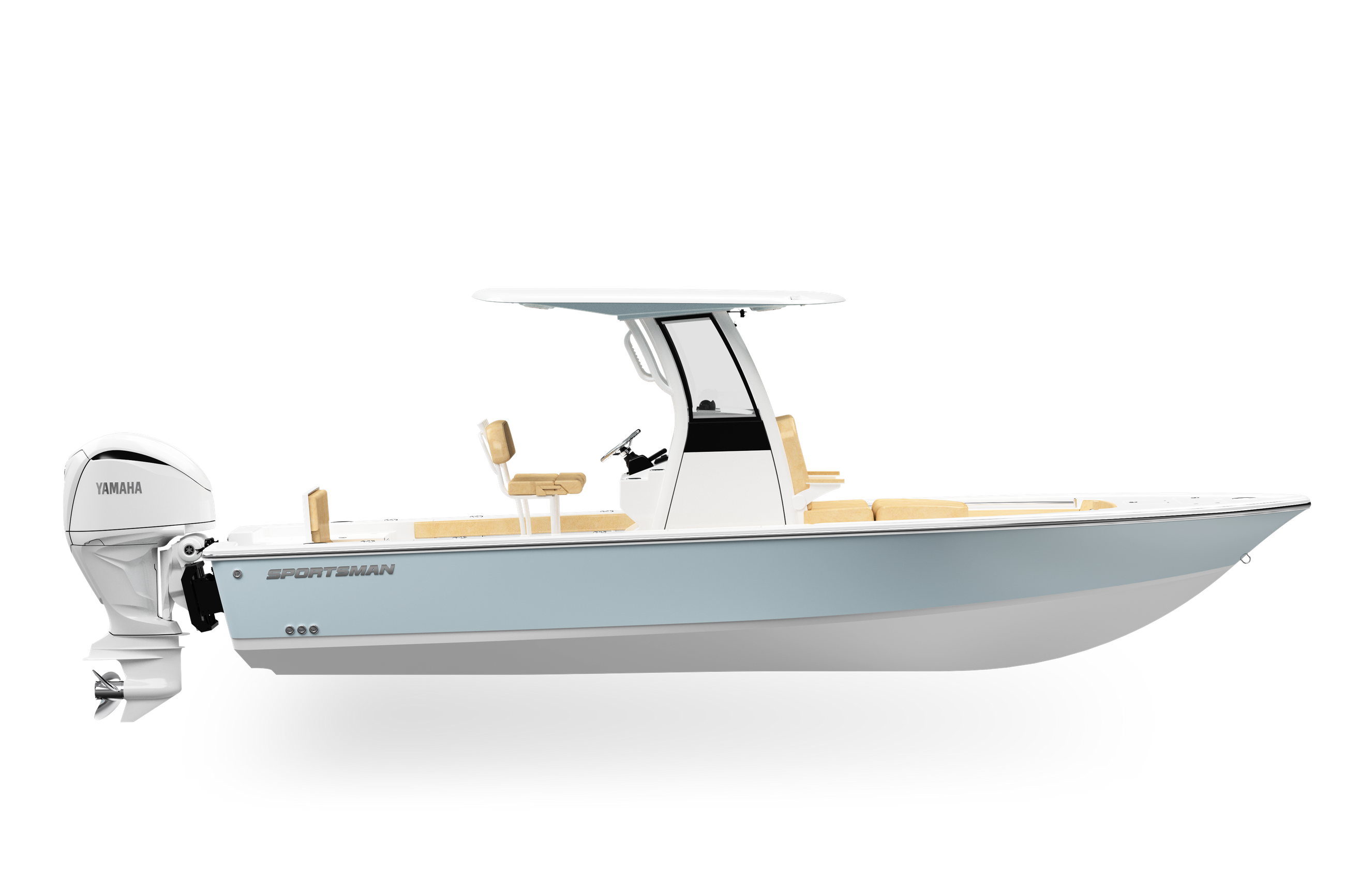
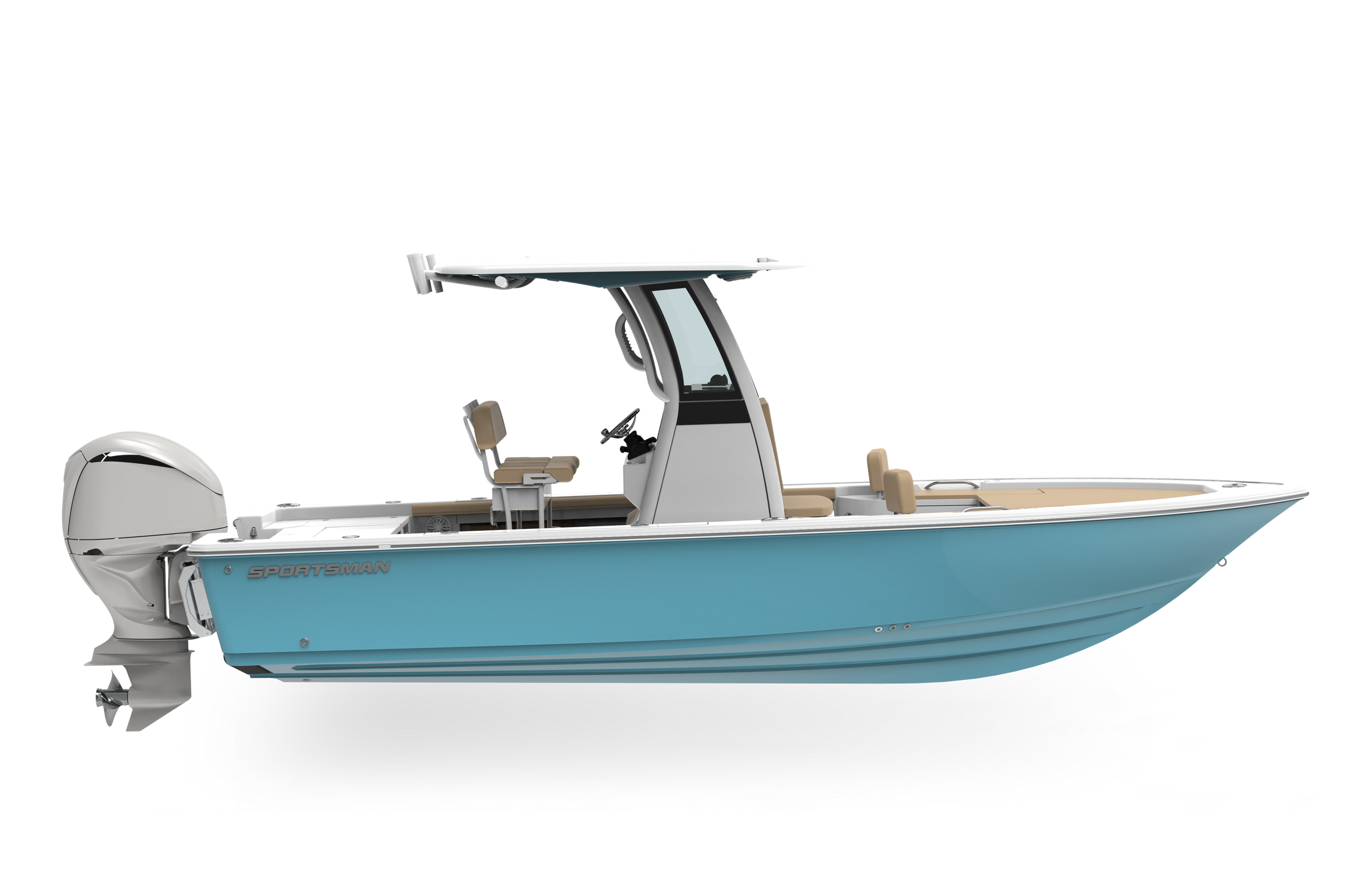
Preventative maintenance is the key to keeping your Sportsman Boat reliable, efficient, and ready for every adventure. From routine fluid checks to proper storage, these simple tips help protect your investment and reduce unexpected downtime. A little preparation goes a long way toward more confident and enjoyable days on the water.


-
•Maintain an approved maintenance schedule and keep a simple log to prevent downtime
-
•Regularly check fluids the fuel system and electrical components to catch issues early
-
•Inspect wear parts such as belts and hoses and keep the battery and charging system in top shape and store the boat properly
Owning a Sportsman Boat is about freedom, adventure, and time well spent on the water. Whether you’re fishing offshore, cruising with family, or exploring the backcountry, the best way to protect that experience and your investment is with consistent preventative maintenance. A little attention before problems arise can save you time, money, and frustration down the line.
Below are practical, easy-to-follow tips to help keep your boat running smoothly season after season.

1. Stick to an Approved Maintenance Schedule
Just like a vehicle, your boat performs best when it’s maintained on a routine schedule. Always follow recommended service intervals for your outboard, lower unit, and onboard systems. Keeping a simple maintenance log helps you track oil changes, filter replacements, and inspections so nothing is overlooked.
Tip: Schedule major services before peak boating season to avoid long waiting times at the service dock.
2. Check Fluids
Before you leave the driveway or dock, take a few minutes to inspect engine oil, hydraulic fluid, and other essential fluids. Low or dirty fluids can lead to overheating, poor performance, or long-term engine damage.
Look for milky oil, burnt smells, or visible leaks. These are early warning signs that should never be ignored.
3. Inspect the Fuel System
Fuel-related issues are one of the most common causes of breakdowns on the water. Regularly inspect fuel lines for cracks, bulges, or stiffness, and make sure all connections are tight.
If your boat sits for extended periods, use a marine-grade fuel stabilizer to help prevent fuel breakdown and ethanol-related issues. Replacing your fuel-water separator regularly is another simple step that can prevent major engine trouble.
4. Keep Your Batteries and Electrical System in Top Shape
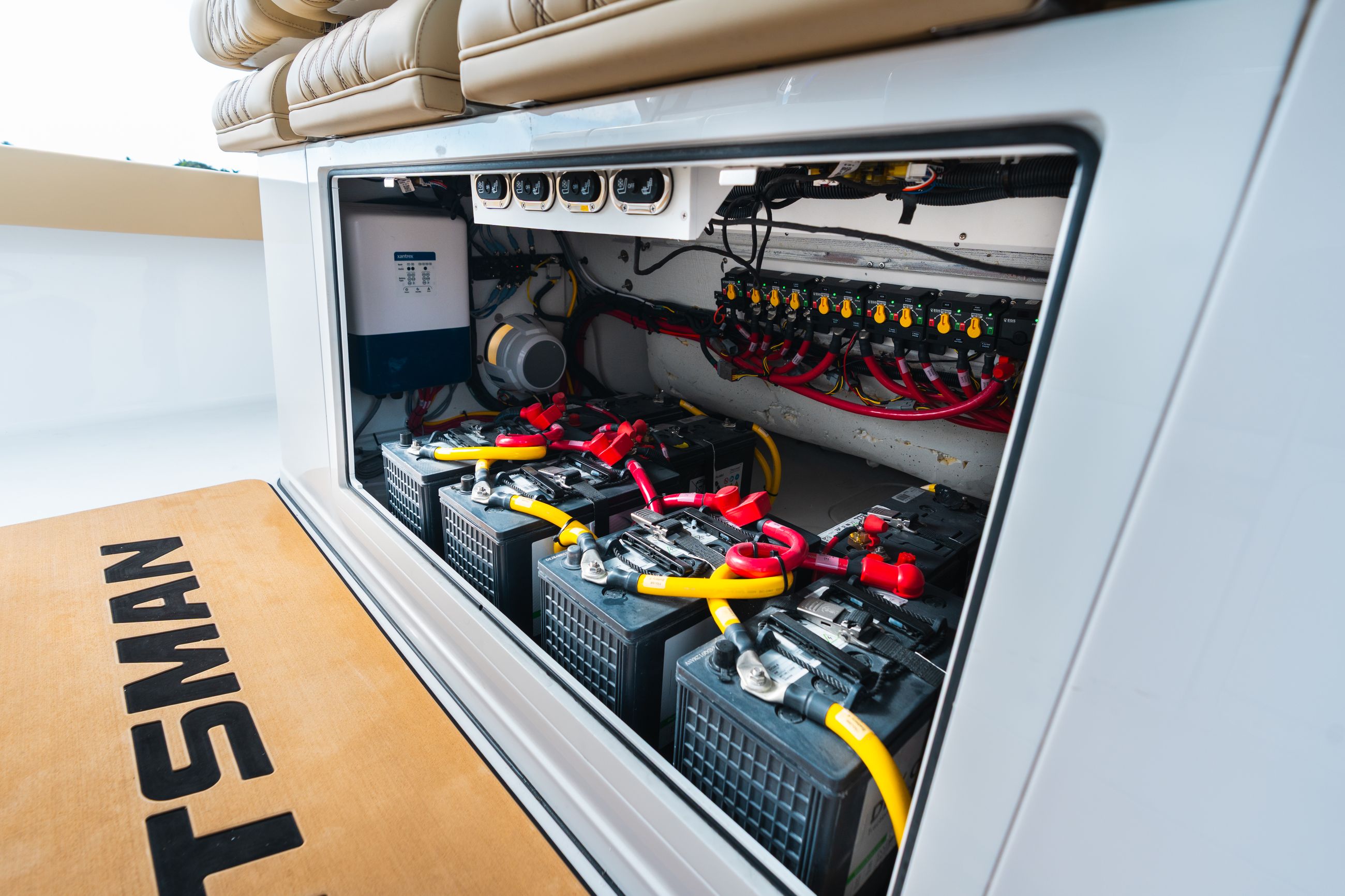
A weak battery can quickly ruin a day on the water. Inspect battery terminals for corrosion, ensure connections are secure, and keep batteries fully charged between trips, especially during the off-season.
If your boat has multiple batteries, test them periodically and replace any that show signs of declining performance. A quality onboard charger can extend battery life and add peace of mind.
5. Pay Attention to the Cooling System
Your engine relies on a steady flow of water to stay cool. Regularly inspect the water intake for debris and check that the telltale stream is strong and consistent when the engine is running.
Impellers wear over time and should be replaced according to manufacturer guidelines, or sooner if you notice overheating or reduced water flow.
6. Inspect Belts, Hoses, and Cables
Rubber components are often overlooked but are critical to reliability. Check belts for cracks or fraying, hoses for leaks or soft spots, and steering and throttle cables for smooth operation.
Catching wear early allows you to replace parts on your schedule, not during an unexpected breakdown.
7. Keep It Clean Inside and Out
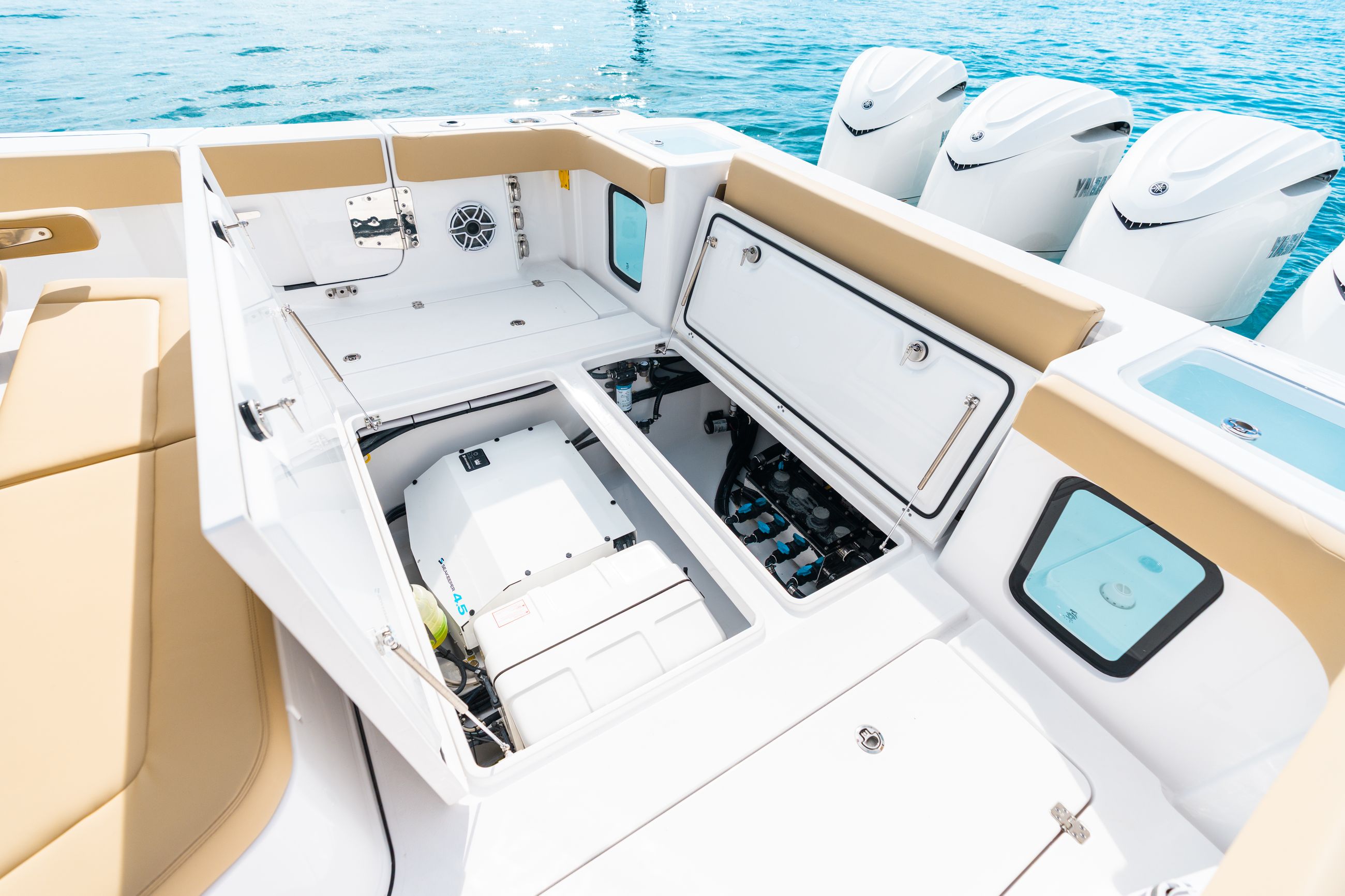
Regular cleaning isn’t just about appearance. Salt, grime, and moisture can accelerate corrosion and wear. Rinse your boat thoroughly after each trip, especially if you run in saltwater.
Inside the boat, keep bilges clean and dry. A clean bilge makes it easier to spot leaks and helps prevent odors and corrosion from developing.
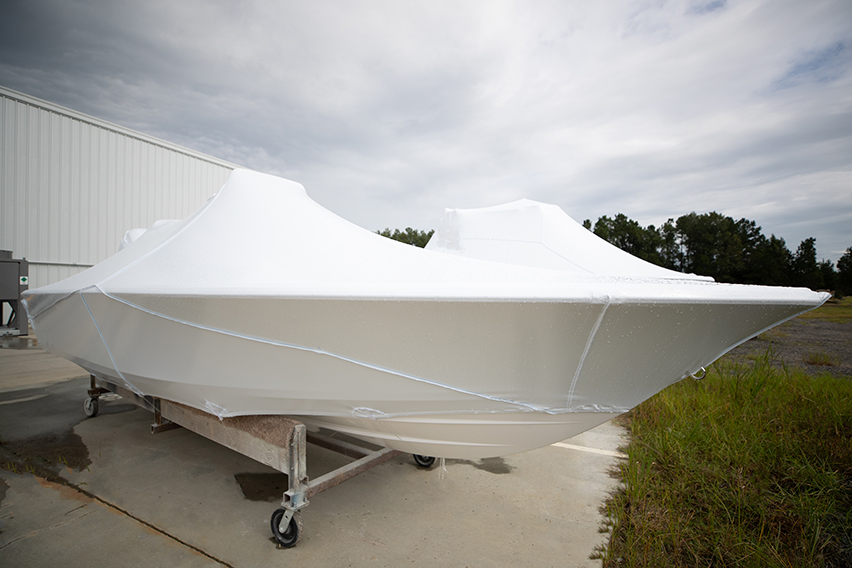
8. Protect Your Boat During Storage
Proper storage is a key part of preventative care. Whether your boat is stored on a lift, trailer, or in a marina, make sure it’s covered and protected from the elements to reduce UV damage and weather-related wear.
9. Don’t Ignore Small Issues
Unusual noises, warning lights, vibrations, or performance changes are your boat’s way of asking for attention. Addressing small issues early can prevent them from turning into costly repairs later.
When in doubt, consult a certified marine technician at your local dealer. Early diagnosis is almost always more affordable than major repairs.
Enjoy More Time on the Water with Your Sportsman Boat
Preventative maintenance doesn’t have to be complicated or time-consuming. By building a few simple checks into your routine, you’ll enjoy greater reliability, better performance, and more confidence every time you leave the dock.
A well-maintained Sportsman Boat means fewer surprises, greater confidence offshore, and more time doing what you love most: being on the water.
Related Posts

A practical guide for boaters on reading weather conditions before heading out. Learn why monitoring wind, waves, tides, and storms is criti...
Read More