Open
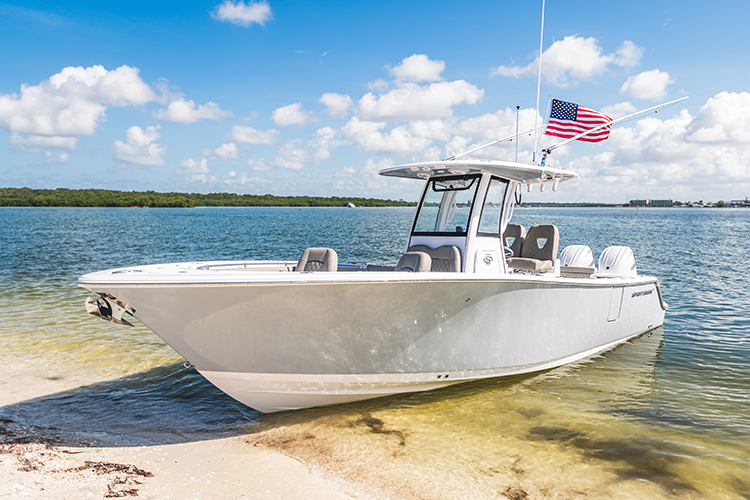
Built for families who want serious offshore capability,
premium comfort and the freedom to fish, cruise or entertain.
Open 402
NEW Open 352
NEW Open 322
NEW Open 302
Open 282
Open 262
Open 252
Open 232
Open 212
Heritage
A refined crossover lineup designed for coastal cruising, ample seating,
family days and some fishing when the moment calls for it.
NEW Heritage 321
Heritage 261
NEW Heritage 251
Heritage 231
Masters
Shallow-water performance, fishing-focused layouts and
everyday comfort built for family life and fishing.
Perfect blend of offshore capabilities with inshore conveniences.
NEW Masters 288
Shallow-draft bay boats built around casting space, livewells and skinny-water fishing.
Masters 267
Masters 267OE
Masters 247
Masters 247OE
Masters 227
This guide provides a step-by-step approach to properly winterizing your boat, ensuring it remains in top condition for the next boating season. It covers key areas such as the freshwater system, fuel system, and final touches for comprehensive protection.
-
•Proper winterization protects your boat from freezing damage and helps prevent costly repairs by treating freshwater, raw water and fuel systems before storage
-
•Use winter grade antifreeze throughout the plumbing, drain tanks and run the engine to circulate the mix so all lines and fittings stay protected
-
•Finish with a thorough inspection and cover to protect against moisture during storage and consider EFI winter mix for a simpler option
As the boating season comes to an end, it's crucial to ensure your vessel is winterized correctly. This not only preserves the integrity of your boat but also prepares it for a smooth start come spring. Here's a detailed approach to winterizing your boat, focusing on the steps you mentioned and adding a few tips for completeness.
1. Freshwater System
Start with the freshwater system to prevent any freezing damage.
- Drain the Freshwater Tank: Completely empty the tank to remove any remaining water.
- Antifreeze Application: Fill the tank with winter-grade antifreeze. Pump this through all fittings, including washdowns, sinks, and showers. Make sure to run the taps until you see antifreeze coming through.
- Additional Drainage: Pour antifreeze down any drains and through hoses to protect against freezing.
2. Raw Water System
For the raw water systems, take the following steps:
- Disconnect the Hose: Detach the hose at the raw water pump.
- Flush with Antifreeze: Fill the system with antifreeze to ensure the livewells and washdowns are properly winterized.
- Check All Compartments: Pour antifreeze down any other potential drainage points to ensure complete protection.
3. Fuel System Preparation
Your approach to preparing the fuel system is excellent. Here's a streamlined version:
- Mixing the Fuel: In a portable tank, combine 3 gallons of gas with 1 pint of 2-stroke oil and 1/2 oz of Stabil 360. This will provide a good mixture to keep the engine lubricated and prevent fuel deterioration.
- Spray the Powerhead: Use CRC 656 to protect the powerhead and lubricate any moving parts with white lithium grease. Don't forget to grease all zerk fittings.
- Oil Change: Change the motor oil and gear oil to ensure all contaminants are removed.
- Prop Maintenance: Remove the prop, grease the shaft, check for fishing line, and re-install it securely. This step helps prevent corrosion and ensures smooth operation when it’s time to launch again.
- Fuel Filters: Replace all fuel filters to maintain optimal performance.
4. Running the Engine
To ensure the fuel mixture circulates through the engine:
- Connect the Fuel Mixture: Attach the mixture at the primer bulb or the water separator filter.
- Run the Engine: Start the motor and let it run until you can smell the mixture and see minor smoke. This indicates the mixture is circulating through the system. Once done, shut the engine off.
5. Alternative Options
If you prefer a pre-mixed solution, Yamaha does offer a convenient EFI winter mix. This can be directly added to the water separator, which simplifies the
6. Final Touches
- Inspect and Clean: After all winterization steps are complete, do a final inspection of the boat's exterior and interior. Clean out any remaining debris and check for any areas that may need repair.
- Covering the Boat: Invest in a good-quality cover to protect against the elements during storage. Ensure it fits snugly to prevent moisture build-up.
Taking the time to winterize your boat properly will help you avoid costly repairs and ensure a smooth re-entry into the water when the season changes. By following these steps and maintaining your boat’s systems, you'll be ready for many more adventures on the water. Happy winterizing!