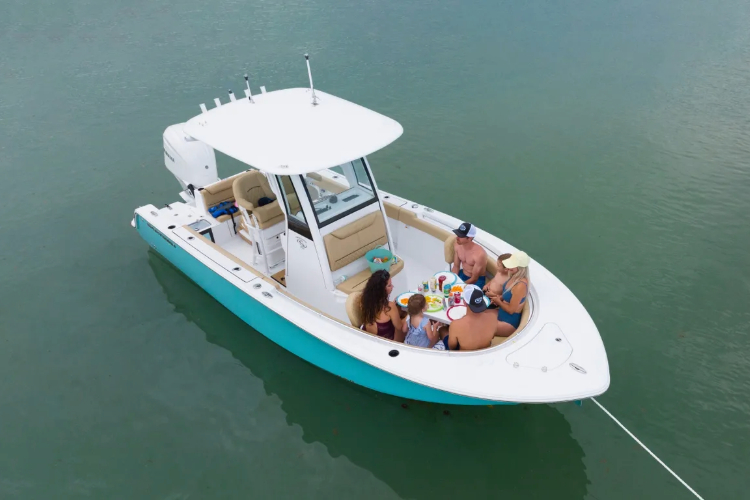
Open
Built for families who want serious offshore capability,
premium comfort and the freedom to fish, cruise or entertain.
Open 402
NEW Open 352
NEW Open 322
NEW Open 302
Open 282
Open 262
Open 252
Open 232
Open 212
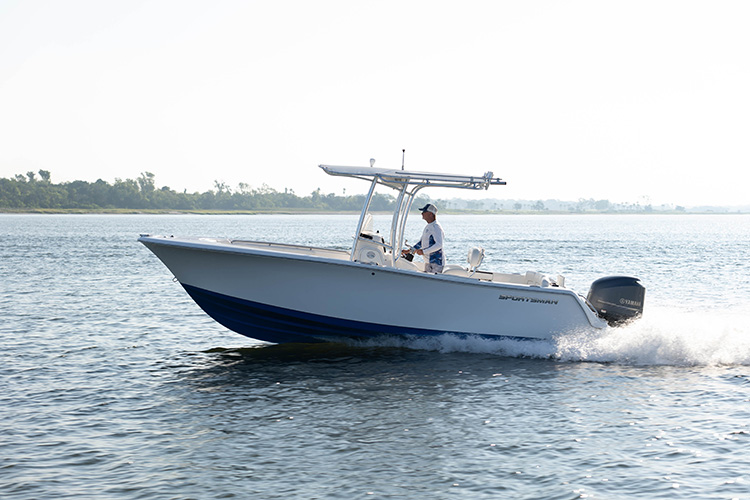
Heritage
A refined crossover lineup designed for coastal cruising, ample seating,
family days and some fishing when the moment calls for it.
NEW Heritage 321
Heritage 261
NEW Heritage 251
Heritage 231
Masters
Shallow-water performance, fishing-focused layouts and
everyday comfort built for family life and fishing.
Perfect blend of offshore capabilities with inshore conveniences.
NEW Masters 288
Shallow-draft bay boats built around casting space, livewells and skinny-water fishing.
Masters 267
Masters 267OE
Masters 247
Masters 247OE
Masters 227
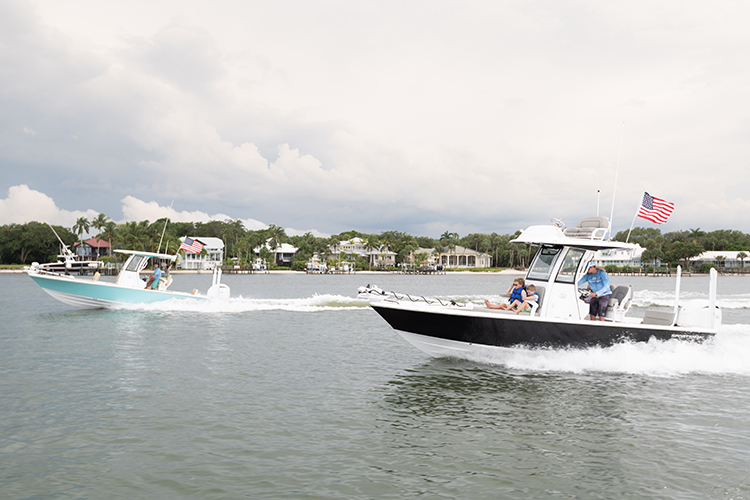
Effective maritime communication is crucial for safe navigation, and sound signals serve as a universal language among seafarers. Explore the essential sound signals outlined by the International Regulations for Preventing Collisions at Sea (COLREGs), emphasizing their importance in avoiding collisions and ensuring harmonious navigation in various conditions.

-
•Know and apply COLREGs sound signals to communicate intentions and warnings, especially in fog or low visibility.
-
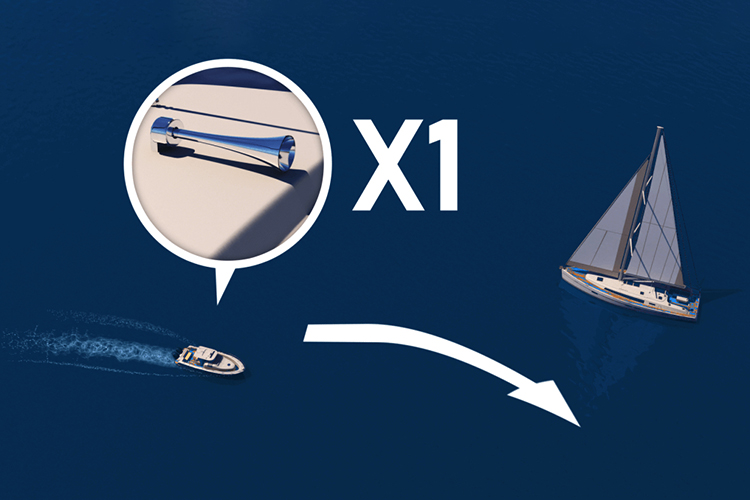
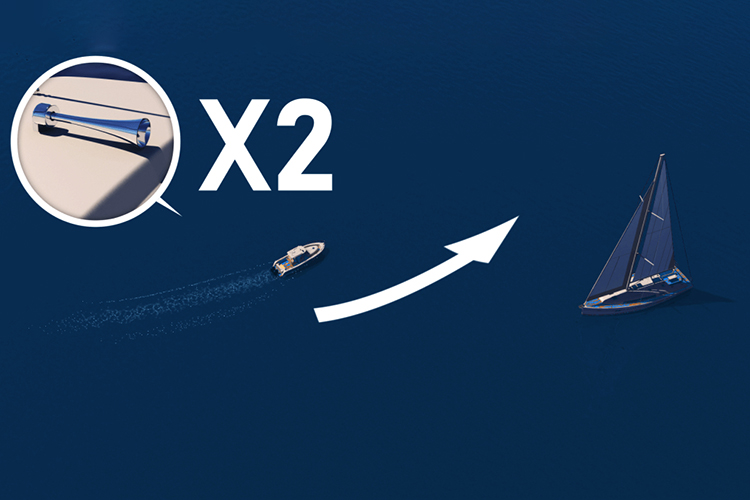
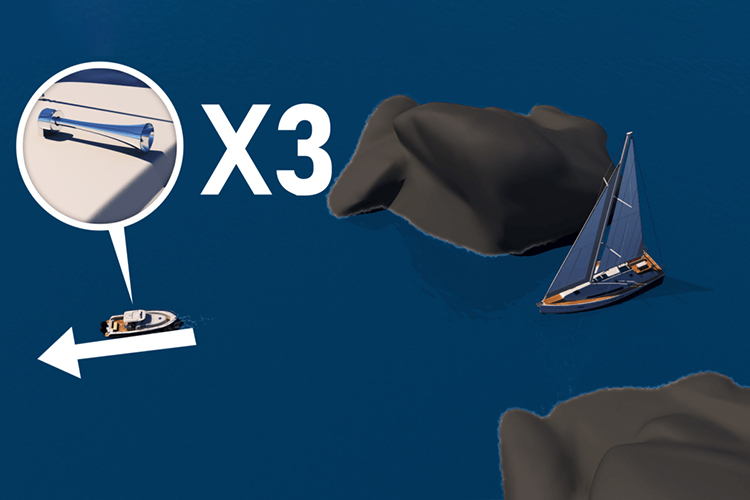
•Know the core blast patterns: 1 short blast for port side; 2 short blasts for starboard side; 3 short blasts for propulsion astern; and one prolonged blast for restricted visibility.
-
•In restricted visibility maintain a proper lookout and use timely blasts to alert other vessels and avoid collisions.
Navigating the waters isn't just about steering your vessel; it's also about effective communication with other boats to ensure a safe journey. Among the various tools for maritime communication, sound signals stand out as a universal language understood by all seafarers. These signals are governed by strict rules outlined in the International Regulations for Preventing Collisions at Sea (COLREGs), ensuring standardized communication on the open waters.
Understanding Sound Signals
In the realm of maritime law, sound signals are indispensable for signaling intentions, maneuvers, and warnings. Whether in clear visibility or reduced conditions like fog, these signals convey critical information that helps vessels navigate and avoid collisions effectively.
Essential Sound Signals
1. Meeting Head-on: When two power-driven vessels approach head-on, a single short blast from each vessel signifies their intention to pass each other on the port side (left).
2. Crossing Situation: In situations where vessels are crossing paths and need to determine right of way, two short blasts communicate the intent to leave the other vessel on the starboard side (right).
3. Overtaking: An overtaking vessel signals its intention with two short blasts, alerting the vessel ahead that it plans to pass.
4. Restricted Visibility: During reduced visibility conditions such as fog, vessels emit sound signals to announce their presence. A power-driven vessel sounds one prolonged blast at intervals not exceeding two minutes. Vessels not under command or sailing vessels emit specific sequences of blasts to indicate their status.
Rules of the Road - Maneuvering and Warning Signals (Rule 34)
The USCG Rules of the Road specify additional sound signals for various maneuvers and warnings:
• 1 short blast: Signals "I intend to leave you on my port side."
• Two short blasts: Communicates "I intend to leave you on my starboard side."
• Three short blasts: Indicates propulsion astern.
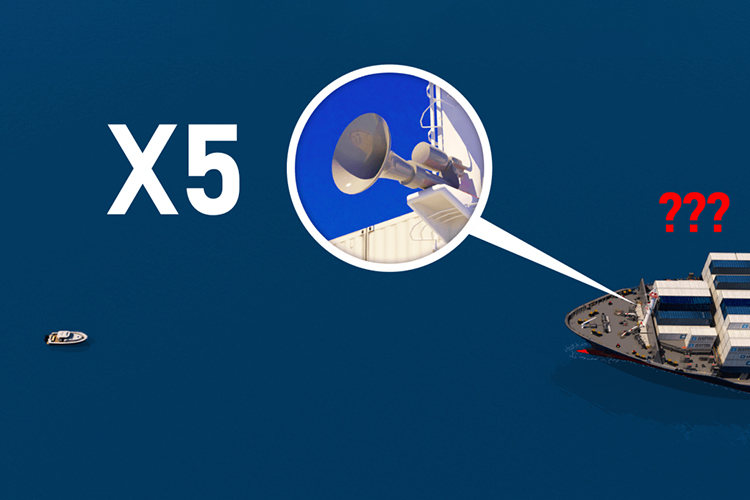
• Five short blasts: Warns of danger or signifies uncertainty.
• One prolonged blast: Used as an obstructed visual signal, typically near blind bends or when departing from a dock.
• One prolonged blast every two minutes: A restricted visibility signal, crucial in foggy conditions to alert nearby vessels.
Conclusion: Communication for Safe Navigation
Effective communication through sound signals is fundamental to safe boat navigation. By adhering to the rules and guidelines set forth in the COLREGs, mariners contribute to a secure maritime environment where vessels can navigate harmoniously. Clear and timely communication through sound signals, combined with vigilant lookout practices, plays a pivotal role in preventing collisions and ensuring a smooth sailing experience for all seafarers.
In essence, understanding and using sound signals correctly is not just a legal requirement but a critical skill that enhances maritime safety and fosters cooperation among vessels at sea. Mastering these signals ensures that every voyage is conducted with the utmost care and consideration for others sharing the waterways.
Now that you are a little more aware, get out on the water and have a safe funtime.